


More news on this day
Tanzania is moving to modernize passenger rail with new digital ticketing and tracking tools, aligning its network with wider African initiatives aimed at making cross-border rail journeys easier for tourists and regional travelers.
Get the latest news straight to your inbox!
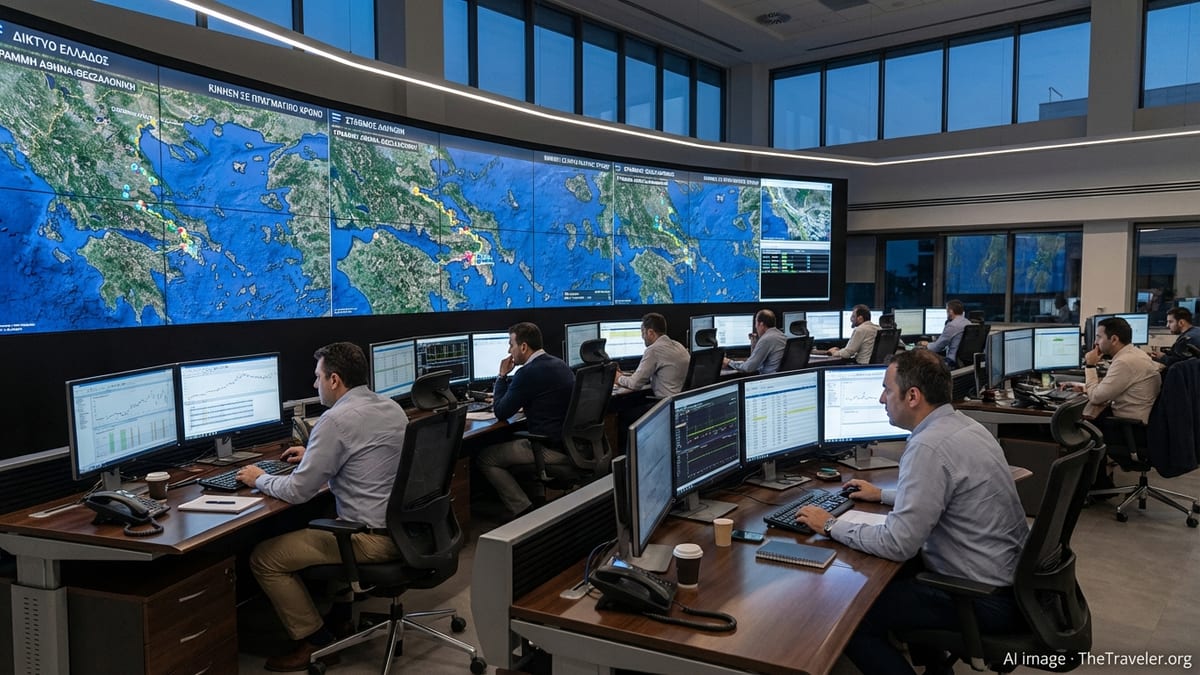
Digital Rail Tracking Emerges as a Tourism Enabler
Publicly available information shows that Tanzania is positioning rail technology upgrades as part of a broader effort to attract more regional visitors and long-distance tourists. The country’s growing standard gauge railway network and long-established Tanzania Zambia Railway Authority corridor are seen as key platforms for improving cross-border mobility and offering an alternative to road and air travel for holidaymakers.
Regional studies on African rail infrastructure indicate that more than 90 percent of passengers in East Africa still travel by road, largely because many rail lines remain slow or poorly connected. Modern ticketing, real-time tracking and integrated booking platforms are increasingly viewed as tools that can shift demand toward rail by giving travelers better visibility of schedules, fares and service reliability across borders.
In this context, tourism planners in southern and eastern Africa are paying closer attention to rail transport as they promote multi-country itineraries that link coastal cities, wildlife reserves and cultural sites. Cross-border routes from Tanzania toward Zambia and, indirectly, Malawi are frequently highlighted in transport master plans as strategic corridors for future tourism growth.
Tanzania Rolls Out E-Ticketing and Passenger Apps
Tanzania’s rail modernization agenda now includes several digital interfaces aimed at streamlining journeys for passengers. The Tanzania Railways Corporation operates an online ticketing portal that allows users to search for routes, select trains and purchase tickets in advance, reducing the need to queue at stations and making it easier for international visitors to plan legs of their trip before arrival.
In parallel, a mobile application branded for standard gauge services has been introduced through major app stores. According to platform listings, the app enables travelers to search for services, book seats and store journey details on their phones, while also outlining the data collection practices that apply to registered users. These tools are designed to support smoother boarding, more predictable seat availability and improved access to information in both Swahili and English.
Alongside the national operator’s systems, Tanzania’s land transport regulator offers a core e-ticketing platform that is being used to digitize ticket purchases across selected transport modes. While initially focused on road services, the system reflects an overarching shift toward digital payments and electronic receipts, which could ultimately support more seamless multimodal journeys combining buses, urban rail and intercity trains.
TAZARA Corridor Reorganizes Cross-Border Passenger Services
The Tanzania Zambia Railway Authority, which runs the historic line between Dar es Salaam and Kapiri Mposhi in Zambia, has recently reorganized its passenger operations to restore regular cross-border services. Official notices from the operator describe the move as a resumption of trains running between the two countries, with the intention of strengthening regional trade, tourism and social connectivity along the corridor.
The line, also known as the Uhuru or Tanzam Railway, has long been recognized as a crucial link between the Tanzanian coast and southern Africa. Rail references compiled by regional institutions note that the route spans approximately 1,860 kilometers and intersects with highway networks and other rail lines that can connect travelers onward to destinations in Zambia and beyond. This positions the corridor as a potential backbone for overland tourism packages that combine city visits, national parks and heritage attractions.
Current restructuring efforts by TAZARA are being viewed against a wider backdrop of multinational collaboration. In a trilateral statement issued in 2025, Tanzania, Zambia and China outlined a shared ambition to build a "TAZARA Railway Prosperity Belt," highlighting prospects for industrial parks, logistics hubs and tourism services along the route. Observers see real-time train information, better customer communication and integrated ticketing as important elements if the corridor is to appeal to leisure travelers as well as freight customers.
Regional Master Plans Target Integrated, Tourist-Friendly Rail
Tanzania’s initiatives fit into broader regional blueprints for rail integration across East and southern Africa. The East African Railway Master Plan, developed under the auspices of the East African Community, proposes upgrading and extending networks in Tanzania, Kenya, Uganda, Rwanda and Burundi. Updated appraisals from development banks describe the Tanzanian section as a priority for connecting landlocked neighbors including Burundi, Malawi, Rwanda, Uganda and Zambia to the port of Dar es Salaam.
Project documents linked to the master plan emphasize that rejuvenated lines are expected not only to move freight more efficiently but also to provide faster and more comfortable passenger services. The vision is to offer interconnected routes where travelers can transfer between standard gauge and meter gauge lines with clear ticketing paths, simplified customs procedures and consistent service information across borders.
Further south, national tourism strategies in countries such as Zambia point to cross-border rail and road linkages as vital to developing regional circuits. Policy papers on tourism cooperation between Zambia and Malawi, for example, reference the importance of joint destination marketing and cross-border products, which depend on reliable transport connections. While much of the current focus is on roads and air, analysts argue that well-managed rail corridors, particularly those enhanced with digital tracking and e-ticketing, could add distinctive, scenic options for visitors.
Continental Agendas Push for Seamless Cross-Border Mobility
At continental level, African Union transport frameworks and flagship projects under Agenda 2063 call for smarter connectivity between capitals and key commercial centers. The African Integrated High-Speed Rail Network concept promotes the use of emerging technologies and digital infrastructure to make long-distance rail more efficient, safer and easier for citizens and tourists to use. Policy papers stress the role of data protection and online safety as digital platforms become central to how people move.
In aviation, the Single African Air Transport Market is advancing liberalization and digital coordination among airlines to improve intra-African connectivity. Regional aviation bodies have reported on pilot implementation projects and monitoring meetings that prioritize information and communication technology solutions to expand city-pair links and streamline travel. Transport specialists often describe the rail and air initiatives as complementary, with both modes expected to rely increasingly on interoperable booking systems and real-time tracking so that multi-country journeys feel seamless to end users.
For Tanzania and its neighbors, the combination of upgraded rail infrastructure, digital ticketing platforms and multinational policy frameworks is gradually changing the outlook for cross-border tourism. As more corridors adopt standardized tracking tools and integrated passenger information systems, industry observers expect overland rail to play a larger role in itineraries that span several African countries, linking coastal gateways with inland wildlife and cultural destinations.
https://eticketing.trc.co.tz/home