

More news on this day
Passengers traveling through Texas on Thursday are facing mounting disruption as major airports in Houston, Dallas, Fort Worth and Austin report 10 flight cancellations and 482 delays, with regional carriers like SkyWest alongside United Airlines and Delta Air Lines among those struggling to keep schedules on track.
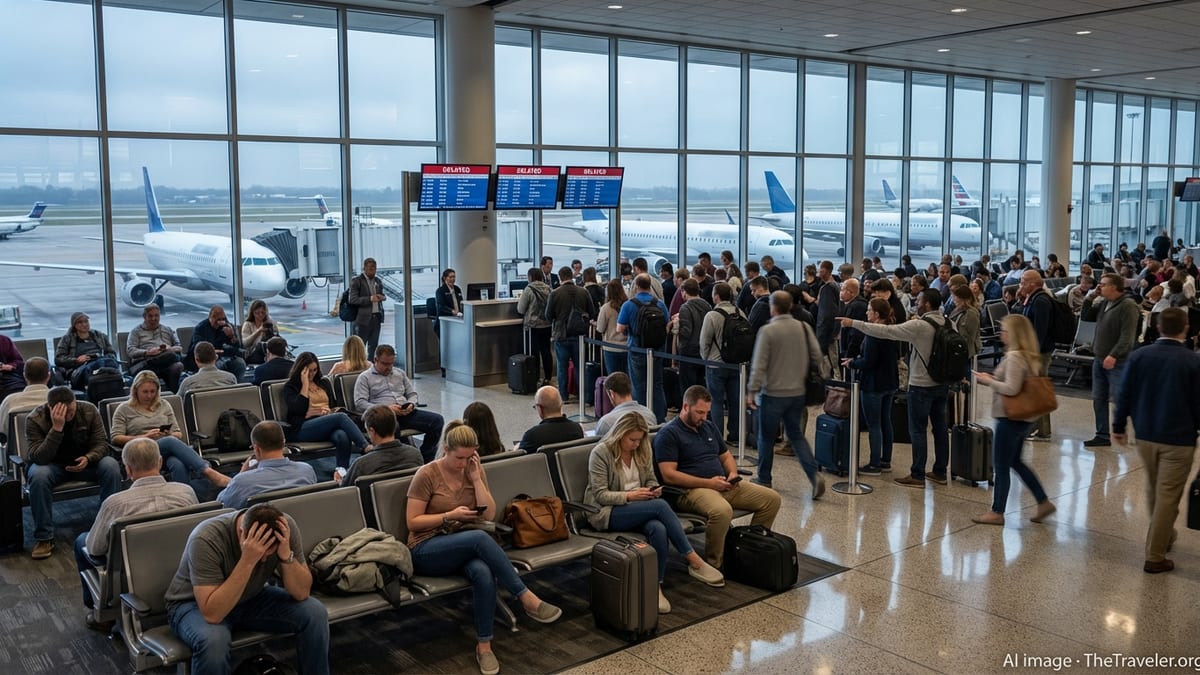
Texas Hubs Grapple With Fresh Wave of Flight Disruptions
Air travel across Texas turned increasingly difficult on Thursday as operational data showed a new spike in delays concentrated at key state hubs. Houston’s George Bush Intercontinental and William P. Hobby airports, Dallas Fort Worth International, Dallas Love Field and Austin Bergstrom International collectively registered 10 cancellations and 482 flight delays, leaving travelers facing missed connections, overnight stays and hours-long waits at the gate.
The latest disruption comes on the heels of a turbulent winter for U.S. aviation, in which large weather systems and lingering staffing constraints have repeatedly tested airline networks and airport infrastructure. While the number of outright cancellations remained relatively limited in Texas compared with some earlier storms, the volume of delayed departures and arrivals once again underscored how quickly schedules can unravel when multiple carriers feel the strain at the same time.
For many passengers, the practical impact was similar to a large-scale cancellation event, with rolling gate changes, creeping departure times and sudden connection misalignments playing out across concourses. Crowded customer service desks and full rebooking phone lines became a familiar sight, as travelers scrambled to salvage weekend trips, business meetings and onward international itineraries.
SkyWest, United and Delta Among Hardest-Hit Carriers
Regional operator SkyWest, which flies on behalf of major brands such as United, Delta and American, featured prominently in Thursday’s disruption totals, reflecting the role of feeder networks in keeping large hub operations running smoothly. When regional flights are delayed, the impact ripples outward to mainline operations, particularly at connecting hubs like Houston and Dallas Fort Worth where passengers rely on tight transfer windows.
United Airlines and Delta Air Lines also reported elevated delay counts at Texas airports, echoing broader national trends that have seen both carriers struggle at times this winter with aircraft and crew positioning. Although the majority of affected services eventually departed, extended ground holds and late inbound aircraft pushed many flights well past their scheduled departure times, frustrating travelers who had expected a relatively routine travel day.
American Airlines, which operates an expansive hub at Dallas Fort Worth, saw scattered knock-on delays as partner and competitor disruptions reverberated through shared airspace and ground infrastructure. Even when a given airline keeps its own cancellations low, shared runways, taxiways and air traffic control sectors mean that operational shocks for one carrier can quickly become a problem for all.
Houston and Dallas Fort Worth Remain Pressure Points
Texas’s largest aviation markets once again emerged as focal points of disruption. At Houston George Bush Intercontinental, delays mounted through the day as congested departure banks and late-arriving aircraft forced airlines to compress turn times and juggle gate assignments. The airport has previously seen significant knock-on effects when national systems are under stress, particularly during severe weather episodes that sweep across the central United States.
Dallas Fort Worth International, one of the nation’s busiest hubs and a critical connecting point between East and West, also experienced a spike in delayed operations. Earlier industry analyses have highlighted the airport’s vulnerability to congestion, with a relatively high proportion of flights arriving late during peak seasons. When a fresh disruption arises, that existing pressure can rapidly translate into longer queues at security and gate areas, as full flights and dense schedules leave limited room to absorb further shocks.
Nearby Dallas Love Field, a key base for short-haul domestic routes, felt the secondary effects as well. While its traffic is more point-to-point than connecting, concentrated departure waves mean that even modest delays can quickly cascade when multiple aircraft vie for the same runway windows in already busy North Texas skies.
Austin Bergstrom Feels the Knock-On Impact
Austin Bergstrom International Airport, which has grown rapidly over the past several years as both a leisure and tech-sector gateway, was not spared. Delays there were tied partly to aircraft and crew arriving late from previously affected hubs, illustrating how vulnerable point-to-point markets can be when the broader network comes under strain. Even when local weather is favorable and airport systems are functioning normally, inbound disruptions can throw off carefully calibrated daily schedules.
In recent months, Austin has repeatedly appeared in national delay statistics as system-wide challenges spilled over into its growing roster of domestic and limited international routes. When Texas hubs like Houston and Dallas slow down, carriers often prioritize repositioning aircraft through their largest centers first, which can leave secondary airports like Austin waiting for late planes and out-of-sequence crews.
On Thursday, that dynamic was visible in a series of delayed departures to coastal and Midwest destinations, many of which were operating with aircraft that had already accumulated substantial lateness earlier in the day. For local travelers, it highlighted how heavy reliance on a small number of daily flights to key cities can magnify the effects of even a single delay.
Weather, Congested Skies and Crew Logistics Drive Delays
While no single catastrophic weather event was solely responsible for the latest Texas disruption, a combination of unsettled conditions, lingering winter patterns and crowded airspace contributed to the day’s travel headaches. Slightly reduced visibility, scattered low clouds and passing frontal systems forced air traffic controllers to increase spacing between aircraft at times, trimming overall capacity and forcing airlines to adjust their movements accordingly.
Behind the scenes, crew logistics remained a significant challenge. Tight duty-time regulations designed to protect safety limit how long pilots and flight attendants can remain on the clock. When delays build up early, airlines must reassign crews, call in reserves or, in worst cases, cancel flights entirely to stay within legal limits. On busy routes through Houston, Dallas and Austin, these cascading crew adjustments can stretch across multiple flights, leaving passengers far from the original source of disruption feeling its effects.
Industry analysts note that the increasingly complex mix of mainline jets, regional aircraft and ultra-low-cost carriers sharing the same airspace can amplify these issues. Once overall system efficiency dips, the margin for recovering lost time narrows, especially at peak periods when infrastructure is already operating close to capacity.
Travelers Confront Long Lines and Scrambled Itineraries
Inside terminals, the human impact of the disruption was evident. Lengthy check-in lines formed as passengers sought to rebook canceled or badly delayed services, while security queues ebbed and flowed in step with rolling departure pushes. At gate areas, electronic boards flickered with revised departure times, and announcements of updated boarding procedures became a constant background soundtrack.
Families on school-break getaways, business travelers heading to short-notice meetings and international passengers connecting through Texas hubs all reported scrambling to adjust their plans. For some, the delays meant unexpected overnight stays at airport hotels or the added expense of last-minute accommodation in city centers. Others faced missed events and rescheduled appointments as they waited for new flight options to open up.
Airlines encouraged affected travelers to use mobile apps and digital tools to manage their trips, but high traffic volumes sometimes slowed response times. Customer service teams worked to prioritize passengers with tight connections or critical travel needs, yet limited spare seats on already busy flights left many with few immediate alternatives.
Airline and Airport Responses Aim to Stabilize Operations
Carriers operating across Texas responded by tightening turnarounds where possible, swapping aircraft to routes with the highest passenger loads and, in some cases, trimming frequencies later in the day to create recovery space. SkyWest and other regional partners coordinated closely with mainline airlines to reposition crews and aircraft, seeking to rebuild buffer time into schedules that had been stretched thin.
Airport authorities in Houston, Dallas and Austin emphasized that safety remained the overriding priority as they worked with the Federal Aviation Administration’s air traffic facilities to meter departures and manage arrivals into congested airspace. Ground staff were redeployed to high-traffic areas, with additional personnel dispatched to assist at information desks and help direct passengers to rebooking counters and baggage services.
Some airlines offered travel waivers for customers booked on the most affected routes, allowing fee-free changes to later flights or alternative days. Although such waivers do not eliminate disruption, they can help spread demand over a wider window, easing immediate pressure on departure banks and creating room for the system to normalize more quickly.
What Passengers Can Do on Future Disruption Days
For travelers planning trips through Texas hubs in the coming weeks, the latest wave of delays offers several practical lessons. Experts recommend booking earlier flights in the day, when schedules are less likely to have absorbed multiple rounds of delays, and considering slightly longer connection windows through busy hubs like Dallas Fort Worth and Houston Intercontinental, especially in winter and early spring.
Passengers are also advised to monitor their flights closely through airline apps and text alerts starting at least 24 hours before departure. When disruption appears likely, reaching out early to adjust itineraries can mean the difference between securing a confirmed seat on an alternative flight and being left on a standby list as capacity tightens.
Finally, building flexibility into travel plans can help cushion the blow of any future operational shocks. Whether traveling for business or leisure, allowing extra time around critical events, packing essential medication and a change of clothes in carry-on bags, and keeping accommodation plans somewhat adaptable can make an unexpected delay or overnight stay less disruptive when the next wave of cancellations and delays strikes.