

More news on this day
Thailand Tourism Festival 2026 in Bangkok is emerging as a key platform to encourage Thai residents to explore lesser-known destinations across the country, supporting a broader push to strengthen domestic tourism and spread visitor spending beyond traditional hotspots.
Get the latest news straight to your inbox!
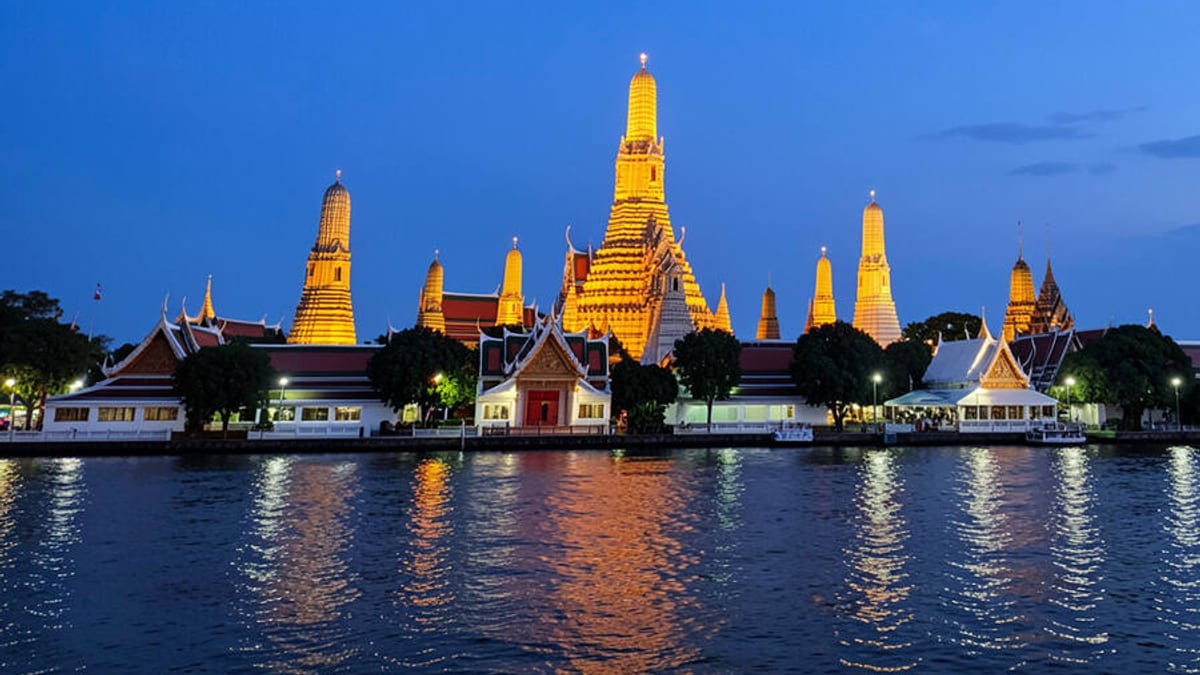
Image by Travel And Tour World
Bangkok Festival Builds on a Long-Running Tourism Showcase
Publicly available information on recent editions of the Thailand Tourism Festival indicates that the annual event has evolved into a national showcase of regional culture, food and travel experiences. Previous festivals were staged at central Bangkok venues such as Lumphini Park and the Queen Sirikit National Convention Center, transforming the capital into a temporary “mini Thailand” with themed zones representing different parts of the country.
Reports on the 2024 and 2025 editions describe a clear focus on sustainable travel, regional identity and low-carbon tourism products. Exhibitions highlighted distinctive traditions from the North, Northeast, Central, East and South, alongside local food markets, cultural performances and travel deal zones. That model is expected to inform planning for Thailand Tourism Festival 2026, with organisers likely to retain the regional-village format that has proven effective in directing attention toward secondary cities and rural areas.
Tourism industry observers note that such large-scale events in Bangkok play a dual role. They serve as a shop window for destinations in every region, while also functioning as a testbed for promotional themes that can be amplified through nationwide campaigns. In the case of the 2026 festival, the prevailing theme of “hidden gems” appears aligned with broader national goals to rebalance visitor flows and reduce pressure on famous beach resorts and urban centers.
Analysts following Thailand’s event calendar point out that the festival will unfold in a competitive landscape for travelers’ attention. Bangkok now regularly hosts international-scale cultural, sports and lifestyle events, from marathons and design weeks to illumination festivals. Positioning Thailand Tourism Festival 2026 as a distinctly domestic-facing event aimed at Thai residents could help differentiate it within that crowded schedule.
Domestic Tourism Remains a Strategic Priority in 2026
Tourism has long been central to Thailand’s economy, and available 2025 and early 2026 figures show that international arrivals have rebounded strongly. At the same time, recent government and Tourism Authority of Thailand (TAT) campaigns underline that domestic tourism continues to be treated as a stabilising pillar. Various initiatives have sought to encourage Thai residents to travel more frequently within the country, especially during shoulder seasons and holiday periods.
In 2025, for example, publicly reported policy proposals included subsidised domestic flights for international visitors and promotional efforts linked to major festivals such as Songkran. Event-based strategies, including sports tourism and cultural festivals, have been used to draw both local and foreign travelers to regional hubs. This broader context suggests that Thailand Tourism Festival 2026 will be positioned as part of a year-round calendar of activities designed to sustain demand for hotels, transport and local services well beyond peak holiday dates.
Experts note that domestic travelers tend to distribute spending more evenly through local markets, small accommodation providers and community enterprises compared with some segments of mass international tourism. By targeting Thai residents, the 2026 festival aligns with policies that aim to spread tourism benefits more deeply into provincial economies. The anticipated emphasis on lesser-known destinations, eco-friendly routes and cultural immersion fits with a shift toward higher-quality, experience-led travel.
Industry commentary also highlights the resilience that strong domestic tourism can offer in times of external shocks. During previous global disruptions, Thai residents helped cushion the impact on local businesses when international arrivals declined. Strengthening that domestic base through initiatives like Thailand Tourism Festival 2026 is therefore viewed as a longer-term investment in economic stability as well as a short-term boost for travel-related sectors.
“Hidden Gems” and Secondary Cities Step Into the Spotlight
The theme of discovering “hidden gems” has become increasingly prominent in Thai tourism marketing, with recent campaigns spotlighting lesser-known national parks, cultural towns and coastal stretches beyond the most famous islands. Materials distributed at international trade fairs in early 2026 similarly stress low-carbon routes, creative communities and nature-based experiences outside headline destinations.
Thailand Tourism Festival 2026 is expected to translate these ideas into a tangible experience for visitors in Bangkok. Drawing on past festival formats, provincial zones are likely to introduce Thai residents to under-the-radar districts, scenic driving routes and small communities that offer homestays, craft workshops and food tours. Interactive exhibits, traditional performances and culinary demonstrations give prospective travelers a preview of what to expect if they venture beyond the usual itineraries.
Travel analysts argue that framing secondary provinces as “hidden gems” can help address long-standing imbalances in tourism flows. Regions such as Isan, lesser-visited parts of the South and inland provinces near established resort areas have historically attracted a lower share of visitors. When residents encounter these destinations in an engaging festival setting, they may be more inclined to plan weekend breaks or family trips that support local businesses and diversify revenue sources.
However, some observers also caution that the term “hidden gem” is increasingly overused. They note that many featured locations already have established tourism infrastructure, and that the real challenge lies in transport connectivity, targeted marketing and visitor education. Within this debate, Thailand Tourism Festival 2026 could play a constructive role by offering practical travel information, promoting sustainable behavior and setting realistic expectations about crowd levels and local capacity.
Festival Programming Ties Into Wider Events and Soft Power Strategy
The 2026 festival is expected to sit within a broader tapestry of events that Thailand is promoting as part of its soft power and tourism strategy. Recent years have seen the rollout of large-scale sports, music and cultural festivals, alongside illumination projects and marathons that double as tourism showcases. Each event adds to a narrative positioning Thailand as a year-round destination for experiences that combine culture, creativity and outdoor activities.
Public information on the 2026 calendar already points to high-profile gatherings such as sports festivals and international music events in coastal provinces. These initiatives are frequently linked to efforts to highlight Thai heritage, food and wellness traditions. Against this backdrop, Thailand Tourism Festival 2026 in Bangkok offers a domestically focused counterpoint, concentrating on motivating local travelers to explore regional cultures rather than primarily courting overseas visitors.
Observers expect that festival programming will continue to reflect themes of sustainability, community engagement and technological innovation. Recent events have featured low-carbon travel mapping, eco-playgrounds and digital tools that help visitors plan itineraries. Incorporating similar elements into the 2026 festival could make it a key platform to promote responsible tourism habits among Thai residents, from reducing waste to choosing locally owned services.
There is also an expectation that the festival will function as a networking hub for provincial tourism offices, community enterprises and private-sector operators. While the event is public-facing, its concentration of stakeholders in a single location creates opportunities to forge partnerships and align messaging across regions. This behind-the-scenes dimension can be significant in turning festival interest into sustained travel flows over the following months.
Implications for Local Economies and Travelers
Economists who track Thailand’s tourism sector point out that domestic trips can have a meaningful multiplier effect on regional economies. Spending on accommodation, food, transportation and activities circulates through local supply chains and can support employment in smaller communities. If Thailand Tourism Festival 2026 succeeds in nudging more Thai residents toward lesser-known provinces, the impact could be felt in sectors ranging from agriculture and handicrafts to small logistics providers.
For travelers, the festival offers a low-risk way to compare destinations, collect information and take advantage of promotional deals. Families considering school holiday trips, younger travelers seeking weekend escapes and older visitors looking for wellness or cultural experiences can evaluate a wide range of options in one place. This convenience has been highlighted in past coverage of the festival as a factor in converting interest into actual bookings.
At the same time, experts stress that expanding domestic tourism into new areas brings responsibilities. Communities need time and support to adapt to increased visitor numbers, particularly in environmentally sensitive sites or areas with limited infrastructure. Organisers of Thailand Tourism Festival 2026 are expected to place greater emphasis on codes of conduct, visitor education and promotion of certified sustainable operators, reflecting a broader policy trend toward quality over quantity in Thai tourism.
As Thailand moves through 2026 with stronger arrival figures and a more diversified events calendar, the role of domestic travelers remains central. Positioned at the intersection of culture, marketing and economic policy, Thailand Tourism Festival 2026 in Bangkok is set to be both a celebration of national diversity and a practical gateway encouraging residents to explore the country’s many lesser-known corners.