

More news on this day
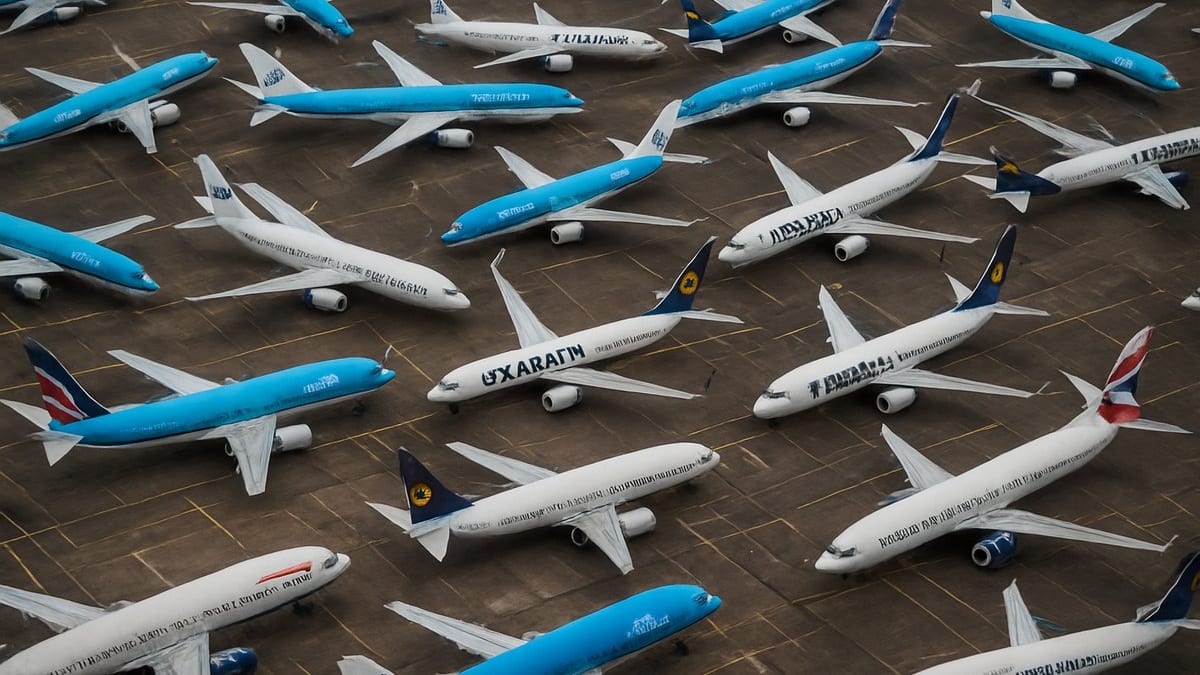
European air travel has been thrown into fresh turmoil as Air France and KLM confront a wave of disruption that has left 1,899 flights delayed across the network, triggering mounting backlogs at key hubs and stranding passengers from Paris to Amsterdam.
Get the latest news straight to your inbox!
Delays Ripple Across Core Hubs
The disruption is centered on Paris Charles de Gaulle and Amsterdam Schiphol, the main long haul and transfer hubs for Air France and KLM. Publicly available tracking data and industry dashboards show elevated delay ratios at both airports, with departure and arrival banks running significantly behind schedule.
Operational reporting indicates that knock on effects are being felt across secondary airports in France, the Netherlands and neighboring countries as delayed aircraft and crew struggle to return to position. Short haul European routes are bearing the brunt of the problem, but long haul services to North America, the Middle East and Asia are also experiencing prolonged departure holds and missed connections.
Capacity at both hubs was already under pressure following a series of weather and air traffic control constraints in late March. The latest spike in delays has pushed the system into what analysts describe as a rolling backlog, where each late rotation cascades into subsequent departures and further erodes on time performance.
Data from independent aviation analytics platforms suggests that the 1,899 delayed flights represent one of the most severe single day disruption events for the combined Air France–KLM group in recent seasons, rivaling the worst days of recent storm related ground stops and system outages elsewhere in the network.
IT Strains, Staffing Gaps and Weather Aftershocks
While no single trigger has been formally identified, publicly available information points to a combination of factors converging at once. Recent weather systems over northwestern Europe have already forced ground stops, runway restrictions and temporary flow controls at major hubs, reducing the buffer that airlines rely on to absorb operational shocks.
At the same time, passenger accounts and aviation forums in recent weeks have described slow or unresponsive booking and check in platforms for both Air France and KLM, suggesting persistent strain on digital infrastructure. When schedules start to unravel, those systems become critical for rebooking, automated notifications and disruption handling; any slowdown can compound delays as travelers struggle to adjust their itineraries.
Staffing remains another point of vulnerability. Ground operations, baggage handling and customer service teams are still operating close to their limits at major European hubs, according to industry commentary and airport performance briefings. Once delays accumulate beyond a certain threshold, available crews, gates and ramp resources can no longer keep pace with the recovery, producing visible queues at check in, transfer desks and boarding gates.
Analysts note that the current episode fits a broader European pattern where several medium scale disruptions in early 2026 have highlighted the fragility of the continent’s aviation infrastructure when weather, staffing and IT issues intersect.
Travelers Face Long Queues, Missed Connections and Baggage Logjams
For passengers, the Great European Grounding is playing out in long queues, missed connections and mounting uncertainty over baggage. Reports shared publicly by travelers indicate that some Air France and KLM customers are facing multi hour waits to rebook at airport desks, while others describe limited phone support and inconsistent information across apps and airport displays.
The wave of delays has been particularly punishing for connecting itineraries through Amsterdam and Paris. When inbound flights arrive late, the narrow transfer windows that underpin many European hub connections quickly evaporate, forcing travelers to overnight unexpectedly or reroute through alternative airports where seats are still available.
Baggage handling is another pressure point. Previous disruption episodes at these hubs have shown that once late inbound flights, missed connections and aircraft swaps begin to pile up, baggage systems struggle to keep bags synchronized with rebooked passengers. Early anecdotal accounts suggest a growing number of delayed or misrouted bags, with some travelers turning to online claim forms and delayed baggage trackers while they continue their journeys without luggage.
Accommodation near major airports is also being tested. With hundreds of flights pushed back and some passengers forced to stay overnight, hotels around Charles de Gaulle and Schiphol are seeing a surge in last minute demand, tightening availability and driving up rates for stranded travelers seeking a place to stay while they wait out the disruption.
Air France–KLM Response and Passenger Rights
Publicly available customer guidance from Air France and KLM emphasizes the use of airline apps and websites for real time updates, rebooking options and refund requests. Travel alerts from the group in recent months have outlined policies for delays and cancellations, including the possibility of full refunds in cases of severe disruption and the ability to adjust journeys online without additional service fees in specified scenarios.
Across Europe, the existing EU261 framework continues to shape passenger expectations in events of this magnitude. Under those rules, travelers on eligible itineraries may be entitled to compensation for long delays, in addition to care obligations such as meals, refreshments and hotel accommodation when overnight stays are required. Rights vary according to delay length, distance and cause, and claims can be contested, but consumer organizations regularly encourage passengers to document their experience and retain all receipts for potential reimbursement.
Specialist travel rights platforms and legal advisory services are already highlighting the current disruption as a likely trigger for a surge in compensation claims in the weeks ahead. Recent case studies involving Air France and KLM show that some passengers have successfully pursued claims after prolonged delays and missed connections, although resolution times can stretch over many months when airlines dispute liability.
For corporate travel managers, the scale of the backlog is prompting renewed attention to duty of care policies and backup routing plans. Some are advising travelers to build in longer connection times at European hubs when possible and to consider alternative carriers on critical journeys during periods of heightened disruption risk.
What Travelers Can Do Now
For those scheduled to fly with Air France or KLM while the backlog persists, travel experts recommend a combination of proactive monitoring and flexibility. Checking flight status repeatedly in the 24 hours before departure, confirming terminal and gate details, and enrolling in airline and airport alert systems can help reduce surprises on the day of travel.
Where itineraries include tight connections at Paris or Amsterdam, travelers who can afford the change may wish to move to earlier feeder flights or request rerouting that avoids the most congested hubs. Although same day options are limited when disruptions reach this scale, some seats may open as other passengers voluntarily shift their plans.
Passengers already at the airport are encouraged, where feasible, to use self service tools before joining physical queues. In previous European disruption events, travelers who relied on mobile apps and websites for rebooking often secured earlier alternatives than those waiting exclusively for in person assistance. When digital tools falter, however, joining a physical line at transfer or ticketing counters may still be the only viable path to a confirmed alternative.
With Air France and KLM still working through the 1,899 delayed flights and the associated operational backlog, observers expect residual disruption to continue for at least another day as aircraft, crews and misplaced bags work their way back into position across the European network.