

Circling Lake Michigan has become a classic Midwestern road trip, a loop that threads together Chicago’s skyline, quiet dune towns, forested peninsulas, and lighthouse-dotted shores. It feels simple and spontaneous: pack the car, hit the highway, stop wherever the water looks inviting. Yet the real cost of a Lake Michigan road trip in 2026 is more complex, shaped by shifting fuel prices, new park fees, and busy summer peaks. Understanding those expenses before you go can mean the difference between an easygoing adventure and a trip that quietly overruns your budget.
Understanding the Lake Michigan Loop
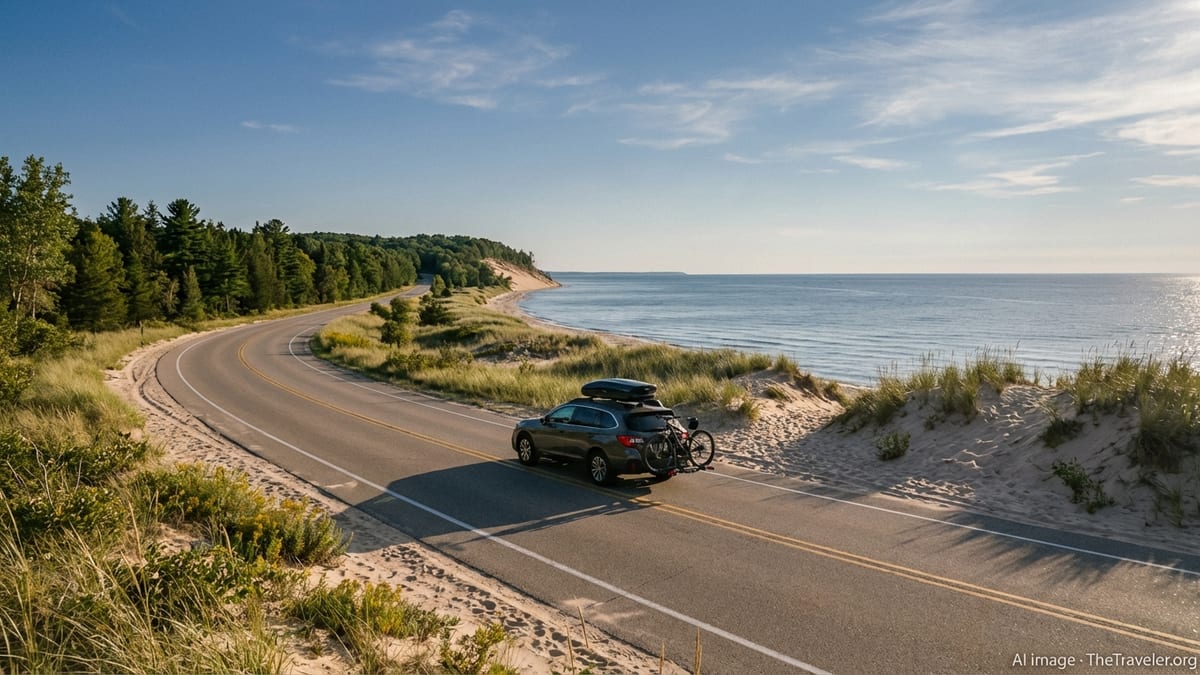
The classic Lake Michigan road trip usually means a near-complete loop around the lake through four states: Illinois, Indiana, Michigan, and Wisconsin. Many travelers begin in Chicago, head east to Indiana Dunes, follow the Michigan shore north through Holland, Ludington, and the Sleeping Bear region toward the Upper Peninsula, cross into Wisconsin via the Mackinac Bridge or a ferry, then swing south through Door County and Milwaukee before closing the loop. Depending on exact routing and detours, the distance often lands between 900 and 1,100 miles.
That distance is important when you start to translate the dream into dollars. Even at relatively moderate Midwestern gas prices compared with coastal states, a thousand-mile loop adds up quickly. As of early February 2026, national averages for regular gasoline hover under 3 dollars per gallon, while states around Lake Michigan, like Wisconsin and Michigan, often sit near or slightly below that figure. Exact prices change week to week, but planning around roughly 2.75 to 3 dollars per gallon offers a realistic starting point for a near-future trip.
Route choices also change what you spend on lodging and activities. A slower, shoreline-focused route that lingers in resort towns, wine country, and national lakeshores typically costs more than a faster inland drive that skips pricey beach destinations. Building in a few strategic inland overnights can cut nightly rates significantly while keeping you within a short drive of the lake for daytime exploring.
Seasonality is the final major variable. Between late June and late August, coastal Michigan and Wisconsin fill with summer visitors, and prices for hotels, vacation rentals, and some activities often climb to their highest levels of the year. Traveling in May, early June, September, or early October usually means lower lodging costs, more availability, and fewer crowds, though some seasonal amenities may have reduced hours or be closed.
Fuel, Tolls, and the True Price of Getting Around
Fuel will almost certainly be one of your largest single expenses on a Lake Michigan road trip. A typical loop of about 1,000 miles in a vehicle that averages 25 miles per gallon will use around 40 gallons. Using a planning price of roughly 2.75 to 3 dollars per gallon, that equates to approximately 110 to 120 dollars in fuel. If you drive a smaller, more efficient car that averages 35 miles per gallon, fuel can drop closer to 80 dollars for the loop. Larger SUVs, trucks, or rooftop cargo boxes can easily push fuel costs higher.
It is wise to build a cushion into those estimates because pricing varies regionally and can spike around holiday weekends. In February 2026, for example, some Midwestern states are seeing averages near the mid 2-dollar range, while others hover closer to 3 dollars. Planning with a modest buffer, such as assuming 3.25 dollars per gallon in your spreadsheet even if today’s price is lower, helps protect your budget if rates rise by departure day.
Tolls are another cost that can surprise first-time Great Lakes travelers, especially around Chicago. If your loop begins or ends in the city, expect tolls on major expressways and possibly on the Skyway if you cut toward Indiana. Drivers with transponder accounts generally pay slightly less than cash rates, but either way the total can easily add 15 to 40 dollars per vehicle, depending on how often you dip onto toll routes and how you navigate around the metropolitan area.
Parking fees occasionally add to the transportation column. In lakefront cities like Chicago and Milwaukee, daily parking in garages or at popular beaches can cost anywhere from 10 to 30 dollars or more. Smaller lake towns often offer free or low-cost street parking slightly away from waterfronts, but some municipal beaches and harbors now charge modest day-use or parking fees during peak season. Building another 50 to 100 dollars into your overall budget for incidental parking and local shuttles gives you flexibility without constant calculation.
Lodging: From Campgrounds to Boutique Inns
Where you sleep around Lake Michigan is likely to be your single largest budget choice. Nightly rates span from inexpensive public campgrounds to upscale boutique inns in popular resort towns. In 2026, waterfront hotels in places like Traverse City, Michigan or Door County, Wisconsin can often run from the mid 200s to 400 dollars or more per night in July and August. Even midrange chain hotels within a short drive of the lake may sit between 150 and 250 dollars on summer weekends.
Travelers willing to camp or mix in basic motels can keep costs far lower. Public and nonprofit campgrounds around the lake frequently charge in the range of 25 to 50 dollars per night for a standard tent or RV site, depending on amenities and hookups. State parks near the lake often book out months in advance for peak weekends, but midweek nights and shoulder-season dates are much easier to secure and stay at the lower end of the price range. Private campgrounds tend to be a bit more expensive but may offer showers, laundry, and Wi-Fi that appeal on a long loop.
Vacation rentals sit in the middle to upper end of the spectrum. A small cottage or apartment a few blocks away from the water might be available in the 150 to 250 dollar range per night in high season, particularly if you avoid the most sought-after hot spots. Rentals directly on the beach or with lake views often command premium nightly rates and cleaning fees on top, so a long weekend can easily cross into four-figure territory before you factor in meals.
Mixing lodging types is a practical way to manage the real cost of a Lake Michigan circle tour. For example, a 10-night itinerary with five nights of camping and five nights in midrange hotels can pull your average nightly cost down considerably. You might spend roughly 35 to 45 dollars per night for camping and 170 to 220 dollars per night for hotels, bringing the blended average to around 100 to 130 dollars per night, depending on exact choices and dates.
Park Fees, Beaches, and Attraction Costs
Many of the lake’s most memorable experiences are low-cost or free: wandering a small harbor at sunset, skipping stones on a rocky beach, or watching a storm roll in over the water. Yet formal parks, museums, historic sites, and guided experiences introduce a layer of entrance and activity fees that can add up over a full loop. Planning for these ahead of time helps you avoid surprise expenses at the gate.
Indiana Dunes National Park, straddling a stretch of shoreline east of Chicago, now charges an entrance fee for most visitors. A standard private-vehicle pass costs about 25 dollars and covers everyone in the car for up to seven consecutive days, while a per-person pass for those arriving on foot or by bike is somewhat lower. This fee is separate from the fee at adjacent Indiana Dunes State Park, which is governed by the state and has its own structure for daily and annual passes. Travelers who hold certain federal lands passes, such as an annual interagency pass or qualifying senior pass, can often use those instead of paying the standard vehicle rate.
Around the rest of Lake Michigan, day-use costs vary considerably. Some state parks in Michigan and Wisconsin rely on annual vehicle permits that cover all state-managed recreation sites within that state, while others sell short-term nonresident passes or per-vehicle daily fees. These fees are generally modest on a per-day basis, often well under 20 dollars, but can compound across multiple parks and states if you are visiting a different site almost every day.
Attractions in lakeshore towns bring additional line items. Maritime museums, lighthouse tours, and heritage centers often charge admission in the 5 to 20 dollar per-person range. Small group kayak tours, sailing excursions, or guided dune rides tend to cost more, sometimes approaching or exceeding 75 to 125 dollars per adult for half-day experiences. Choosing one or two premium excursions and then filling remaining days with self-guided hikes, bike rides, and beach time is a common strategy for keeping the overall activity budget manageable.
Families should also consider small recurring costs, such as rental fees for beach chairs, umbrellas, stand-up paddleboards, or bicycles. A few hours of gear rental each day can quietly add a substantial amount to your total, especially during a week-long trip. Bringing some of your own basic gear and planning free activities like sandcastle building or sunset picnics can preserve both the budget and the sense of spontaneity.
Crossing the Lake: Ferries, Bridges, and Alternatives
One of the most charming features of a Lake Michigan road trip is the option to cross the water rather than drive all the way around it. High-speed and traditional car ferries connect Michigan and Wisconsin, transforming part of the trip into a short cruise. These crossings, however, can become some of the most expensive single items on a road trip budget, particularly for travelers bringing vehicles.
On the southern half of the lake, the Lake Express ferry connects Muskegon, Michigan, and Milwaukee, Wisconsin during its operating season. Current published passenger rates for 2026 show that adults traveling in a premium cabin can expect to pay well over 100 dollars per crossing, and bringing a standard vehicle adds another triple-digit charge. Extra fuel and port surcharges, typically under 20 dollars each way for both passengers and vehicles, are also tacked onto the base fare. Round-trip bookings and standard cabin selections can moderate the total somewhat, but a family of four with a car should realistically expect ferry transportation to run into several hundred dollars.
Farther north, the SS Badger sails between Ludington, Michigan, and Manitowoc, Wisconsin. Its main season includes both daytime and, at times, overnight crossings, with prices that vary by route type and whether you travel with or without a car. In addition to standard point-to-point tickets, the line offers mini-cruise style round-trips without vehicles that can be appealing to travelers looking for a short break from driving. These passages also represent a significant per-person spend, often in the low hundreds of dollars once taxes and fees are considered.
For some road trippers, the costs of ferries are worth it purely for the experience and time savings. The alternative to either boat is to drive around the north end of the lake via the Mackinac Bridge, which charges a relatively modest toll compared with ferry fares. That route lengthens the driving distance but introduces spectacular views at the Straits of Mackinac and access to destinations on both Lake Michigan and Lake Huron.
When you map your loop, it is smart to decide early whether a ferry crossing is a must-have or a nice-to-have. For a budget-conscious itinerary focused on value, skipping ferries and sticking to the bridge and highways can trim several hundred dollars from your total. For a splurge-style circle tour emphasizing unique experiences, setting aside a dedicated ferry line in your budget spreadsheet ensures the cost is anticipated rather than a last-minute surprise.
Food, Drink, and Everyday Spending
Food spending along Lake Michigan is highly elastic. It can range from shoestring picnics to high-end tasting menus and winery dinners, sometimes within the same week. For a realistic baseline, many road trippers find that a blended plan of grocery runs, casual local spots, and a few standout meals fits both budget and appetite.
If you prepare simple breakfasts and some lunches from grocery stores, then eat an inexpensive or midrange dinner out most nights, a reasonable planning figure might be 40 to 70 dollars per adult per day, excluding alcohol. Families with children can routinely spend less per person if kids share plates, eat simple meals, or benefit from lower-priced children’s menus. Adding in drinks at bars, breweries, or wineries can noticeably increase the daily total, so it is worth deciding from the outset how often those splurges are part of the vacation.
Lake towns in Michigan and Wisconsin often support a strong local food scene, ranging from fish shacks and ice cream stands to farm-to-table restaurants. Prices reflect that variety. A casual lunch for two at a lakeside café might land around 30 to 45 dollars before tip, while a dinner at a popular seasonal restaurant can easily climb into the 80 to 150 dollar range for a couple once appetizers, mains, and drinks are included. Planning a handful of these more elaborate meals during the trip, rather than treating every night as a special occasion, is an effective way to keep the overall food budget in check.
Do not overlook everyday miscellaneous costs that orbit dining. Coffee runs, bakery stops, farmers market snacks, and roadside fruit stands are a big part of the appeal of a regional road trip. Giving yourself a modest daily cushion for these small treats, perhaps 10 to 20 dollars per person, lets you enjoy them without mentally recalculating the budget with every stop.
Sample Budgets for Different Travel Styles
Because actual costs depend so heavily on choices, it can be helpful to look at approximate example budgets. Consider a pair of travelers planning a 9- to 10-day loop of about 1,000 miles in shoulder season, using a fuel price of roughly 3 dollars per gallon and a car that gets 30 miles per gallon. Fuel might come in around 100 dollars, with a small buffer added. If they choose a mix of budget hotels at 140 dollars per night and two or three nights of camping at 40 dollars per night, their lodging average might settle near 110 to 120 dollars per night, totaling around 1,000 to 1,200 dollars.
If this same couple keeps food simple, relying on groceries and occasional casual restaurants at about 60 dollars per person per day, their overall food budget might land around 1,000 to 1,200 dollars for the trip. Layering in moderate attraction fees and park passes, perhaps 200 to 300 dollars total, leads to an overall road trip cost in the range of roughly 2,300 to 2,800 dollars for both travelers, not including ferries or major shopping.
A family of four traveling during peak summer with a stronger emphasis on comfort might see a very different bottom line. Using higher-season hotel rates closer to 220 to 260 dollars per night, limited or no camping, and more frequent dining out, lodging can quickly top 2,000 dollars for a similar-length trip. Food, especially with restaurant dinners most nights, might range between 120 and 200 dollars per day depending on ages and appetites, adding another 1,200 to 2,000 dollars over 10 days. Include a car ferry crossing with a vehicle and multiple passengers, plus several higher-priced activities like boat tours or dune rides, and a realistic total can rise toward 4,000 to 5,000 dollars.
On the other end of the spectrum, minimalist travelers sticking to campsites, cooking most meals, avoiding ferries, and favoring free hiking and beaches can complete a Lake Michigan loop much more cheaply. For two people on a week-long trip, it is possible, with careful planning, to keep the entire budget under 1,500 dollars, particularly if traveling in May or September and using a fuel-efficient vehicle. The trade-off is less spontaneity when it comes to lodging upgrades and restaurant splurges.
These examples are meant as broad frameworks rather than precise predictions. Costs will differ based on your starting city, the size of your party, your comfort expectations, and how much flexibility you have on travel dates. Building your own version of these sample budgets, with line items tailored to your preferences, is the most reliable way to forecast the real cost of your own Lake Michigan road trip.
The Takeaway
Planning a Lake Michigan road trip in 2026 is about aligning your expectations with your resources and priorities. The loop can be anything from a modest, campfire-heavy journey of state parks and small towns to an indulgent itinerary of lakeside resorts, tasting rooms, and ferry crossings. The core variables are straightforward: distance and fuel, lodging style, park fees and attractions, and how often you choose to sit down for a restaurant meal instead of unpacking a cooler.
What matters most is that you treat the lake not as a vague backdrop but as a concrete project with a realistic price tag. Checking current fuel prices, seasonspecific lodging rates, and current entrance fees before you book, then padding the total for surprises, gives you a clear sense of what the trip will require. That preparation, in turn, buys you the freedom to be spontaneous within a framework you can afford.
With a thoughtful budget and a flexible itinerary, the Lake Michigan circle tour remains one of the most accessible great road trips in North America. Whether you cross by ferry or roll over the Mackinac Bridge, camp in the pines or check into a waterfront hotel, knowing the true costs in advance helps ensure that the memories you bring home are of beaches, lighthouses, and long summer evenings rather than of bills that arrived after the glow had faded.
FAQ
Q1. How many days do I need for a Lake Michigan road trip?
Many travelers plan 7 to 10 days for a full loop, which allows time to drive about 1,000 miles at a relaxed pace with several two-night stays.
Q2. How much should I budget per day for a Lake Michigan trip?
A moderate budget for adults, including lodging, food, fuel, and activities, often falls in the range of 150 to 250 dollars per person per day, depending on travel style.
Q3. Is it cheaper to drive around Lake Michigan or take a ferry?
Generally, driving around via the Mackinac Bridge is cheaper than booking a vehicle and passengers on a Lake Michigan car ferry, though ferries can save time and offer a unique experience.
Q4. When is the most affordable time to do the Lake Michigan loop?
Late spring and early fall are usually more affordable than peak summer, with lower lodging rates, fewer crowds, and easier campground availability, though some seasonal services may be limited.
Q5. Do I need to reserve everything in advance?
In July and August, it is wise to reserve key lodging and popular campgrounds weeks or months ahead. In shoulder seasons, you have more flexibility, but booking weekend stays in advance is still recommended.
Q6. How much will gas cost for the whole loop?
For a roughly 1,000 mile loop in a vehicle averaging about 25 to 30 miles per gallon, planning 100 to 140 dollars for fuel, plus a small buffer, is usually reasonable at current prices.
Q7. Are there many park and beach fees around Lake Michigan?
Yes. Places like Indiana Dunes National Park charge entrance fees, and several state parks and municipal beaches have daily or parking fees, though most are modest on a per-day basis.
Q8. Is camping significantly cheaper than hotels on this route?
Typically yes. Public campgrounds often charge around 25 to 50 dollars per night, while summer hotel rates in popular lake towns can exceed 200 dollars per night, especially on weekends.
Q9. Can I do a Lake Michigan road trip on a tight budget?
It is possible if you focus on camping, cook many of your meals, skip ferries, and emphasize free activities like hiking and beaches, while traveling outside the busiest summer weeks.
Q10. What is one cost people often forget when planning?
Many travelers underestimate tolls, parking, and small daily purchases like coffee, snacks, and ice. Building a buffer for these incidental costs helps keep your budget realistic.