

Siem Reap is best known as the gateway to Angkor Wat, but the town and surrounding countryside now offer a broader mix of culture, food, nature and nightlife than many travelers expect.
With new flights, improved infrastructure and a growing creative scene, the question is no longer whether to visit, but how to spend your time wisely once you arrive. From world class temples and socially conscious circus performances to flooded forests and countryside food tours, these are the things to do in Siem Reap that are actually worth your time.
Explore the Angkor Temples Without Burning Out
Angkor Archaeological Park is the reason most travelers come to Siem Reap, and it deserves at least one full day of your itinerary. Yet with dozens of temples spread over a large area, the sheer scale can feel overwhelming. A smart plan lets you see the icons like Angkor Wat and Bayon while also leaving room for quieter corners and time to rest, rather than racing from ruin to ruin in the heat.
Catch Sunrise at Angkor Wat the Smart Way
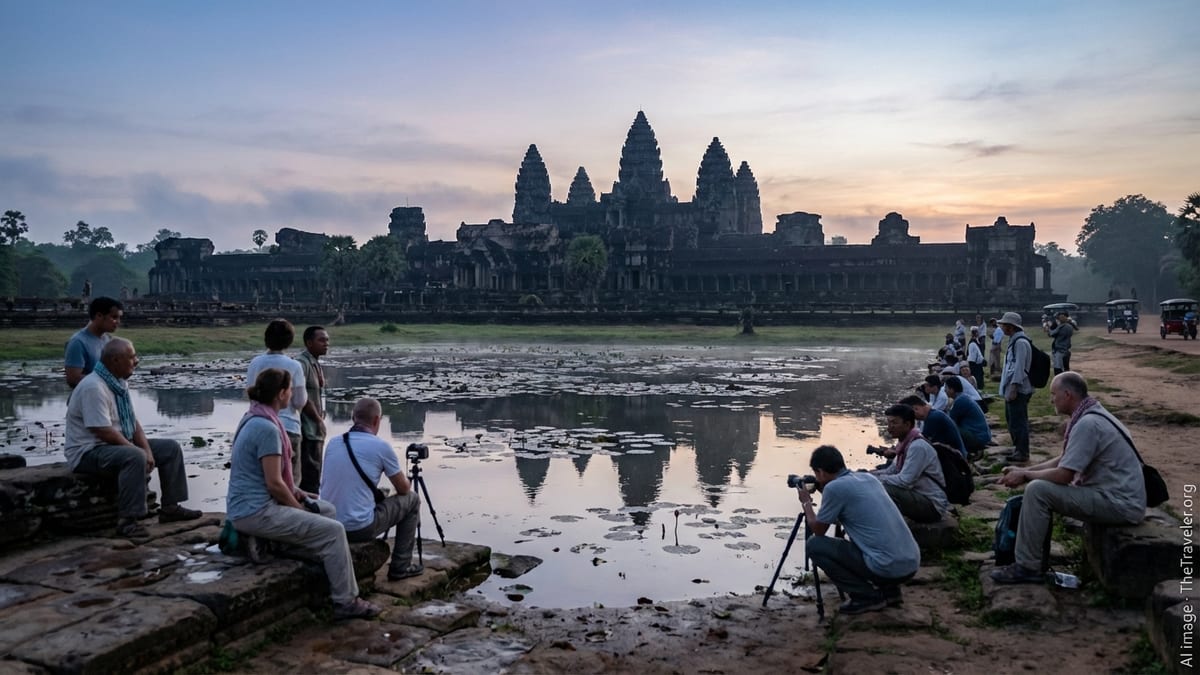
Watching the sun rise behind the lotus towers of Angkor Wat is one of Southeast Asia’s most iconic travel experiences, but it is also one of its most crowded. To make it worthwhile, treat it as a carefully planned early morning excursion instead of a casual photo stop. Arrange a tuk tuk or car the day before and aim to leave town between 4:30 and 5:00 in the morning, earlier in peak season.
Purchase your Angkor Pass in advance from the official ticket office or online so you can head straight to the temple instead of lining up in the dark on the edge of town. Popular vantage points include the reflecting pools in front of the main causeway and the grassy area near the western entrance. The atmosphere is at its best in the 20 minutes before the sun breaks the horizon, when the temple is a silhouette against the sky and the chatter drops to a hush.
After sunrise, many visitors retreat for breakfast and a nap, which creates a useful window of relative calm inside the temple complex. If you still have energy, take advantage of this gap to explore the inner galleries and bas reliefs before the tour buses return mid morning. Carry water, a light scarf or shawl for modesty and sun protection, and heed any weather alerts during the rainy season, when early storms can roll in quickly.
Follow a Thoughtful “Big Three” Circuit
Most first time visitors focus on three major temple areas inside the Angkor park: Angkor Wat, Angkor Thom with Bayon Temple at its center, and Ta Prohm, the jungle temple known for its strangler fig roots. Rather than visiting in the same order as every tour bus, consider reversing the standard route or starting slightly earlier or later to avoid the biggest crowds.
Angkor Thom’s city gates and Bayon’s many serene carved faces reward an unhurried visit. Spending time in the outer galleries reveals narrative bas reliefs of historic battles and daily life that many visitors skip. Ta Prohm, left partially claimed by the forest, is at its atmospheric best in softer light before 9 in the morning or late in the afternoon, when the sun highlights the roots without the midday glare.
If you have a full day, combine these headline temples with one or two smaller sites such as Banteay Kdei or Preah Khan, which offer similar architectural grandeur and intricate carvings with more space and silence. Hiring a licensed local guide for at least half a day can deepen the experience with context about the Khmer Empire, restoration work and the religious symbolism carved into the stone.
Venture to Banteay Srei and the Outer Temples
For travelers with a second or third day on their pass, visiting one or two outer temples is far more rewarding than repeating the main circuit. Banteay Srei, about 30 kilometers northeast of Siem Reap, is a smaller 10th century temple famous for its exceptionally fine carving on rose pink sandstone. The drive passes rice fields and rural villages, offering a glimpse of countryside life beyond the tourism strip.
Other worthwhile outer sites include Beng Mealea, a semi collapsed temple draped in vegetation that evokes the early days of Angkor exploration, and the Rolous group, which preserves some of the earliest permanent temples of the Khmer state. These require more travel time and some walking over uneven terrain, so they are best enjoyed by travelers who are comfortable with heat, dust and basic facilities in exchange for quieter, more atmospheric ruins.
Experience Siem Reap’s Creative and Cultural Scene
In the years before and after the pandemic, Siem Reap has quietly developed a contemporary cultural scene that extends far beyond temple reliefs. Social enterprises, performance venues and small galleries give visitors the chance to engage with living Cambodian art forms instead of only consuming the past. Spending an evening or two on these experiences supports local livelihoods and offers insight into how younger Cambodians are reshaping their city.
See Phare, The Cambodian Circus
Phare, The Cambodian Circus, is consistently ranked as one of Siem Reap’s most compelling evening activities, and with good reason. The troupe combines acrobatics, live music, dance and storytelling in high energy shows rooted in Cambodian history and contemporary life. Performers are graduates of an arts school and social enterprise originally founded to use creative training as a path out of hardship for young people.
Shows usually run most nights in a big top tent a short tuk tuk ride from the center of town, with rotating storylines that can touch on everything from life under the Khmer Rouge to modern urban satire. Arrive early to enjoy pre show snacks, browse the small onsite gallery and watch the artists warm up. The atmosphere is informal but professional, and the production quality rivals much larger, more expensive productions elsewhere in the region.
Discover Artisans Angkor and Local Craft Studios
Artisans Angkor began as a vocational training project and has grown into a respected producer of high quality Khmer crafts, from stone and wood carving to silk weaving and lacquerware. A visit to their main workshop near central Siem Reap allows you to walk through open studios, see artisans at work and understand how traditional techniques are being preserved and updated for contemporary design.
The showroom on site offers textiles, sculptures and homeware at prices that reflect fair wages and sustainable sourcing. For travelers seeking thoughtful souvenirs rather than generic trinkets, this is a reliable option. Beyond Artisans Angkor, a growing network of small studios and boutiques scattered around town showcase ceramics, photography, contemporary painting and upcycled design, making an afternoon gallery hop a pleasant alternative to more time in the heat of the temples.
Attend an Apsara Dance or Cultural Performance
Apsara dance, with its slow, precise hand gestures and ornate costumes, has long been associated with the celestial dancers carved into Angkor’s temple walls. In modern Siem Reap, Apsara shows range widely in quality, from rushed tourist dinner buffets to more carefully staged performances. Choosing a venue that emphasizes artistry over volume can make the difference between a forgettable photo opportunity and a moving introduction to classical Cambodian dance.
Look for performances that feature a mix of classical and folk dances, live musicians and clear program notes or introductions in English. Some hotels and cultural centers curate smaller scale shows with limited seating, which can be worth booking ahead in busier months. Remember that this is living heritage, not just entertainment, and consider tipping or buying a program to support the dancers and musicians directly.
Get Beyond Pub Street: Food, Markets and Nightlife
Siem Reap’s compact center is easy to navigate, but many visitors confine themselves to Pub Street and miss the broader food and nightlife scene that has emerged nearby. While the neon bars and drink specials may appeal to some, the best experiences lie a few blocks away in local markets, family run eateries and riverside streets where residents actually spend their evenings.
Explore the Old Market and Night Markets
Siem Reap’s Old Market, known locally as Phsar Chas, is one of the city’s oldest commercial hubs and still serves as a daily shopping spot for residents. Visiting in the morning reveals stalls piled with herbs, river fish, spices and tropical fruit, while the outer ring caters more to visitors with textiles, souvenirs and handicrafts. It can be crowded and hot, but the sensory overload is part of the appeal.
In the late afternoon and evening, dedicated night markets open with rows of small stalls under simple canopies. Here you can browse clothing, art, souvenirs and street snacks at a slower pace than Pub Street itself. Haggling is expected but should be friendly and respectful. Keep an eye on your belongings in busy aisles and carry small denominations of cash, as many vendors do not take cards.
Sample Modern Khmer Cuisine and Street Food
Traditional Khmer food is subtle and herb driven, with less chili heat than some neighboring cuisines. In recent years, a wave of local and international chefs has begun to reinterpret these flavors in modern bistros and cafes around town. Dishes like fish amok, prahok infused dips, smoky eggplant salads and banana blossom salads appear in creative forms alongside grilled river fish and curries.
Street food culture remains strong as well, especially in the late afternoon along the river and on side streets around the Old Market. Simple stalls serve skewers, rice dishes, fresh sugarcane juice and iced coffee. For visitors concerned about hygiene, look for busy stalls with high turnover, food cooked to order, and vendors handling money and food with separate hands where possible. Joining a guided food tour can be an efficient way to sample a wide range of dishes safely while learning about ingredients and customs.
Choose Nightlife That Suits Your Style
Pub Street is the most famous nightlife strip in Siem Reap, lined with bars, cocktail lounges and loud music. It delivers exactly what it promises: cheap drinks, dance floors and crowds of fellow travelers. If that is your idea of a fun night out, it can certainly provide a memorable few hours.
However, those seeking a more relaxed evening will find a growing number of wine bars, craft beer spots and live music venues scattered on quieter streets nearby. Small rooftop bars overlooking the river and cafes with acoustic sets create an atmosphere more conducive to conversation than shouting. Wherever you go, negotiate tuk tuk fares before getting in and be cautious with valuables after dark, as you would in any busy tourist town.
Head to the Water: Tonle Sap Lake and Floating Villages
South of Siem Reap, the vast Tonle Sap lake is one of Cambodia’s most important ecosystems, feeding fishing communities and migrating birds. Visiting a floating or stilted village here can be enlightening, but it also raises questions about overtourism and the dignity of residents. Choosing your destination and operator carefully will determine whether the experience feels meaningful or exploitative.
Visit a Stilted or Floating Village Responsibly
Several communities near Siem Reap welcome visitors, each with its own character. Some closer villages have become heavily commercialized, with aggressive boat touts and staged activities that benefit intermediaries more than locals. Others farther from town maintain a quieter pace of life and are better suited to travelers interested in understanding daily routines on the water.
Whichever village you choose, the key is to travel with a guide or company that works directly with residents and keeps group sizes small. Look for tours that are transparent about where your money goes and that limit intrusive behavior, such as photographing people at close range without permission. A good guide will explain how seasonal water levels transform the landscape, why houses are built on towering stilts and how fishing and farming adapt as the lake swells and retreats.
Explore the Flooded Forests and Birdlife
Beyond the villages themselves, the flooded forests and open waters of Tonle Sap are rich in biodiversity. Small paddle boats or quieter motorized vessels can take you through corridors of partially submerged trees during the high water months, often from around July to January, when the lake is at its fullest. The reflections and filtered light here can be as memorable as any temple, especially in the soft hours near sunset.
Bird enthusiasts can consider visits timed around peak migration seasons, when colonies of storks, pelicans and other species gather in protected areas and sanctuaries. Ethical operators will follow guidelines on distance and noise to avoid disturbing nesting sites. Pack a hat, sunscreen and insect repellent, and be prepared for basic facilities at the dock. Conditions and water levels change year to year, so check the current situation locally before committing to a tour.
Escape to Nature: Phnom Kulen and the Countryside
When temple fatigue sets in, Siem Reap’s surrounding countryside offers relief in the form of waterfalls, forested hills and quiet villages. A day out of town provides fresh air and a different perspective on Cambodian life, with opportunities to swim, hike or simply watch the landscape slide by from the back of a tuk tuk or car.
Cool Off at Phnom Kulen National Park
Phnom Kulen, a low mountain range northeast of Siem Reap, is often described as the birthplace of the Angkorian Empire and now functions as both a pilgrimage site and popular local weekend escape. The national park encompasses waterfalls, forested trails and a hilltop pagoda with a large reclining Buddha statue visited by worshippers and tourists alike.
Most visitors come for a day trip, combining time at the main waterfall pool with a simple picnic and short walks. The water here is refreshing after days of dust and heat among the temples. Modest dress is still recommended, particularly near religious sites, and it is polite to observe how local families behave in the water and on the rocks before plunging in. Roads can be rough in spots, especially during and just after the rainy season, so hiring a driver familiar with the route is advisable.
Walk Among Riverbed Carvings at Kbal Spean
Kbal Spean, sometimes called the River of a Thousand Lingas, offers a gentler hiking option within reach of Siem Reap. A forest trail climbs gradually to a stretch of river where ancient sandstone carvings of Hindu symbols and deities lie beneath the flowing water and on its banks. The effect is subtle but powerful, especially when dappled sunlight hits the submerged reliefs.
The walk takes around 45 minutes each way at a moderate pace and includes some uneven stone steps and tree roots. It is best tackled in the cooler morning hours, with sturdy shoes, water and insect repellent. Unlike the monumental sight of Angkor Wat, Kbal Spean feels intimate and almost hidden, rewarding those willing to trade air conditioning and crowds for birdsong and the sound of running water.
Cycle or Ride Through Rural Villages
Much of Cambodia’s population still lives in rural areas, and a few hours spent cycling or riding through villages outside Siem Reap can provide insight into everyday routines beyond the tourism economy. Organised bicycle tours typically follow quiet dirt roads past wooden houses on stilts, pagodas, schoolyards and rice fields, stopping for seasonal fruits or sugar palm snacks along the way.
Travelers less comfortable on a bicycle can opt for guided countryside tours in remork (Cambodian tuk tuk) or jeep, which cover more ground and are manageable even in hotter months. As always, ask before photographing people, wave at children who race out to say hello, and respect private property and shrines. These small interactions often linger in memory longer than another temple corridor.
Learn the Stories Behind the Stones
Many travelers leave Siem Reap dazzled by Angkor’s visuals but with only a surface understanding of the empire that created them or the modern history that nearly erased them. Setting aside time for museums and more reflective sites adds depth to the journey, especially for visitors interested in archaeology, religion or Cambodia’s recent past.
Visit the Angkor National Museum
The Angkor National Museum in Siem Reap houses an extensive collection of artifacts, sculptures and interpretive displays that trace the rise and fall of the Khmer Empire and the religious shifts that shaped Angkor’s architecture. Air conditioned galleries and clear English explanations make it an accessible introduction or a valuable follow up after temple visits.
Highlights include a gallery of seated Buddha images and sandstone lintels and pediments that have been removed from vulnerable temple locations for preservation. Spending two or three hours here allows you to connect the motifs you see on site with their broader cultural and historical context, enriching later walks through the ruins. For travelers with limited time, consider visiting the museum early in your stay so the information can guide your choices in the park.
Reflect at War and Genocide Related Exhibitions
While most of Cambodia’s major memorials to the Khmer Rouge era are in Phnom Penh, Siem Reap hosts a handful of small museums and exhibitions that address the conflict, landmine legacy and displacement that followed. These can be sobering but important visits, particularly for those who want to understand the resilience of the communities welcoming them as guests today.
Some centers combine small artifact collections with personal testimonies, photographs and educational displays about demining efforts. Others may host talks by survivors or experts on certain evenings. Information quality and curation standards vary, so it is worth asking your hotel or guide for up to date recommendations. Be prepared for difficult material and allow some quiet time afterwards before diving back into the usual tourist routine.
Spend Time in Pagodas and Shrines Within the City
Not every meaningful site in Siem Reap requires a day pass and a drive. Several pagodas and shrines within or just beyond the town center offer windows into contemporary Cambodian Buddhism and urban spiritual life. Visiting around early morning or late afternoon, when monks are more likely to be visible and temperatures are lower, creates a gentler experience than dropping by at midday.
Simple etiquette goes a long way: dress modestly, remove shoes where indicated, keep voices low and avoid pointing feet at Buddha images or monks. If you are invited to observe or participate in a blessing ritual, follow instructions and avoid treating the moment as a spectacle. These quiet interludes amid the traffic and construction underline how spiritual practice continues alongside Siem Reap’s rapid tourism growth.
Practical Tips to Make Your Time Count
What you choose to do in Siem Reap matters, but how you do it matters just as much. With the city experiencing rapid change, new infrastructure and higher visitor numbers, a few practical decisions can significantly shape your experience, from health and safety to the impact you have on local communities.
Plan Around Heat, Crowds and Seasonal Weather
Siem Reap is hot and humid for much of the year, with a pronounced rainy season when downpours can disrupt transport and temple visits. To make the most of your days, structure sightseeing in two main blocks: early morning and late afternoon, with a rest or pool break in the hottest hours. This pattern not only improves comfort but also lines up with the most photogenic light at temples and on the lake.
High season typically sees the largest crowds at star attractions such as Angkor Wat’s sunrise viewpoint and Ta Prohm’s narrow paths. Starting a little earlier, visiting in the reverse order of standard tours, or deliberately scheduling an outer temple or museum for peak hours can dramatically reduce frustration. Local guides and hotel staff can provide up to date insight on current crowd patterns and any temporary closures.
Choose Safe, Reputable Transport
Getting around Siem Reap usually involves a mix of tuk tuks, taxis, bicycles and, for some travelers, intercity buses. Recent road incidents in Cambodia have underscored the importance of choosing reputable operators and avoiding unnecessary night travel where possible. Within town and to the Angkor park, tuk tuks remain a convenient and atmospheric option if fares are agreed in advance and drivers are not pushed to speed.
For longer day trips to sites such as Phnom Kulen or outer temples, hiring a licensed driver through your accommodation or a trusted agency is generally safer than hailing someone at random. If you do need to take a bus between cities, research companies’ safety records and reviews rather than simply choosing the cheapest fare, and consider daytime departures when visibility and emergency response are better.
Support Responsible Tourism and Local Communities
Tourism is a major part of Siem Reap’s economy, and where you spend your time and money has tangible effects. Choosing locally owned guesthouses, restaurants and tour operators helps spread benefits more widely than relying exclusively on large international chains. Social enterprises that train and employ disadvantaged youth or support rural artisans allow you to enjoy good service while contributing to long term development.
At the same time, it is worth questioning activities that treat poverty as entertainment or intrude on people’s privacy, especially in floating villages or informal urban settlements. Ask operators how they work with local communities, and be prepared to decline tours that rely on staged encounters or pressure to give handouts to children. Thoughtful tourism can help sustain Siem Reap’s unique assets rather than eroding them.
The Takeaway
Siem Reap is no longer just a one dimensional temple stop. The city and its surroundings offer a layered experience that rewards curiosity, flexibility and a willingness to slow down. Prioritizing a well planned visit to Angkor, engaging with contemporary culture at places like Phare and Artisans Angkor, and venturing onto the lake and into the hills will give you a far richer sense of Cambodia than a quick circuit of Pub Street and a rushed sunrise.
By balancing iconic sights with quieter moments in markets, pagodas and rural lanes, and by choosing operators and activities that respect both people and environment, you can ensure that the time you spend in Siem Reap is meaningful for you and beneficial for those who call it home. In a destination where the past looms large, the most rewarding experiences are often those that connect that heritage to the lives being lived here today.
FAQ
Q1. How many days should I spend in Siem Reap to see the main highlights?
Most travelers find that three full days is a good minimum: one or two days for the Angkor temples, and one day for either Tonle Sap or countryside excursions, plus evenings for cultural shows and the town itself. If you enjoy slower travel, four or five days allows more time for museums, food experiences and rest.
Q2. Is it still worth getting up for sunrise at Angkor Wat given the crowds?
Yes, if you manage your expectations and plan carefully. The site is busy, but the atmosphere as the sky lightens behind the towers is unique. Arrive early, buy your ticket in advance, bring patience and consider exploring the inner areas of the temple once the initial rush of photos at the reflecting pool has eased.
Q3. Do I need a guide for Angkor, or can I explore on my own?
You can visit independently, but a good licensed guide can transform the experience by explaining history, symbolism and restoration work that you might otherwise miss. Many visitors hire a guide for at least one day to gain an overview, then explore on their own for any additional days using what they have learned.
Q4. Which floating village near Siem Reap is best to visit?
The best choice depends on your priorities, but generally it is worth favoring villages and operators that limit group size and work in partnership with local residents. Look for tours that are transparent about how they support the community and that focus on education rather than staged encounters or aggressive souvenir sales.
Q5. Is Siem Reap safe for solo travelers?
Siem Reap is broadly considered one of Cambodia’s more comfortable destinations for solo travelers, with a well established tourism infrastructure and a wide range of accommodations. Standard precautions apply: keep valuables secure, be cautious late at night around bars, choose reputable transport and stay informed about any travel advisories or local developments.
Q6. What should I wear when visiting temples and pagodas?
Dress modestly, with shoulders and knees covered for both men and women. Lightweight long trousers or skirts and breathable shirts are ideal in the heat. In some temple areas you may be refused entry to upper levels if your clothing is deemed inappropriate, so plan outfits accordingly and carry a light scarf for additional coverage if needed.
Q7. When is the best time of year to visit Siem Reap?
Cooler, drier months typically fall between November and February, making them the most comfortable time for temple touring and outdoor activities, though they are also busier and often more expensive. The shoulder seasons on either side can offer fewer crowds and greener landscapes, while the peak rainy months bring intense showers and higher humidity but dramatic skies and lush countryside.
Q8. Can I visit Angkor and Tonle Sap in a single day?
It is technically possible, but not recommended if you want to enjoy either experience. A full or partial day at Angkor is already tiring in the heat, and adding a lake excursion risks turning both into rushed box ticking exercises. Most travelers are happier dedicating separate days, or at least combining a shorter temple visit with a sunset lake trip rather than a full circuit.
Q9. Are credit cards widely accepted in Siem Reap?
Midrange and upscale hotels, many restaurants and some shops accept cards, but smaller eateries, markets, street vendors and tuk tuk drivers usually operate on cash. ATMs are common in town, so it is easy to withdraw local currency as needed. Carry enough small notes for day to day expenses, and keep larger sums secured in your accommodation.
Q10. How can I make sure my visit benefits local people?
Choose locally owned guesthouses and restaurants where possible, support social enterprises and fair trade craft outlets, hire licensed guides and drivers through reputable channels, and tip fairly for good service. Be cautious about activities that exploit vulnerable people or wildlife, and aim to spend your money with businesses that demonstrate respect for their staff, communities and environment.