

The first time I ordered dinner in Tirana, I thought the waiter had forgotten half our food. Two grilled trout, a Greek salad big enough for three, a basket of still-warm bread, roasted vegetables, and two local beers came to the equivalent of a mid-range latte back home in New York. Albania, everyone had assured me, was the last truly cheap corner of Europe. They were right, but as I learned traveling from the capital to the Albanian Riviera and up into the Accursed Mountains, there is a catch. The country is much cheaper than people think, yet the savings come with strings attached that are easy to miss if you only look at the bill.
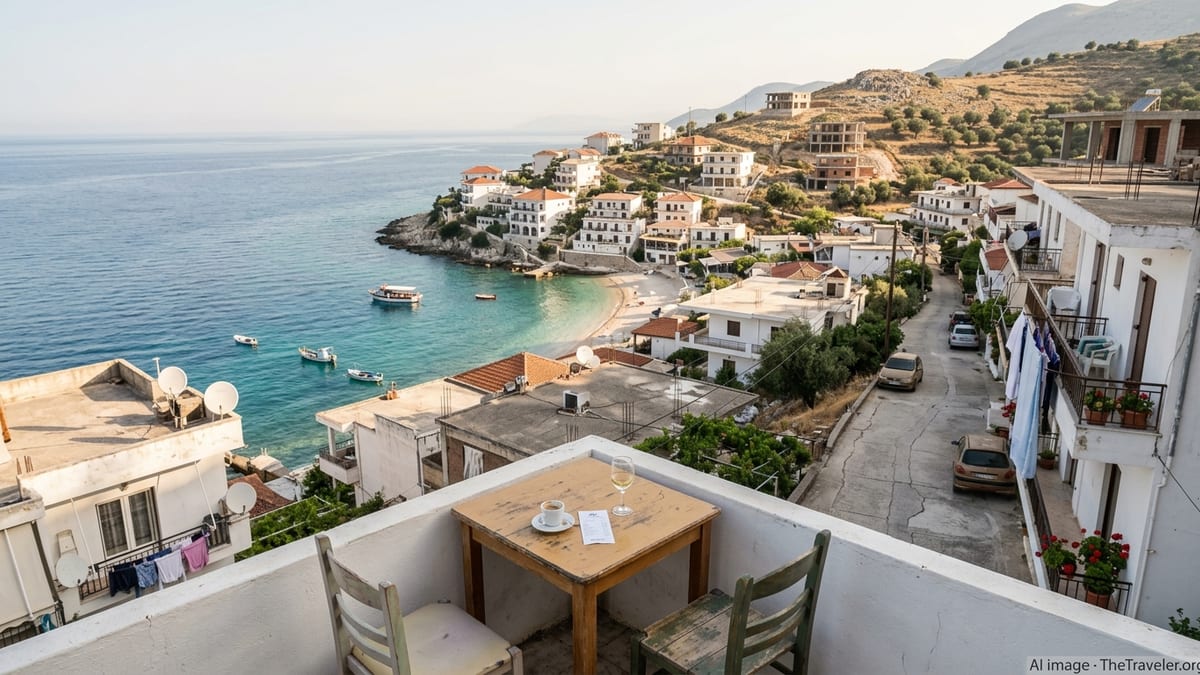
Discovering Europe’s “Too Cheap to Be True” Corner
My introduction to Albanian prices happened on a warm evening in Tirana’s Blloku district, where the streets are packed with cafes, bars, and restaurants that would not look out of place in Barcelona or Berlin. I sat down at a neighborhood place with checked tablecloths and a handwritten menu. Expecting central European prices, I ordered cautiously: a plate of qofte meatballs, a simple salad, and a beer. When the bill arrived, it came to roughly what I typically pay for a single craft beer in Brooklyn. In many casual restaurants in Tirana, a basic main can still come in around the local equivalent of 6 to 10 US dollars, and a draft of Tirana or Korça beer often costs a little more than a bus ticket back home.
As I moved on to Durrës on the Adriatic coast, that sense of disbelief kept repeating. A full dinner near the seafront, with grilled beef, salad, a side of fries, and a glass of wine, hovered somewhere in the mid-teens in euros for one person, even in 2025 and 2026 when much of Europe felt noticeably more expensive. On parts of the Albanian Riviera farther south, where development has been fastest, meals cost more but can still undercut similar experiences in Croatia or Greece by a wide margin. Travelers who budget 35 to 50 euros a day often find that it comfortably covers a guesthouse room, simple restaurant meals, local buses, and a beachside drink or two.
In the mountain villages of the north, where tourism has taken off more recently, the value is even starker. In Theth and Valbona, I paid for half-board stays in family guesthouses that included a bed, hearty home-cooked dinners, and big farmhouse breakfasts for less than what a basic hotel can cost in many Western European cities. You eat whatever the hosts are cooking that night: grilled lamb, stuffed peppers, homemade bread, and yogurt thick enough to stand a spoon in, all sourced locally and served around communal tables where hikers compare routes. Albania is, at first glance, that rare place where the cliché about “what Europe used to cost” still feels accurate.
But that first impression, while not wrong, hides a more complicated reality. Albania is cheap, yet it is not simply a paradise of low prices. The country’s affordability comes with quirks, gaps in infrastructure, and hidden costs that only surface once the initial glow of bargain dinners and budget-friendly guesthouses wears off.
How Albania Really Stacks Up on Costs
To understand why Albania feels so cheap, it helps to compare it with its neighbors. In summer along the Ionian coast, a pair of sunbeds and an umbrella on a popular beach in Albania might cost the equivalent of 10 to 20 euros for the day. Just across the water on certain Greek islands, the same setup can easily run double that or more, especially once you factor in the expectation that you will order drinks and snacks at higher island prices. The Albanian Riviera, from Himarë down to Ksamil, still sells Mediterranean sea views at a serious discount compared with Dalmatian or Cycladic counterparts.
Food is where most visitors feel the difference most sharply. In Albanian coastal towns, a seafood platter for two with a whole grilled fish, calamari, salad, and a carafe of house wine often comes to roughly what a single main course costs in a mid-range restaurant in Italy or France. Local tavernas in towns like Himarë commonly list mains in the low thousands of lek, which depending on the exchange rate translate to typical per person dinners, including a drink, that hover in the 15 to 25 euro range for generous portions. Move inland, and the numbers drop further, especially in smaller cities and rural areas where tourists are still a novelty.
Accommodation follows a similar pattern. In Tirana, smart boutique hotels have appeared around Skanderbeg Square, and prices have inched upward, but you can often still find modern double rooms with breakfast for much less than comparable stays in Western capitals. Along the coast, simple guesthouses and family-run hotels undercut the glossy resorts that have started appearing near Sarandë and in new developments, particularly if you are willing to walk a few minutes back from the waterfront. In interior towns like Berat or Gjirokastër, heritage guesthouses in Ottoman-era houses offer atmospheric stays, including breakfast, at rates that would be unthinkable in many better-known historic cities.
Transport is another reason Albania seems inexpensive. Intercity buses and furgon minibuses, though sometimes confusing to navigate, are very cheap by European standards. You can cross significant distances for the price of a short metro ride in London or Paris. Taxis, especially for airport transfers and longer intercity runs, can feel pricier by local standards but still often cost far less than equivalent journeys in Western Europe. Even ride-hailing services where available in Tirana generally remain manageable, particularly if you are sharing costs with travel companions.
The Catch: Infrastructure, Chaos, and the Hidden Price You Pay
The more time I spent in Albania, the more I realized that the low prices come with their own kind of cost. You pay not in euros or dollars, but in patience, planning, and sometimes comfort. The first sign came when my friend and I tried to pick up a rental car on the Riviera. The base daily rate looked incredibly affordable compared with what I was used to paying in Italy or Spain, especially in high season. But once we started reading the fine print, the math changed. Cleaning fees, charges for crossing borders, hefty penalties for taking the car on unpaved roads, and steep administrative fees for traffic or parking tickets all lurked in the terms.
Driving itself revealed another hidden price. Albania’s road network has improved dramatically, with new highways and the opening of a major tunnel on the southern coastal route making journeys quicker and safer. Yet outside the main arteries, potholes, sudden gravel stretches, and creative local driving habits add tension to every scenic detour. More than once we found the cheapest gas station only to realize the pump was cash only and the card terminal “temporarily not working.” Savings are real, but you invest attention and a measure of risk that you might not be used to in more polished destinations.
Then there are the small frictions that stack up. In Tirana, it is increasingly easy to pay by card at mid-range restaurants and chain supermarkets, but in smaller towns and family-run places on the coast, menus are priced in lek, and cash is still king. ATMs are widespread, yet many charge flat withdrawal fees that do not care whether you take out a little or a lot, turning frequent small cash withdrawals into another hidden cost. I learned to take out more than I was comfortable carrying in order to minimize fees, then spent evenings counting notes in my guesthouse room to make sure I had enough for the next day’s beach loungers, coffees, and bus tickets.
Public transport, while cheap, is not exactly frictionless. Schedules can be approximate, online information outdated, and departures sometimes depend more on when a minibus fills up than on a printed timetable. Long-distance routes now link most cities, but getting to smaller villages or remote trailheads may mean a patchwork of buses, taxis, and informal rides. When an intercity bus broke down on the way to Shkodër, we watched the driver and a few passengers improvise roadside repairs while the rest of us stood in the dust. No one seemed particularly surprised. Low prices often mean fewer backup options and less redundancy when things go wrong.
Overtourism, Beaches, and the Environmental Bill
The other catch is one you do not see on your receipt at all. Albania is experiencing a tourism boom, and the rapid growth has a visible impact on the landscape and local communities. In coastal hotspots like Ksamil, new hotels and apartment blocks have sprung up at a pace that locals still struggle to process. The beaches remain beautiful, with turquoise water and views across to Corfu, but in peak season they fill with rows of rental loungers, loud beach bars, and traffic jams that were unthinkable a decade ago.
Along much of the Riviera, development has outpaced planning. Driving south, I passed half-finished buildings perched on cliffs, ad hoc parking lots carved out of olive groves, and construction sites where workers hurried to get new properties ready before summer. Environmental groups in Albania have been sounding alarms about pressure on protected areas, wetlands, and national parks as the government courts more investment in high-end tourism projects. Rising visitor numbers bring vital income to a country that has long struggled economically, yet they also strain water supplies, generate more waste than local systems can handle, and accelerate erosion along fragile coastlines.
The result for travelers is a paradox. Albania remains far more affordable than many Mediterranean destinations, but some of the very places that drew early visitors with their pristine charm now feel more crowded and commercialized, particularly in July and August. In Ksamil, one local jokingly told me that the village had become “our little Santorini with Albanian prices,” a compliment and a warning at once. If you want the picture-perfect coves to yourself and the quieter, cheaper experience many blog posts still promise, you need to accept shoulder seasons, less predictable weather, and the occasional closed taverna.
Even in the mountains, where the air feels cleaner and mass tourism has been slower to arrive, there are signs of strain. Popular hiking routes in the Accursed Mountains now see lines of day hikers in high season, and guesthouses extend ever further into what used to be family farmland. Some trails show early signs of erosion, while rubbish accumulates at viewpoints and picnic spots. Albania’s low prices make it accessible to travelers who might otherwise skip expensive alpine destinations, but the country is still grappling with how to manage this influx sustainably.
The Human Side of “Cheap”
There is another side to Albania’s affordability that hit me during a conversation in a modest cafe in Berat. I was chatting with the owner, who proudly poured me a second glass of raki on the house after I complimented his wife’s stuffed eggplant. When I mentioned how inexpensive everything felt compared with home, he smiled and shrugged. For foreign visitors, he agreed, Albania is cheap. For many Albanians, though, eating out regularly is still a luxury, and prices in bigger cities, especially imported goods in supermarkets and rent in Tirana, have risen sharply relative to local wages.
In local markets, I watched older women carefully count out coins for vegetables, while tourists ahead of them in line casually handed over notes worth several times that amount without a second thought. Conversations with younger Albanians, many of whom have relatives working abroad, often turned to the rising cost of living, the gap between incomes and prices, and the feeling that their country is becoming more affordable for visitors than for its own people. To celebrate their own birthdays or anniversaries in the same trendy waterfront restaurants where tourists fill the tables, locals sometimes save up for weeks.
This disparity is baked into the experience of traveling in a “cheap” country. The espresso that costs you a fraction of what you would pay in Rome or Paris may already feel expensive to a local who remembers when it was half the current price. The bargain hotel deal that delights you might represent a pressure on long-term rental markets, especially in smaller towns where properties are converted into short-term stays. Seeing Albania only as a low-cost playground risks ignoring the economic tightrope on which many residents live.
Recognizing this does not mean refusing good value or endlessly second-guessing every purchase. It does suggest, though, that treating Albania purely as a bargain undermines a fuller, more respectful relationship with the place. You can still enjoy the low prices while tipping fairly, supporting small family businesses, and spreading your spending beyond the most obvious hotspots. It may cost you a little more, but that slight personal price helps preserve some of what makes the country so appealing in the first place.
How to Enjoy the Bargains Without Getting Burned
Traveling through Albania taught me that the key is not to chase the absolute lowest price at every turn, but to understand where cutting corners really does not pay. With car rentals, for instance, the cheapest headline rate is rarely the smartest choice. Look instead for clear insurance terms, reasonable deposit amounts, and straightforward policies on road use and border crossings. Paying a little more per day for a reputable agency can save you from unpleasant surprises like steep cleaning fees, off-road penalties, or inflated administrative charges for minor parking tickets.
When it comes to accommodations, balancing location and atmosphere often matters more than shaving a few euros off the nightly rate. In Tirana, staying slightly away from the noisiest nightlife areas can mean better sleep and more local flavor, without sacrificing the ability to walk everywhere. On the coast, consider family-run guesthouses in streets just behind the prime seafront strip. They often include homemade breakfasts featuring local cheese, jams, and seasonal fruit, and your money goes directly to families rooted in the area rather than to anonymous developers.
Food is where you can respect both your budget and the local economy with a few simple choices. Seek out restaurants where menus are in Albanian first with translations underneath, and where you see a mix of locals and visitors. Order the house wine rather than imported bottles, and try regional specialties that rely on local produce. In Tirana, that might mean a plate of fërgesë, a rich pepper and cheese dish, or tavë kosi, a baked lamb and yogurt casserole. On the coast, focus on the catch of the day rather than exotic seafood flown in from afar. These choices keep your costs low while supporting shorter supply chains and traditional food culture.
Perhaps the biggest way to avoid the human and environmental catch of Albania’s affordability is to travel thoughtfully in time and space. Visit in late spring or early autumn if you can, when beaches are quieter, trails less crowded, and accommodation rates softer. Allocate a few days to lesser-known inland towns and villages rather than hopping only between the coast and the capital. You will still benefit from Albania’s lower price level, but you will spread your impact and deepen your understanding of the country beyond the most Instagrammed corners.
The Takeaway
By the time I left Albania, the shock of low prices had faded into something more nuanced. Yes, this is still one of the cheapest places to experience Mediterranean beaches, dramatic mountains, and lively cities in a single compact trip. You can eat well, sleep comfortably, and move around the country on a budget that in many parts of Europe would barely cover accommodation alone. For cost-conscious travelers, Albania feels almost like a secret, especially if your point of comparison is the sticker shock of Italian gelato or Croatian seaside dinners in high season.
Yet the real story is not just that Albania is cheap, but that its affordability is intertwined with unfinished infrastructure, environmental pressures, and a domestic economy where many residents are feeling squeezed. The catch is not a single nasty surcharge or scam lurking around every corner, but a web of less visible costs that someone else often pays: the local driver dealing with bad roads, the family adjusting to higher food prices, the coastline absorbing the footprints of ever more visitors. When you visit, you benefit from the low prices; the responsibility is to make sure your presence does not deepen the bill others will have to settle later.
Traveling here with open eyes means accepting the bargains with gratitude, budgeting for the occasional unexpected fee or delay, and leaving a little extra in your wake: a decent tip, a night in a family guesthouse rather than an anonymous resort, a decision to visit outside the fiercest summer crush. Albania is much cheaper than people think, and that is part of its appeal. The travelers who will love it most are the ones who recognize that the true cost of a place is never written only on the menu.
FAQ
Q1. Is Albania really as cheap as people say for travelers?
Yes, for most visitors Albania is still significantly cheaper than many European destinations, especially for food, local transport, and guesthouse accommodation, though prices have been slowly rising.
Q2. How much should I budget per day in Albania?
A reasonable mid-range daily budget for one person, excluding flights, is often in the range where you can cover a private room, restaurant meals, buses, and small activities without feeling deprived.
Q3. Why is Albania cheaper than nearby countries like Greece or Croatia?
Albania’s lower wages, later development of mass tourism, and less mature infrastructure keep many prices below those in neighboring Mediterranean destinations, even as visitor numbers grow.
Q4. What are the hidden costs I should watch out for?
Hidden costs often appear in car rental terms, ATM withdrawal fees, occasional overcharging in very touristy beach areas, and the need for cash where cards are not accepted, which can increase bank charges.
Q5. Is it safe to rent a car and drive in Albania?
Many travelers rent cars without problems, but road conditions outside main highways, aggressive driving styles, and strict rental penalties for damage or off-road use mean you should drive cautiously and read contracts carefully.
Q6. Can I rely on card payments, or do I need cash?
In Tirana and major coastal towns, cards are increasingly accepted in hotels and mid-range restaurants, but smaller businesses and many beach and rural places still prefer cash in local currency.
Q7. When is the best time to visit Albania to avoid crowds and higher prices?
Late May to June and September to early October usually offer warm weather, fewer crowds, and softer prices than the peak of July and August, especially on the coast.
Q8. Is Albania’s tourism boom hurting the environment?
Rapid development, especially on the coast and around popular national parks, is putting pressure on ecosystems, so choosing locally owned stays and traveling in shoulder seasons can help reduce your footprint.
Q9. How can I make sure I am supporting local communities when I visit?
Stay in family-run guesthouses, eat at local restaurants, buy from neighborhood markets and artisans, and tip fairly when service is good so more of your money reaches residents rather than large outside investors.
Q10. Is Albania a good choice for first-time budget travelers to Europe?
Yes, Albania can be an excellent entry point for budget travelers, offering low costs and rich experiences, as long as you are flexible with transport, plan for occasional hiccups, and do not expect Western-style polish everywhere.