

More news on this day
Travelers across Asia faced long lines, missed connections and improvised overnight stays today as more than 3,000 flights were cancelled or heavily delayed across major hubs in Thailand, Japan, Hong Kong, mainland China, Malaysia and Türkiye, disrupting operations for carriers including Cathay Pacific, AirAsia, Malaysia Airlines and Pegasus Airlines.
Get the latest news straight to your inbox!
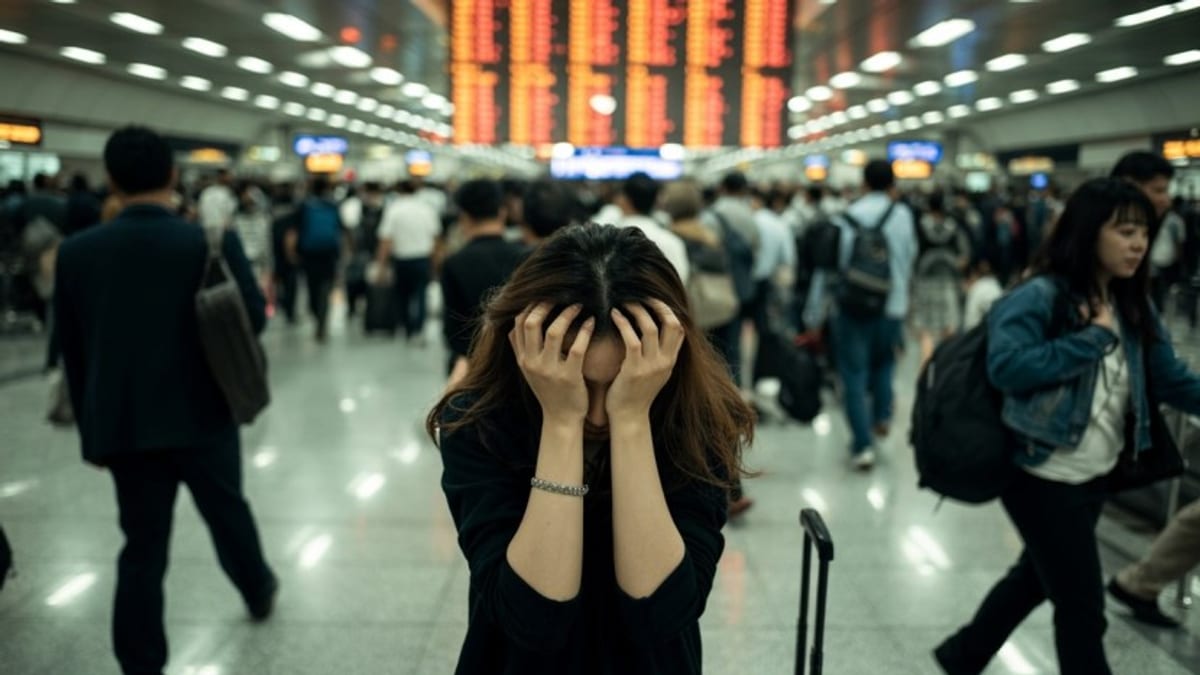
Image by Travel And Tour World
Widespread Cancellations And Delays Across Asian Hubs
Publicly available tracking data and regional media coverage indicate that a combined 307 flights were cancelled and at least 2,797 were delayed across Asian airports over the course of the day. The disruptions were concentrated at major international gateways serving Bangkok, Tokyo, Hong Kong, key Chinese cities, Kuala Lumpur and Istanbul, affecting both regional and long haul services.
Reports from airport information boards and flight tracking platforms show rolling delays building through the morning peak and cascading into the afternoon and evening waves. In several hubs, departure banks were thinned out as airlines preemptively scrubbed services they were unlikely to operate on schedule, in an effort to ease congestion on the ground.
The overall impact was felt most acutely by passengers in transit. Asia serves as a critical bridge between Europe, the Middle East and the Pacific, and many travelers connecting through Bangkok, Tokyo, Hong Kong and Kuala Lumpur found themselves stranded mid journey after missed onward flights and tight minimum connection times became unworkable.
In addition to cancellations and late departures, turnaround times for arriving aircraft lengthened as ground handling resources were stretched, compounding delays even for flights that eventually departed. This created a ripple effect across airlines networks, with knock on schedule changes predicted to last into the next operating day.
Major Airlines Struggle To Keep Schedules Intact
Airlines with large footprints in the affected hubs were among the hardest hit. Data compiled from airline status pages and airport boards show Cathay Pacific, AirAsia and Malaysia Airlines each cancelling or delaying multiple services as they tried to reposition aircraft and crews. Pegasus Airlines, which links Türkiye with destinations across Asia and Europe, also experienced significant disruption on routes touching Istanbul.
Low cost giant AirAsia, whose network is heavily centered on Kuala Lumpur and Bangkok, saw dense intra Asian timetables come under strain. When early morning departures left behind schedule, the knock on effect spread across its point to point network, with later flights from Thailand and Malaysia to Japan, China and regional holiday destinations pushed back by several hours.
Full service carriers such as Cathay Pacific and Malaysia Airlines likewise faced challenges maintaining connectivity for long haul passengers. Delays on inbound flights from Europe and North America into Asian hubs left insufficient time for passengers and baggage to be transferred to onward services. In some cases, airlines opted to hold connecting flights for late arriving passengers, while in others they reprotected travelers on later departures or alternate routings.
Turkey based Pegasus Airlines was reported to have trimmed some frequencies and retimed others on services linking Istanbul with Asian gateways. With Istanbul functioning as an important east west connection point for budget conscious travelers, schedule changes there added another layer of complexity for those already contending with disruptions further east.
Passengers Face Long Queues, Confusion And Mounting Costs
Across social media and traveler forums, passengers documented scenes of crowded terminals, long customer service queues and uncertainty about revised itineraries. Many travelers reported being given boarding passes only to see departure times repeatedly pushed back, while others described sprinting between gates as last minute aircraft swaps shifted flights to different stands.
Accommodation and meal arrangements varied significantly by location and airline. In some airports, passengers indicated they received hotel vouchers or meal coupons after lengthy delays. In others, especially where low cost carriers were involved, stranded travelers reported paying out of pocket for nearby hotels or opting to spend the night in terminal seating to avoid high last minute room rates.
Families traveling with young children and older passengers appeared particularly affected, as delays stretched into late night hours and early morning departures. Reports also highlighted challenges for passengers with complex itineraries, such as separate tickets on different airlines, who often had fewer rebooking options and faced additional charges when trying to piece together new routes home.
Travelers connecting between Asia and Europe or the Middle East were among the most vulnerable to missed flights. With limited spare capacity on many long haul routes during busy travel periods, rebooking could mean accepting travel dates several days later than originally planned or accepting reroutings through alternative hubs and carriers.
Operational And Weather Factors Behind The Disruption
While the full picture is still emerging, operational information and aviation data suggest a combination of factors behind the day’s upheaval. Localized weather issues at several airports, including periods of reduced visibility and storm activity, constrained runway capacity and forced temporary ground holds, leading to a buildup of departing aircraft.
At the same time, ongoing staffing constraints in ground handling, air traffic control and airport services at some hubs limited the ability to absorb sudden spikes in demand. When weather cleared, backlogs of aircraft waiting to depart competed for limited slots, resulting in airlines making tactical cancellations to keep the rest of their schedules moving.
Asia’s dense scheduling patterns, especially on busy short haul routes between Thailand, Malaysia, Japan, China and Hong Kong, leave little room for error. Once early flights are pushed back, aircraft and crew rotations quickly fall out of sync, and the effects can persist long after the original trigger such as a storm cell or temporary airspace restriction has passed.
Industry analysts note that as airlines have rebuilt their networks, many are running fleets close to full utilization. That strategy maximizes revenue in normal conditions but offers less flexibility to recover when irregular operations occur, particularly at multi runway hubs where demand is already high.
What Travelers Can Expect In The Coming Days
By late evening, schedules at several affected airports showed signs of gradual stabilization, though large numbers of delayed flights were still listed as “estimated” rather than “on time.” Based on patterns observed in previous major disruption days, operational experts expect residual delays and isolated cancellations to continue into at least the next day as airlines reposition aircraft and crews.
Publicly accessible advisories from airlines and airports consistently urge passengers to monitor their flight status closely, use official mobile apps where available and allow additional time for check in and security. Travelers booked on tight same day connections, especially those involving multiple carriers or self connecting itineraries, are being encouraged to explore options for longer layovers or alternative routings.
Travel insurance policies that include coverage for delays and missed connections may offer some financial relief, although eligibility often depends on specific policy wording and documentation of the disruption. Consumer advocates in several countries highlight the importance of keeping receipts for meals, hotels and ground transport booked because of irregular operations.
With Asia remaining one of the world’s busiest and most interconnected aviation regions, today’s events underscore the vulnerability of tightly wound schedules to cascading disruption. For passengers passing through Bangkok, Tokyo, Hong Kong, key Chinese hubs, Kuala Lumpur and Istanbul in the coming days, careful planning and flexibility are likely to be essential.