

More news on this day
As bookings surge for summer 2026, travel reports point to a shift away from familiar Mediterranean hotspots toward cooler, culture-rich cities and emerging coastal regions across Europe.
Get the latest news straight to your inbox!
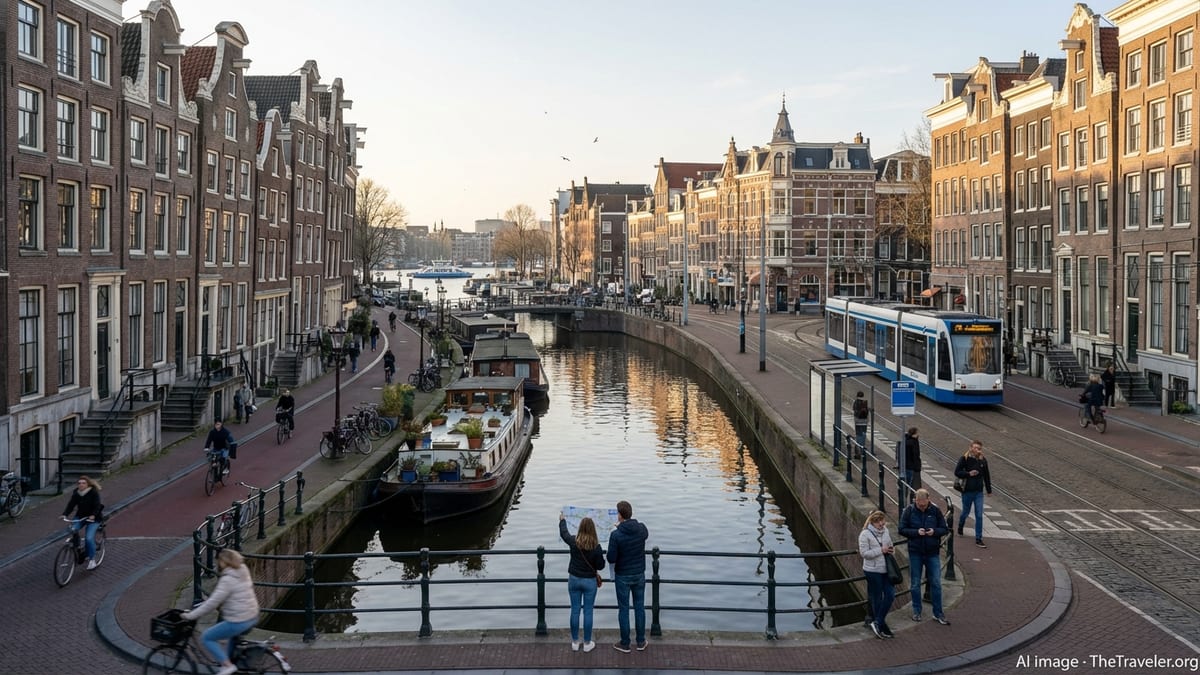
Oulu, Finland: Cool-Climate Culture on the Baltic
Oulu, a university city on Finland’s northwestern coast, is preparing for a high-profile moment as a designated European Capital of Culture in 2026. Publicly available information on the initiative highlights a multi-year program that will bring large-scale exhibitions, festivals and cross-border projects to the city and surrounding region. For summer visitors, that means an unusually dense cultural calendar layered onto long sub-Arctic days and milder temperatures that appeal to travelers seeking to escape southern Europe’s peak-season heat.
Beyond headline events, Oulu’s draw lies in its blend of waterfront industry, tech-driven creativity and easy access to nature. Urban beaches along the Gulf of Bothnia, cycling paths through pine forest and nearby archipelago islands position the city as a “coolcation” choice that matches broader 2026 travel trends identified by European media, where travelers look for restorative breaks with lower temperatures and strong local identity.
The capital-of-culture program is also expected to extend activities across Northern Ostrobothnia, encouraging visitors to explore smaller communities and landscapes beyond the city center. This diffusion of tourism aligns with policy discussions in Europe about easing pressure on traditional hubs while supporting regional economies and cultural initiatives.
Albanian Riviera: The Mediterranean’s Value Hotspot
Once a niche choice, Albania’s Ionian coastline is now widely cited in travel industry reports as one of Europe’s fastest-growing tourism markets. Coverage in travel and aviation outlets describes double-digit increases in arrivals and rapid infrastructure investment, including the new Vlora International Airport, which began operations in 2025 and is expected to simplify access to the southern coast in time for the 2026 summer season.
The Albanian Riviera offers many of the elements travelers associate with more established Mediterranean destinations: clear water, pebble and sand beaches, mountain backdrops and historic stone towns. However, industry analysis notes that costs for accommodation and dining generally remain below those in neighboring Greece and Italy, which is drawing price-sensitive European families and younger travelers. Reports from European media in early 2026 also highlight a broader shift toward the western Balkans as an alternative to crowded classic resorts.
Concerns about overtourism and climate resilience along parts of the Mediterranean are prompting some visitors to seek out less developed stretches of coast. In this context, towns such as Himarë and the area around Saranda are being promoted as “last-chance” spots to experience a more traditional Adriatic summer while large-scale developments are still in their early stages. Travel analysts caution, however, that the pace of construction and seasonal traffic can make conditions change quickly from one year to the next.
Greek Islands Beyond the Big Names
Tour operator data for summer 2026 shows that Greece remains among the top three choices for German travelers, one of Europe’s largest outbound markets, reinforcing the country’s status as a reliable summer favorite. While international attention often focuses on Mykonos and Santorini, booking trends and specialist travel coverage indicate growing interest in lesser-known islands and regions that promise more space and lower prices.
Dodecanese and Northern Aegean islands such as Kos, Samos and Lesvos are seeing increased capacity from European tour operators and airlines. These destinations combine beaches and traditional villages with UNESCO-listed heritage, wetlands and hiking trails, tapping into demand for trips that mix sun with low-intensity outdoor activities. Reports on 2026 travel trends also note a broader move toward “sight-doing” rather than passive sightseeing, which benefits islands that can offer sailing, coastal walking and local food festivals through the long summer season.
Greek tourism officials and regional councils have, in recent years, emphasized efforts to spread visitor numbers beyond a small group of saturated islands. For 2026, the pattern of early bookings in secondary hubs suggests that travelers are increasingly willing to trade famous skyline views for quieter bays, island-hopping itineraries and mid-range family resorts on less publicized shores.
Valencia, Spain: Sustainable Sun on the Mediterranean
Valencia, on Spain’s eastern coast, has consolidated its reputation as a cultural and culinary destination after years of investment in waterfront renewal, green space and public transit. International travel coverage, including annual “places to go” lists, has repeatedly featured the city for its combination of beaches, contemporary architecture and a compact historic center, and it continues to appear in 2026-focused destination roundups as travelers look for urban stays with easy access to the sea.
Recent reporting on Spanish tourism trends points to the wider Valencia region, including the Costa del Azahar, as a beneficiary of travelers reconsidering more saturated parts of the Costa del Sol and Balearic Islands. The city’s network of bike lanes, Turia riverbed park and focus on sustainable mobility is frequently cited in coverage as a model for balancing tourism growth with quality of life for residents, something that has become a key decision factor for many international visitors.
For summer 2026, Valencia stands out for its ability to package multiple experiences into a single trip: cool tiled markets, avant-garde museums, beach clubs within a short tram ride and day trips to rice paddies and wetlands in Albufera Natural Park. With high-speed rail links to Madrid and Barcelona and a relatively compact airport, it fits neatly into the “hotel hopping” and multi-city itineraries that online travel platforms describe as one of the season’s defining European travel behaviors.
Trenčín, Slovakia: A Central European Hidden Gem
While coastal destinations dominate many summer wish lists, central Europe is poised to attract more visitors in 2026, partly driven by cost-of-living considerations and interest in cooler inland cities. Trenčín, in western Slovakia, is one to watch. It shares the European Capital of Culture 2026 title with Oulu, and official program documents outline a year-long series of cultural projects that extend into the river valleys and smaller towns of the region.
Trenčín’s compact old town, dominated by a hilltop castle above the Váh River, offers a walkable setting for open-air performances, pop-up galleries and night-time events planned for the culture year. Media reports on central European travel trends suggest that cities like Trenčín are benefiting from rail-led itineraries that string together stops in Prague, Vienna, Bratislava and Kraków, as travelers take advantage of dense train networks and lower average prices for food and lodging.
With nearby thermal spas, hiking in the Strážov Mountains and cycling routes along the river, Trenčín aligns closely with the 2026 preference for trips that combine culture and nature without long internal flights. As more program details for the Capital of Culture year are published through 2025 and early 2026, industry observers expect the city’s profile to rise, particularly among European travelers looking for an alternative to established summer city-break destinations.