

More news on this day
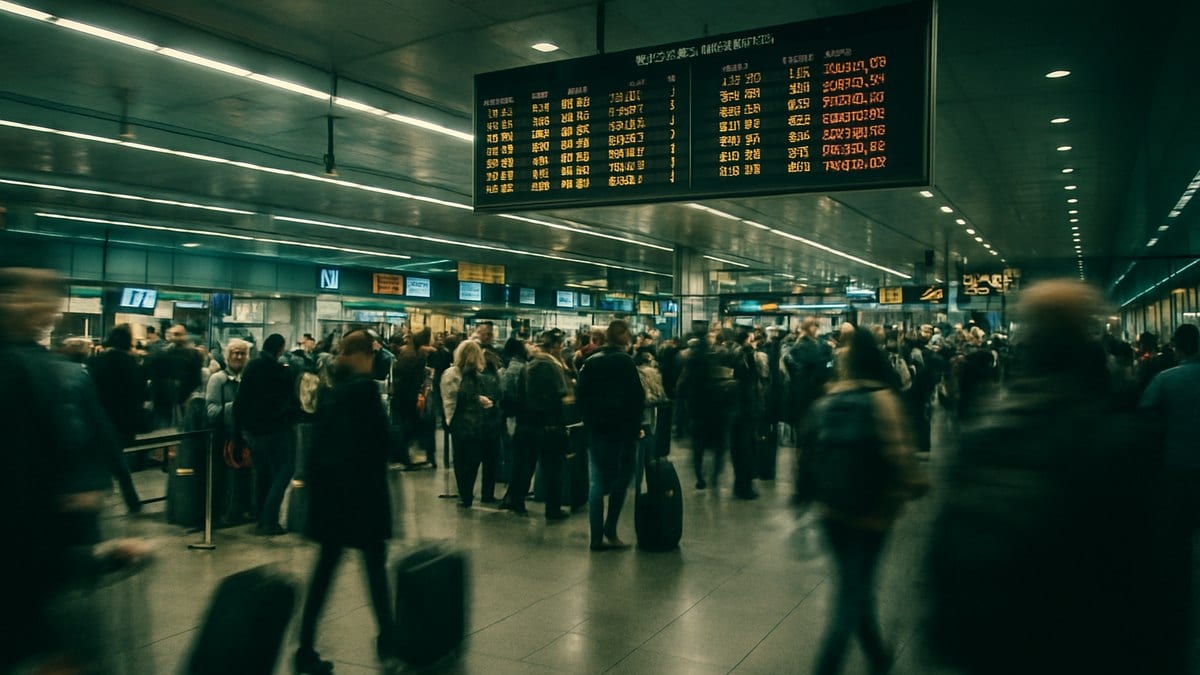
Toronto Pearson International Airport faced another day of significant disruption on April 9, as more than 95 delayed departures and 14 cancellations contributed to a fresh wave of travel turbulence across North America.
Get the latest news straight to your inbox!
Fresh Disruptions at Canada’s Busiest Hub
Publicly available flight-tracking data and airport operations reports indicate that Toronto Pearson again ranked among the most affected airports in the region, with over 95 flights delayed and at least 14 cancelled over the course of Thursday’s schedule. The figures add to a week of elevated disruption levels at major Canadian gateways.
Recent tallies from industry and travel outlets show that Pearson has recorded triple‑digit delay totals on several consecutive days, including more than 160 delays and around 18 cancellations on April 8, followed by another substantial round of schedule changes on April 9. These spikes have come on top of earlier weather‑related events in early April that disrupted hundreds of flights nationwide.
Operational data compiled from carrier schedules suggest that a mix of domestic and transborder services were impacted, with knock‑on effects for connections to and from the United States and Mexico. Delays ranged from short holds at the gate to multi‑hour setbacks as airlines adjusted rotations and crew assignments.
While the latest disruption did not reach the extreme levels seen during major winter storms earlier in the year, the concentration of delays and cancellations at Pearson underlined the airport’s role as a pressure point in Canada’s aviation network.
Weather, Congestion and Staffing Combine
Published coverage from aviation and travel analysts links the latest wave of disruption to a combination of lingering spring weather systems, high traffic volumes and ongoing staffing and resource constraints. Earlier in April, a late‑season winter storm brought snow, freezing rain and low visibility to parts of Ontario and Quebec, forcing airlines to trim schedules and slow operations.
Although conditions had improved by April 9, recovery from those earlier storms has remained fragile. When aircraft and crews start the day out of position, subsequent flights are more vulnerable to even minor delays. Analysts note that this creates a cascading effect at major hubs such as Pearson, where a single late‑arriving aircraft can impact several onward segments.
Travel industry commentary has also pointed to ground‑side pressures, including security and customs bottlenecks that can lengthen turnaround times. In recent months, consumer reports and aviation watchdogs have highlighted concerns about staffing gaps at checkpoints and the strain of record or near‑record passenger volumes moving through large North American hubs this spring.
The result, according to operational snapshots from multiple airports, is a pattern where relatively modest weather or air traffic control constraints can still generate disproportionate disruption, particularly at peak travel periods and on busy trunk routes.
Ripple Effects Across North American Routes
The impact of Pearson’s disruptions extended well beyond the Greater Toronto Area. Published flight‑tracking data and media analyses show that delays and cancellations radiated through networks serving major U.S. hubs, including New York, Chicago and Orlando, as well as Canadian and Caribbean destinations.
Several of the affected flights on April 9 linked Toronto with U.S. and Mexican resort cities, as well as key domestic centers such as Calgary and Montreal. When departures from Pearson pushed back late or failed to operate, passengers en route to connecting flights across North America faced missed connections, rebookings and overnight stays.
Industry reports over the Easter and early April period describe sustained strain on the broader North American travel system, with more than 15,000 delays and thousands of cancellations over several days during peak holiday travel. Pearson’s latest figures fit into that wider pattern, in which disruption at one or two large hubs can quickly propagate through airline networks on both sides of the border.
As aircraft and crews circle back into position over the coming days, observers expect residual delays to linger on some routes, particularly early morning and late‑night services that depend heavily on aircraft arriving on time from previous legs.
Passengers Navigate Rights, Rebookings and Long Waits
For travelers caught in Thursday’s disruption, the immediate challenge has been navigating rebookings, duty‑of‑care provisions and compensation rules. Public guidance from government agencies and consumer advocates emphasizes that Canadian regulations require airlines to provide certain forms of assistance, such as food and accommodation, depending on the length of delay and the cause.
Air travel rights specialists note that when delays or cancellations are within an airline’s control, passengers may be eligible for monetary compensation in addition to rerouting. However, when weather or broader safety‑related air traffic measures are involved, obligations can be more limited, often centering on rebooking on the next available flight and providing basic care during extended waits.
Reports from recent disruption events suggest that airport customer service lines and call centers can become quickly overwhelmed during peak irregular operations. Travelers at Pearson and other affected hubs have increasingly been encouraged by consumer groups to use mobile apps and websites to monitor flight status, join standby lists and request refunds or vouchers where applicable.
Travel planners also recommend that passengers keep records of expenses, such as meals and ground transport, incurred during long delays, as these may be necessary when seeking reimbursement or filing claims with airlines or third‑party assistance firms.
Ongoing Questions About Resilience at Pearson
The latest round of disruptions has renewed attention on the resilience of operations at Toronto Pearson, which handles tens of millions of passengers annually and is frequently cited among the busiest airports in North America. Recent surveys and performance rankings have placed Pearson near the bottom of some on‑time arrival and passenger satisfaction tables, underscoring long‑standing challenges.
Airport briefings and public documents released over the past year acknowledge that a complex mix of factors influences reliability, including aging infrastructure, capacity constraints on runways and taxiways, and the knock‑on effects of airline scheduling decisions. The rebound in post‑pandemic demand has also tested staffing levels across airlines, ground handlers and federal agencies.
Aviation analysts argue that the pattern seen in early April, where a series of weather‑linked events escalated into multi‑day disruption at Pearson and other Canadian hubs, reflects a broader North American trend. A tightly scheduled, high‑utilization system leaves limited slack to absorb shocks, whether those come from storms, equipment issues or surging holiday traffic.
With the busy summer season approaching, observers suggest that Pearson’s performance over the coming weeks will be closely watched by travelers and the industry alike. The airport’s handling of episodes such as the April 9 disruption is likely to shape public perception and inform future debates about investment, staffing and scheduling practices across Canada’s largest air gateway.