

More news on this day
Airline strikes and staffing disputes at several major European carriers, including Lufthansa, easyJet and SAS, have triggered a fresh wave of travel disruption across the continent, with reports indicating 79 flights canceled and many more delayed at key hubs in Germany, Denmark, Greece and Spain.
Get the latest news straight to your inbox!
Ripple Effects Across Major European Airports
Operational snapshots compiled by aviation industry trackers show that disruptions are concentrated at large hubs such as Frankfurt, Munich, Copenhagen and popular leisure gateways in Spain and Greece. Recent data highlighted 79 cancellations and a cluster of delays involving Lufthansa, easyJet, SAS and partner operators, leaving passengers facing last minute changes to their itineraries.
Published coverage indicates that Germany has been among the hardest hit, with Frankfurt and Munich in particular experiencing a wave of grounded services as walkouts coincide with an already busy spring travel period. The situation has been compounded by earlier industrial actions affecting Lufthansa’s cabin crew and regional operations, which had already stretched the carrier’s schedules and rebooking capacity.
Scandinavian routes have also been affected, with SAS services from Denmark and other Nordic gateways impacted as crews push for improved working conditions and pay alignment with competitors. These actions add to a broader pattern of disruption in northern Europe, where staffing shortages and wage disputes have surfaced repeatedly since air travel demand rebounded.
Across southern Europe, easyJet schedules from Spanish and Greek holiday airports have recorded cancellations and extended delays, particularly on short haul leisure routes linking to Germany, the United Kingdom and the Nordic region. Travel industry reports describe stranded tourists queueing for rebooking desks and seeking alternative connections via secondary airports.
Strikes, Wage Disputes and Staffing Shortages
According to publicly available information, the latest disruption reflects a combination of strike action by airline staff, disputes over pay and conditions, and lingering post pandemic staffing gaps. Lufthansa has been engaged in tense negotiations with unions representing cabin crew and pilots, with workers seeking higher compensation and greater job security as inflation and living costs rise across Europe.
Similar pressures are visible at easyJet, where operational performance has periodically been undermined by shortages of crew and ground staff, especially during peak holiday seasons. Industry analysis notes that even modest walkouts or localized shortages can quickly cascade into widespread delays when airlines are operating at near full capacity.
SAS has been restructuring its business as it navigates financial challenges and competitive pressure from low cost carriers. Pilots and cabin crew have previously warned that cost cutting and revised rostering were stretching resources, and recent work stoppages reflect ongoing tension over how the airline’s recovery is being managed.
Aviation observers point out that these labor disputes are unfolding in a market where passenger demand is close to or above pre pandemic levels on many routes. Airlines are attempting to rebuild profitability while keeping ticket prices competitive, leaving little slack in schedules to absorb disruption when staff lay down tools.
Thousands of Passengers Stranded or Rebooked
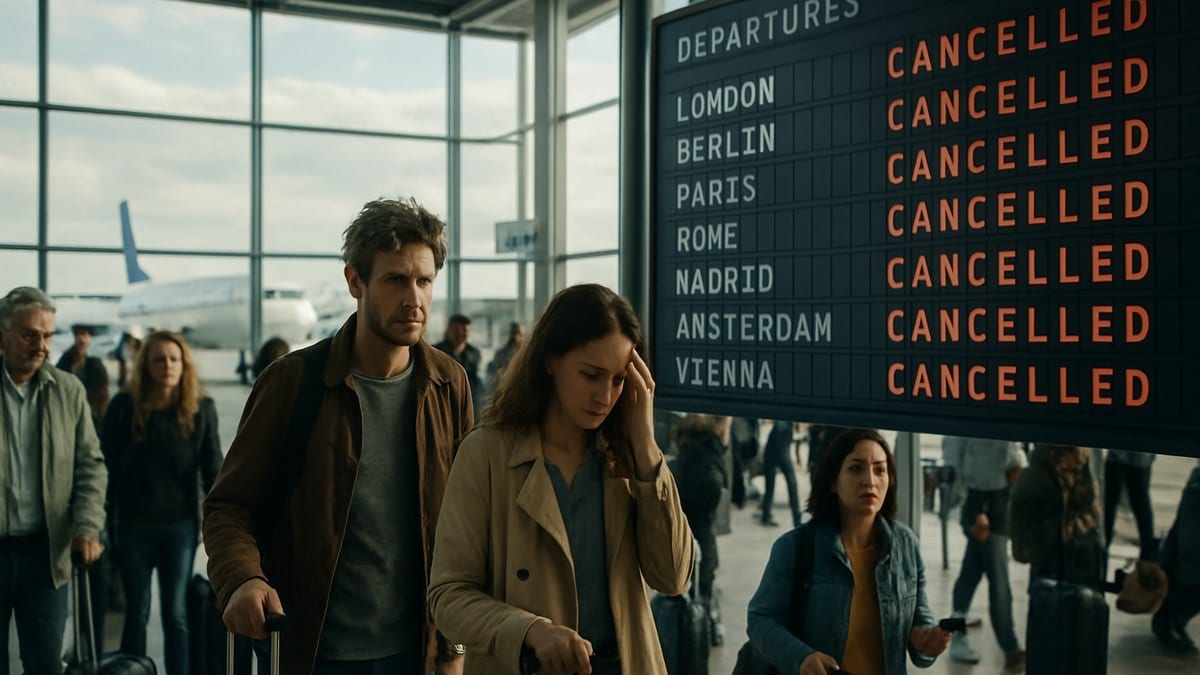
Travel and tourism outlets describe scenes of crowded terminals, long customer service lines and departure boards filled with cancellations at several European airports as the strikes take hold. The 79 flights reported canceled represent only part of the overall impact, as hundreds more services have been delayed, rerouted or consolidated to manage crew availability.
In Germany, reports indicate that tens of thousands of passengers have faced cancellations or severe delays on Lufthansa and associated carriers in recent days, many of them mid journey on connecting itineraries. With Easter and spring holidays in full swing, families and leisure travelers have been particularly exposed, sometimes forced to extend stays or purchase last minute rail and bus tickets.
In the Nordic region, SAS customers have reported missed connections in Copenhagen and other transit hubs as cancellations ripple through the network. Meanwhile, easyJet passengers flying between northern Europe and Mediterranean destinations have encountered rolling delays as crews and aircraft are repositioned.
Travel forums and consumer advocacy groups note that some travelers have been rebooked on alternative airlines or routed through secondary airports, but capacity constraints mean others are waiting days for the next available seat. Hotel stays, additional transport costs and missed events are emerging as common complaints in the latest wave of disruption.
What This Means for Summer Travel Planning
While the current figures relate to a specific snapshot of 79 cancellations linked to strike related disruption, analysts warn that the underlying drivers could persist into the peak summer season if agreements are not reached. Negotiations between unions and airline management at Lufthansa, easyJet and SAS remain fluid, and additional ballots for industrial action are possible if talks stall.
Industry commentators suggest that travelers planning trips within Europe in the coming months should anticipate potential disruption, especially on routes operated by carriers currently in dispute or at airports that have already experienced repeated strike related delays. Some advisories recommend choosing earlier departures in the day and allowing longer connection times to reduce the risk of misconnecting.
Travel insurance that specifically covers strike related disruption is also drawing renewed attention. Policies vary significantly, and specialists emphasize the importance of checking whether cancellations due to airline or air traffic control strikes are included, and what documentation is required to support a claim.
Consumer rights organizations continue to highlight that European Union regulations provide significant protections for passengers whose flights are canceled or heavily delayed. Depending on the cause of disruption and the notice period, travelers may be entitled to rerouting, refunds and in some cases financial compensation, although eligibility can be complex in cases involving third party strikes or extraordinary circumstances.
How Airlines and Airports Are Responding
Publicly available statements from affected airlines indicate that carriers are attempting to stabilize operations by consolidating lightly booked flights, deploying larger aircraft on some routes and prioritizing key long haul services. Lufthansa has emphasized in recent updates that it is focusing resources on maintaining a core schedule from its Frankfurt and Munich hubs while rebooking disrupted passengers as capacity allows.
EasyJet has highlighted efforts to use digital tools and mobile apps to notify passengers of cancellations and offer rebooking options or vouchers. SAS, for its part, has pointed to its ongoing restructuring plan and has indicated in recent communications that it is working to minimize the impact of industrial action on its core Scandinavian network.
Airport operators across Europe are coordinating with airlines and ground handling companies to manage passenger flows during strike days, including deploying additional staff at security checkpoints and information desks where possible. However, with many airports also facing their own staffing constraints, there are limits to how much support they can provide when a significant share of flights is canceled at short notice.
Aviation analysts say the latest wave of disruption underscores how vulnerable Europe’s interconnected air travel system remains to labor disputes and staffing imbalances. With multiple carriers and countries involved, a relatively small number of strikes at key hubs can quickly evolve into continent wide travel chaos, as illustrated by the 79 cancellations and widespread delays now affecting travelers across Germany, Denmark, Spain and Greece.