

Mexico has become one of the world’s most popular destinations, and the way visitors pay has changed just as quickly as its tourism industry. Contactless terminals now sit alongside cash-only street stalls, and foreign travelers routinely tap, dip or swipe their way through beach towns and colonial cities. Choosing the right travel credit card, and knowing how to use it, can make the difference between a smooth, rewarding trip and a vacation quietly eroded by fees and fraud headaches.
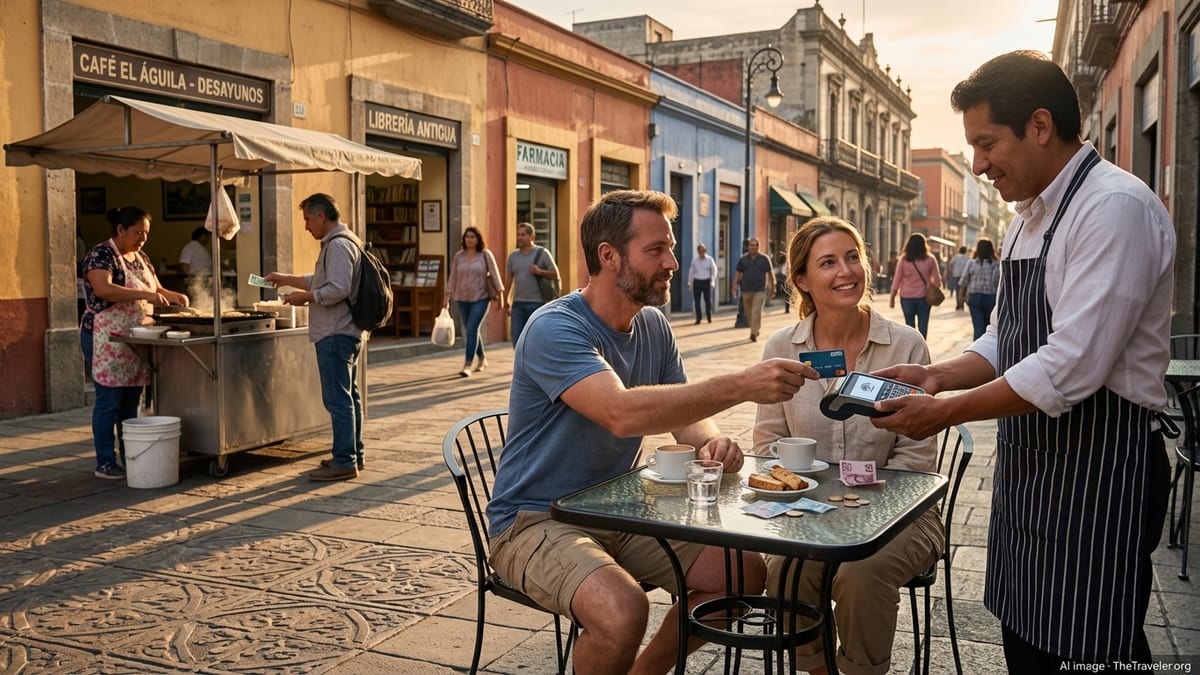
How Mexico Is Changing The Way Visitors Pay
Paying in Mexico is no longer just about wads of pesos. While the country still has a strong cash culture, card and digital payments have expanded quickly in recent years, particularly in cities and major resort areas. Industry reports show that contactless payments have surged, with banks and tourism authorities noting strong growth in card spending by international travelers. In practice this means that hotels, mid to high-end restaurants, supermarkets, major attractions and ride-hailing apps almost always take credit cards, and often support tap-to-pay.
The picture is more mixed once you move to beach shacks, small family-run guesthouses, local buses and rural markets. Many of these still prefer cash, or accept cards only reluctantly because of processing fees. Travelers need to be prepared for both worlds: a modern, increasingly cashless Mexico in big hubs such as Mexico City, Guadalajara, Cancun and Puerto Vallarta, and a more traditional, cash-focused one in smaller pueblos and off-the-beaten-path destinations.
For visitors, the upside of this shift is convenience and security. Using a credit card for hotels, car rentals and higher-value purchases reduces the need to carry large amounts of cash and often unlocks travel protections. At the same time, it introduces a new set of considerations: foreign transaction fees, dynamic currency conversion, card network acceptance and fraud risks. The right travel credit card can turn those challenges into advantages.
Credit card issuers and payment networks have leaned into Mexico’s growth as a tourism powerhouse, promoting cards with no foreign transaction fees and robust fraud monitoring. Many large banks now treat international travel as routine, so cards tend to work smoothly without advance notification, although keeping your issuer updated on your contact details remains important in case they need to verify unusual activity.
What Makes a Credit Card “Work Best” in Mexico
No single card is perfect for every traveler, but a few features matter more than others in Mexico. First is the foreign transaction fee. Many general-purpose cards still charge a percentage on purchases made in another currency. It is common for this surcharge to run a few percent of each transaction, which quietly inflates the cost of every meal and museum ticket. Travel-focused cards that waive this fee are usually a better fit for Mexico, especially on longer trips or for repeat visitors.
Reward structure is the second pillar. Cards that earn elevated rewards on travel and dining can be particularly attractive for time in Mexico, where a large share of spending goes to hotels, flights, restaurant meals, rideshares and tours. Some popular travel cards also treat spending in foreign restaurants and hotels as bonus-eligible, which can accelerate the pace at which you earn points or miles. For light travelers who value simplicity, a flat-rate cash back card with no foreign transaction fees can be just as effective.
Acceptance is another key factor. Visa and Mastercard are widely accepted throughout Mexico in businesses that take cards at all. Large hotels and international car rental desks may also accept major co-branded cards from airlines or hotel chains. Where problems surface is in very small businesses, fuel stations in remote stretches, and older terminals that may only process chip-and-PIN transactions reliably. While most modern American-issued travel cards use chip-and-signature or support mobile wallets, having a physical card with a functioning chip remains essential.
Finally, look at safety and service. Cards that offer real-time transaction alerts, responsive fraud departments and zero-liability protection can significantly reduce the stress of traveling with plastic. Some premium cards add travel insurance, trip delay coverage, rental car collision coverage and lost luggage reimbursement when you pay with the card, which can be especially valuable on multi-leg itineraries around Mexico’s coasts and interior.
No Foreign Transaction Fee: The Single Biggest Win
For most travelers, the most important feature of a card used in Mexico is the absence of foreign transaction fees. These fees are typically structured as a percentage of the total amount in pesos converted into your home currency. Over the course of a week or two, this can quietly add up to the cost of a nice dinner or even a domestic flight. Choosing a card that waives this surcharge means you can use it freely without mentally discounting every purchase.
Many travel rewards and some cash back cards marketed in the United States now advertise no foreign transaction fees. They span a range of annual fees, from no-fee options aimed at occasional travelers to premium products geared to frequent flyers. The choice between them depends not just on how often you visit Mexico but also on how much you value lounge access, travel credits and elite-like benefits versus keeping annual costs low.
It is also worth checking how your card classifies different types of Mexican spending in its rewards program. Some issuers treat purchases from Mexican airlines, domestic hotel chains and intercity bus companies as “travel” for bonus purposes, while others do not. That can affect the value of points you earn on trips that hop between destinations such as Mexico City, Oaxaca and the Yucatan Peninsula. When in doubt, assume only clearly travel-coded merchants and recognizable hotel and airline brands will trigger extra rewards.
Even once you have a card with no foreign transaction fee, the exchange rate you effectively receive can be influenced by how and where you pay. This is where understanding dynamic currency conversion and ATM practices in Mexico becomes critical, because the wrong choice at the terminal can erase much of the benefit of a well-chosen card.
Avoiding Hidden Costs: Dynamic Currency Conversion and ATMs
One of the most common traps facing visitors in Mexico is dynamic currency conversion. When you present a foreign card, some payment terminals and ATMs will offer you a choice to pay in your home currency rather than in Mexican pesos. It often appears to be a friendly, transparent option, letting you see exactly what will be charged in dollars. In reality, the exchange rate baked into this service is usually much worse than the rate your bank would apply if you simply paid in pesos.
The safest rule is simple: whenever a terminal in Mexico asks whether you want to pay in your home currency or in pesos, choose pesos. Likewise, at ATMs, decline any offer to have the machine’s operator handle the conversion. By letting your own bank or card network do the math, you usually obtain a rate closer to the market rate and avoid an extra markup that can range from modest to surprisingly steep. Travelers who routinely accept dynamic currency conversion may find that their budget stretches noticeably less far than expected.
ATMs themselves are a useful way to obtain pesos, especially in cities and tourist centers. However, they come with their own layers of fees. You may pay a flat fee to the ATM operator, plus a potential fee from your home bank, and possibly a foreign transaction surcharge if you withdraw using a card that is not designed for international use. Some banks and credit unions reimburse certain ATM charges worldwide, but benefits vary widely, so it pays to read the fine print before departure.
To limit costs, many experienced travelers favor withdrawing a moderate amount of pesos at a time from ATMs located inside banks or busy shopping centers during business hours. Machines inside bank branches are more likely to be monitored and are usually better protected against skimming devices. That approach can combine safety with reasonable exchange rates, especially when used with a debit or ATM card that has low or reimbursed fees for international withdrawals.
Where Cards Shine And Where Cash Still Matters
In practice, the best results in Mexico come from using your travel credit card strategically rather than universally. Large expenses such as hotels, rental cars, domestic flights, long-distance buses, major attractions and sit-down meals in established restaurants are good candidates for card payments. Here you can leverage your no-foreign-fee card to earn rewards, tap into travel protections and reduce the amount of cash you need to carry at any one time.
Credit cards also work well in many chain supermarkets, department stores, pharmacies and convenience stores in cities and big resort areas. In places that have embraced contactless and QR-based payments, you may also be able to use mobile wallets linked to your primary travel card, which allows you to keep the physical card safely stored away. This is particularly handy in busy urban settings where petty theft is a concern, as you can pay with your phone or watch instead of pulling out a wallet.
Cash remains king in other settings. Street food vendors, small family-run fondas, open-air markets, colectivos and local buses, many beach clubs, independent tour guides and some budget guesthouses still prefer or accept only pesos. In rural areas and smaller towns, network outages or older terminals may mean card payments are not possible even when there is a nominal card reader on the counter. Having a cushion of pesos on hand makes these experiences easier and often unlocks better prices.
The balance between card and cash can also vary by region. Mexico City and major resort corridors on both coasts tend to be more card-friendly. Popular but still developing beach towns, mountain villages and archaeological sites with limited infrastructure may lean more heavily on cash. Building a flexible payment strategy that assumes you will use both a travel card and pesos will serve you better than expecting to pay exclusively by card.
Security, Skimming And Smart Card Habits
As card usage has grown in Mexico, so have concerns about fraud and skimming. Security advisories and traveler reports regularly mention incidents in which card details are captured at tampered ATMs or copied when cards are taken out of sight in restaurants and shops. While most major issuers provide robust zero-liability protection and sophisticated fraud monitoring, dealing with unauthorized charges in the middle of a trip is still a hassle.
A few simple habits can meaningfully reduce your risk. Whenever possible, use ATMs inside bank branches, malls or supermarkets, rather than machines sitting alone on sidewalks or in hotel lobbies. Before inserting your card, inspect the machine for loose or misaligned parts around the card slot and keypad, and use your hand to shield your PIN. Configuring transaction alerts in your banking app can help you spot suspicious activity quickly and take action.
At restaurants and smaller businesses, it is increasingly common for staff to bring a portable payment terminal to your table so your card never leaves your sight. Where that is not the norm, it is reasonable to ask if you can pay at the counter. If a card must be taken away, keep your card number and customer service phone number stored separately so that you can call your issuer immediately if something seems wrong afterward.
Carrying at least one backup credit card stored in a different place from your main wallet can be a valuable safety net in Mexico. If a machine swallows your primary card or your issuer blocks it due to suspected fraud, having a second card with no foreign transaction fees can keep your trip running smoothly. Some travelers also bring a separate low-limit card specifically for ATM withdrawals or for use in higher-risk environments, reserving their main rewards card for hotels and larger, trusted merchants.
Using Digital Wallets And Contactless Payments
Mexico’s embrace of contactless and digital payments has accelerated, particularly in tourist-heavy corridors and major cities. Banks, convenience store chains and transport systems have rolled out tap-to-pay terminals, and tourism authorities have highlighted the growth of contactless transactions by foreign visitors. For travelers, this means that in many cafés, bars, larger shops and ride-hailing vehicles, you can often tap your card or use a mobile wallet such as those built into mainstream smartphones and smartwatches.
Digital wallets can add an extra layer of security because merchants receive a tokenized number instead of your actual card details. This can be especially reassuring in high-traffic tourist zones, where the risk of card cloning is higher. They also reduce the need to hand your physical card to someone else, which lowers the chance of skimming. If your phone or watch is lost, remote-lock and erase features provide additional protection that a conventional wallet cannot match.
Availability, however, is uneven. While contactless acceptance is becoming common in urban centers and upscale establishments, smaller shops and budget restaurants may still rely on older chip-and-PIN terminals or cash. In some coastal or rural areas, connectivity issues can also affect whether digital wallet payments go through smoothly. Travelers should treat tap-to-pay and mobile wallets as welcome conveniences rather than guaranteed options.
Before departure, it is wise to add at least one no-foreign-fee travel card to your preferred digital wallet and test it on domestic purchases. Confirm that your bank permits its use abroad and that you understand how to authenticate payments with biometrics or passcodes. This small bit of preparation can make it easier to adapt to Mexico’s payment landscape, where a quick tap can often replace swiping or signing.
Choosing And Managing The Right Card Mix
Building the right card mix for a trip to Mexico starts at home. For frequent travelers, a primary travel rewards card with no foreign transaction fees and strong travel and dining bonuses is often the cornerstone. Occasional travelers may be better served by a no-annual-fee cash back card that also waives foreign surcharges, paired with a checking account that keeps ATM costs manageable.
Review your existing cards to see which already fit these criteria. Issuers often highlight “no foreign transaction fee” as a headline feature, and it is typically noted in your card’s pricing and terms. If you carry more than one qualifying card, consider bringing at least two that run on different networks. That way, if a terminal in Mexico has trouble processing one network or a specific issuer places a temporary block, you have a fallback.
Once on the road, good management matters as much as card selection. Make sure your contact information with your bank or card issuer is current, including a mobile number and email address you can access abroad. Install the issuer’s app so you can receive alerts, lock and unlock your card, or request a replacement if necessary. Many modern issuers no longer require that you set a formal travel notice, relying instead on automated fraud systems, but checking your bank’s specific advice before departure is still worthwhile.
Finally, keep clear records of your spending. Checking your transactions every few days through your bank’s app not only helps you stay within budget but also allows you to spot billing errors or unauthorized charges early. If you notice a problem, contact your issuer promptly and document conversations. Credit card chargeback rights and zero-liability protections work best when issues are reported quickly, and that can help preserve your peace of mind on the rest of your Mexican journey.
The Takeaway
Travel credit cards can be powerful tools in Mexico, but they work best when chosen and used with intention. A card that waives foreign transaction fees, offers meaningful rewards on travel and dining, and provides solid fraud protection will usually deliver more value than one chosen solely for a sign-up bonus. Combine it with a backup card and a practical approach to cash, and you can navigate Mexico’s evolving payment landscape with confidence.
The core strategies are straightforward. Pay in pesos, not in your home currency, to avoid costly dynamic conversion. Favor bank ATMs in secure locations when you need cash, and treat contactless and digital wallets as secure, convenient additions rather than your only option. Keep your cards in sight whenever possible, monitor transactions regularly and lean on your issuer’s security tools when something looks off.
With these habits in place, your cards become less a source of anxiety and more a quiet engine of value, turning pesos spent on tacos, cenote swims and rooftop sunsets into points, miles or cash back. In a country where both the tourism scene and payment technology are moving quickly, a smart credit card strategy helps you keep your focus where it belongs: on the experiences that brought you to Mexico in the first place.
FAQ
Q1. Are credit cards widely accepted in Mexico?
Credit cards are widely accepted in cities and major tourist destinations, especially at hotels, larger restaurants, supermarkets and attractions, but many small businesses and rural areas remain cash focused.
Q2. Which card networks work best in Mexico?
Visa and Mastercard tend to have the broadest acceptance across Mexico wherever cards are taken, while more specialized or niche networks may be limited to larger hotels and international chains.
Q3. Do I need a card with no foreign transaction fees?
Using a card with no foreign transaction fees is highly recommended, as standard surcharges on foreign-currency purchases can add a noticeable extra cost to every transaction.
Q4. Should I pay in pesos or my home currency when offered a choice?
It is generally better to pay in Mexican pesos and let your bank handle the conversion, because dynamic currency conversion to your home currency usually comes with a poor exchange rate.
Q5. Is it safe to use ATMs in Mexico?
Using ATMs inside bank branches, malls or busy supermarkets during business hours is usually considered safer and helps reduce exposure to skimming devices and theft.
Q6. Do I still need to tell my bank I am traveling to Mexico?
Many banks no longer require formal travel notices due to improved fraud monitoring, but you should check your issuer’s policy and make sure your contact details are up to date.
Q7. Can I rely only on digital wallets and contactless payments?
Digital wallets and contactless payments are increasingly common in urban and tourist areas, but coverage is not universal, so you should also carry a physical card and some pesos.
Q8. How many cards should I bring on a trip to Mexico?
Bringing at least two credit cards with no foreign transaction fees, ideally on different networks, provides a useful backup if one card is lost, stolen or temporarily blocked.
Q9. Is it better to use a credit card or debit card for everyday spending?
For most travelers, a credit card with no foreign transaction fees is preferable for everyday purchases because it typically offers stronger fraud protection and rewards than a debit card.
Q10. How much cash should I carry if I mostly use cards?
If you plan to lean on cards, many travelers find it practical to keep enough pesos on hand for one or two days of small expenses, then top up as needed from secure ATMs.