

More news on this day
Travelers flying between Honolulu and the US mainland are facing a wave of delays, cancellations and missed connections, as operational strains at Daniel K. Inouye International Airport combine with staffing shortfalls and severe weather on the continent to snarl itineraries across the country.
Get the latest news straight to your inbox!
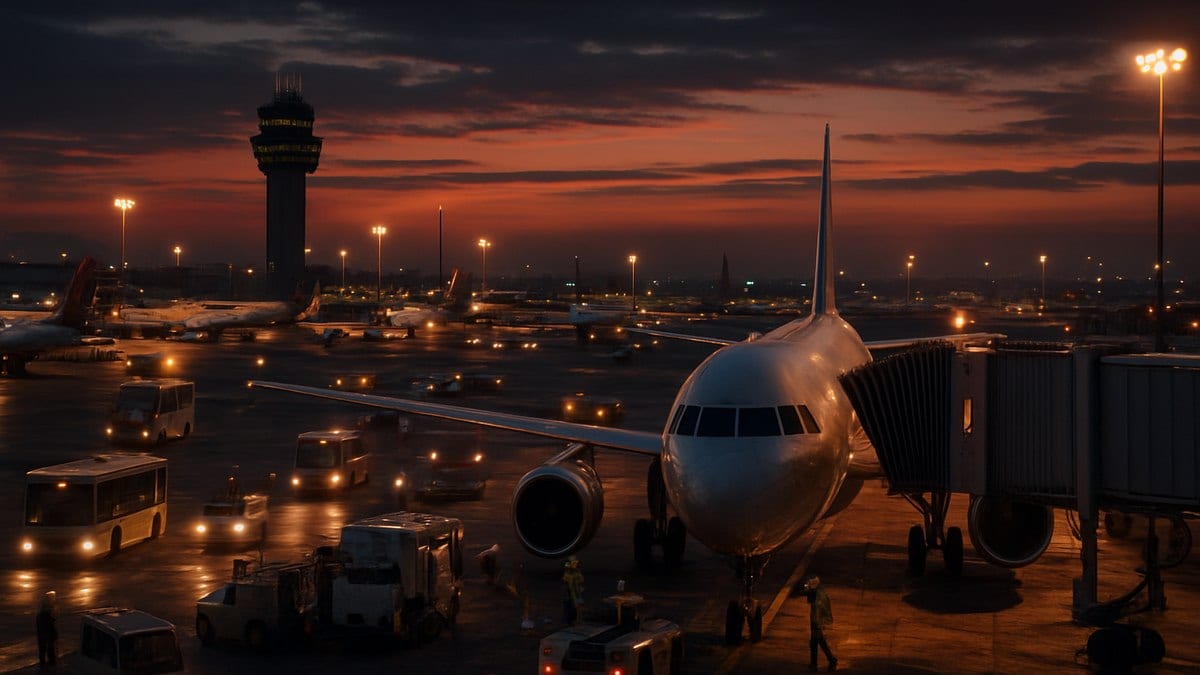
Congested Honolulu Hub Sends Disruptions Nationwide
Publicly available flight tracking and passenger reports indicate that Honolulu’s role as a critical transpacific and interisland hub has turned localized disruption into a nationwide problem. When long-haul departures from Daniel K. Inouye International Airport are delayed or cancelled, aircraft and crews that would normally continue on to mainland routes are left out of position, with knock-on effects in cities thousands of miles away.
Recent accounts from travelers describe long waits at gates and on tarmacs as aircraft await inbound crews or replacement planes. Even when flights eventually depart Honolulu, late departures have forced widespread missed connections at major mainland hubs such as Los Angeles, San Francisco and Seattle, particularly for passengers bound for onward domestic or international legs.
Schedule data for April 2026 shows Honolulu remains heavily connected to the mainland, with multiple daily nonstops to West Coast hubs and less frequent service to interior cities. That concentration means any disruption in Honolulu, whether caused by weather, staffing issues or mechanical problems, quickly ripples outward as carriers struggle to rethread complex aircraft rotations.
Industry observers note that these patterns are not new, but the volume of leisure and visiting friends and relatives traffic into Hawaii at the start of the spring and summer travel period is magnifying the impact. A single cancelled or heavily delayed widebody flight can displace hundreds of passengers and create hours of disarray at both ends of the route.
Staffing Strains and Security Lines Add to Delays
Separate from aircraft availability, security screening has emerged as a major pain point for Honolulu travelers. Social media posts and online forums in late March described security lines that stretched through the terminal, with some passengers warning that those arriving two hours ahead of departure still risked missing their flights.
Travel risk bulletins for the United States in March highlighted nationwide Transportation Security Administration staffing shortages linked to broader federal budget disputes. While Honolulu has not been singled out more than other large airports, travelers report that even modest reductions in available screening lanes can quickly lead to congestion, given the uneven outbound peaks for flights to the mainland and Asia.
Other Honolulu passengers, including some departing on red eye flights to the West Coast, have described relatively smooth security experiences, underscoring how conditions can change dramatically by time of day, day of week and terminal. This variability has complicated trip planning and prompted airlines to advise travelers to arrive earlier than usual.
Once travelers clear security, gate areas can become crowded when early afternoon departures to the mainland overlap with evening long hauls to Asia. Any delay in one bank of flights can push boarding back for others, further compressing airport resources and staff attention.
Weather Systems on Mainland Intensify the Shockwaves
The current wave of disruption is not driven solely by conditions in Hawaii. Publicly available advisories from major US carriers show recent severe weather systems in the Northeast and Midwest that triggered large numbers of cancellations and diversions, including on routes that connect to Honolulu-bound aircraft.
Heavy snow and high winds in late winter forced some airlines to implement flexible travel waivers, allowing passengers to rebook without fees. These measures, while intended to limit crowding and ease re-accommodation, also altered aircraft flows. Planes originally scheduled to operate mainland to Honolulu legs were sometimes retained on the continent to clear local backlogs, reducing available capacity into Hawaii.
Thunderstorms and airspace restrictions in parts of Texas and New Mexico earlier in the year created additional chokepoints along key transcontinental corridors. While Honolulu flights were not the primary focus of those restrictions, the resulting congestion in national airspace made it harder for carriers to recover from even minor delays on long oceanic sectors.
This confluence of factors means that travelers departing Honolulu may experience disruptions that originate far from Hawaii. A flight leaving on time from Honolulu can still arrive late to a mainland hub already saturated with weather-related congestion, leading to long taxi times, diverted arrivals and onward missed connections.
Merger Integration and Network Complexity Under Scrutiny
Honolulu’s travel turmoil is unfolding during a period of structural change for one of the state’s largest carriers. Public documentation on the combination of Hawaiian Airlines with Alaska Airlines indicates that key technology and reservation system integrations are scheduled through April 2026. That transition adds complexity at a time when reliability is already under pressure.
Travelers have reported difficulties managing itineraries that involve both interisland and mainland segments, particularly when flights are marketed under one brand but operated by a partner. In disrupted situations, these complexities can lengthen rebooking lines and make it harder for passengers to find alternative routes, especially when seats on remaining flights are limited.
Aviation analysts point out that Honolulu’s unique role as a bridge between North America and the Pacific complicates standard recovery playbooks. Unlike many mainland hubs, where passengers can be rerouted over alternative airports, there are relatively few backup options when capacity between Hawaii and the continent tightens.
Network planners must also balance the needs of island residents, who rely on Honolulu for essential interisland connections, with the expectations of long-haul mainland travelers. When aircraft and crews are in short supply, prioritizing one segment of the network can lead to significant disruption in another.
What Travelers Can Do Before Heading to the Airport
Public guidance from airlines and travel risk advisories offers several practical steps for passengers transiting Honolulu in the coming days. First, travelers are urged to monitor their flight status frequently in the 24 hours before departure, as last-minute schedule changes and aircraft swaps remain common while operations stabilize.
Many carriers serving Honolulu have enabled more flexible change policies linked to recent weather and operational events, allowing passengers to move to earlier or later flights where seats are available. Taking advantage of these options can reduce the risk of misconnecting on the mainland, particularly for itineraries that rely on tight layovers in busy hubs.
Travelers are also encouraged to build in additional time at the airport, both in Honolulu and at mainland gateways. Given recent reports of long security lines and crowded departure gates, arriving earlier than traditional guidance can provide a buffer against unexpected queues or check in issues related to complex itineraries.
For now, the situation remains fluid. As airlines work to reposition aircraft, address staffing gaps and refine schedules for the upcoming summer season, disruptions linked to Honolulu are likely to persist intermittently. Passengers planning trips between Hawaii and the mainland are being advised to remain flexible, watch for updates and prepare for the possibility that their journeys may take longer than originally planned.