

More news on this day
Travelers across the United States faced another bruising day of aviation disruption on April 11 as 1,759 flights were delayed and dozens more were canceled, snarling schedules at major hubs from Chicago and Atlanta to New York and Los Angeles.
Get the latest news straight to your inbox!
Nationwide Delays Hit Major US Airlines and Hubs
Publicly available flight-tracking data for April 11 show that Delta Air Lines, United Airlines, Spirit Airlines, SkyWest and several other carriers collectively recorded 1,759 delayed services and 79 cancellations across the United States. The figures point to a system under strain rather than isolated trouble at a single airline or airport, with disruption spread widely across multiple regions and carriers.
Chicago, Atlanta, New York, Los Angeles and St. Louis were among the cities reporting the most acute operational challenges, according to published coverage of the day’s disruptions. The pattern reflected a mix of busy hub airports and important secondary gateways, amplifying the impact as missed connections and crew rotations rippled through domestic and international networks.
Travel-industry reporting indicates that the majority of problems manifested as late departures and arrivals rather than mass cancellations, suggesting that airlines attempted to preserve as much of the schedule as possible despite mounting delays. That approach can limit outright trip cancellations but often results in rolling hold-ups, gate changes and tight connection windows for passengers.
The April 11 figures followed several days of elevated disruption in early April, creating a sense of ongoing instability for travelers who have faced repeated schedule changes across multiple weekends. Data and commentary from aviation analysts point to a convergence of seasonal storms, heavy demand and infrastructure bottlenecks as key drivers of the latest wave of irregular operations.
Weather, Network Strain and Knock-on Effects
Reports from travel-news outlets attribute a significant share of the April 11 delays to weather-linked issues and broader national aviation system constraints rather than a single operational failure. Low ceilings, thunderstorms and shifting wind patterns around several key hubs contributed to ground stops, flow restrictions and reduced arrival rates, feeding delay minutes throughout the day.
Under US Department of Transportation definitions, many of these causes fall into categories such as national aviation system delays or weather-related disruption, which differ from carrier-controlled issues like maintenance or crew availability. When multiple airports are operating under minor constraints for extended periods, overall capacity declines and small schedule slippages accumulate into widespread irregular operations.
Recent disruption data compiled for the first half of April indicate that several hubs have been operating with little slack, leaving limited room to recover from morning or midday disturbances. As aircraft and crews rotate through the network, an early delay in one city can trigger a cascade of later departures and missed connections in others, contributing to totals such as the 1,759 delayed flights recorded on April 11.
Industry observers note that spring weather volatility, ongoing staffing pressures and high travel demand ahead of the summer peak are combining to keep disruption levels above what many passengers consider typical. The April 11 numbers fit into a broader pattern of days in which thousands of flights nationwide are affected to some degree, even when outright cancellations remain comparatively modest.
Regional Flashpoints From Phoenix to Dallas and Detroit
Behind the national totals, several airports emerged as flashpoints for travelers on April 11. At Phoenix Sky Harbor International Airport, more than 160 flights were reported delayed and a small number canceled, affecting services on American Airlines, Southwest Airlines, JetBlue and other carriers serving major domestic hubs. Coverage of the disruptions described midmorning and afternoon departures as particularly affected, with waits stretching from 45 minutes to several hours on some routes.
Dallas Fort Worth International Airport, one of the country’s busiest connecting hubs, also saw significant operational strain. Local and industry reporting indicated that nearly 200 flights at DFW were delayed or canceled on April 11, a volume large enough to disrupt the tightly timed arrival and departure banks that airlines rely on to connect passengers across North America and beyond.
In the Midwest, Detroit Metropolitan Wayne County Airport experienced its own wave of delays and cancellations, with both domestic and international services affected. Because Detroit functions as a key connecting point, especially for certain transatlantic and cross-border routes, disruptions there likely created further pressure on already stretched rebooking options for travelers throughout the region.
Other airports, including Washington Dulles International serving the capital region, reported dozens of delayed flights and a smaller number of cancellations tied to the same nationwide pattern of disruption. Combined, these localized problems formed a patchwork of challenging travel conditions that contributed to the countrywide tally of 1,759 delays.
Impact on Passengers and Strain on Airline Recovery Efforts
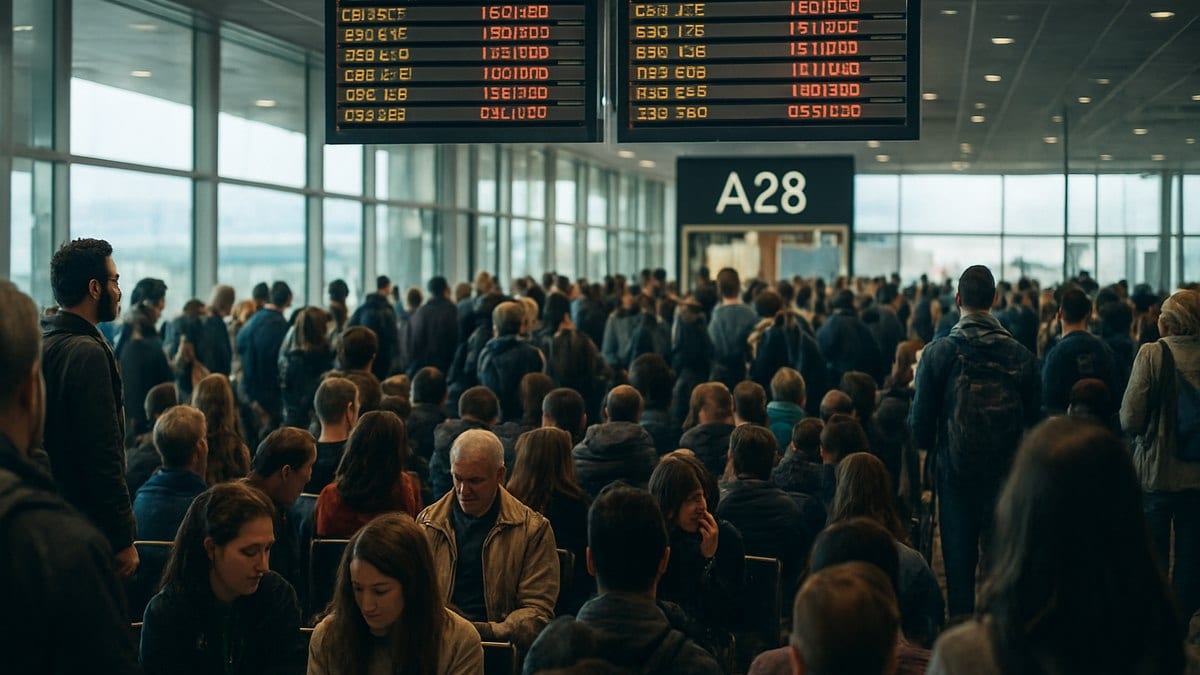
For passengers, the April 11 wave of disruption translated into long queues at check-in counters, security lanes and customer service desks, as well as crowded gate areas and tight or missed connections. Published accounts from airports around the country described travelers rushing between terminals to catch reprotected flights or waiting in extended lines to secure hotel vouchers and meal support where available.
Because many of the delays were attributed to weather and national aviation system factors, traveler options in terms of cash compensation were often limited, particularly on domestic itineraries. Consumer advocates continue to recommend that passengers focus on securing timely rebooking, documenting all expenses and retaining records of communications with airlines when disruption stretches into overnight stays.
The April 11 figures also highlight the operational challenges airlines face when attempting to recover from a day of extensive delays without resorting to sweeping cancellations. Running a late but largely intact schedule can help move more people to their destinations within the same calendar day, but it places sustained pressure on crews, airport staff and ground infrastructure.
Industry commentary suggests that, with summer demand expected to rise, carriers and airports are likely to remain under scrutiny from regulators and consumer groups regarding staffing levels, schedule resilience and passenger communication practices. The April 11 disruption, coming on the heels of several similarly difficult days, underscores how quickly the system can tip from routine busy operations to widespread delays when weather, capacity constraints and high demand align.
What Travelers Can Take From April 11’s Disruptions
For future itineraries, travel experts point to the April 11 experience as a reminder that even on days without headline-grabbing storms or large-scale technical failures, network pressures can generate substantial delays. Booking earlier departures, allowing longer connection windows and monitoring flight status closely in the 24 hours before departure remain key strategies for reducing the risk of severe knock-on disruption.
Reports from recent weeks indicate that days with more than 1,000 delays nationwide are no longer unusual during busy travel periods, particularly when scattered storms interact with tight schedules and air traffic control constraints. Travelers who build flexibility into their plans and prepare for potential irregular operations are often better positioned to secure alternative options when disruption spikes.
Airline mobile applications and airport information screens have become central tools for navigating days like April 11, providing real-time gate changes, boarding updates and, in some cases, self-service rebooking options. However, public guidance continues to emphasize the importance of understanding each carrier’s policies on refunds, credits and care obligations so that passengers can make informed decisions when plans unravel.
As airlines and airports work through the aftermath of the April 11 disruptions and subsequent days of elevated delays, travelers heading into the late-spring and summer peak are likely to watch closely for signs that operational resilience is improving. The day’s total of 1,759 delayed flights serves as a pointed indicator of the challenges that remain for the US aviation system in maintaining reliability during periods of sustained demand.