

More news on this day
Transportation Security Administration officers are finally set to receive paychecks again after weeks of working without compensation, but the relief for workers is unlikely to translate into fast-moving airport lines anytime soon. Travelers across the United States are being warned to expect prolonged security bottlenecks and flight disruptions well into the coming months, even as the current Department of Homeland Security shutdown begins to ease.
Get the latest news straight to your inbox!
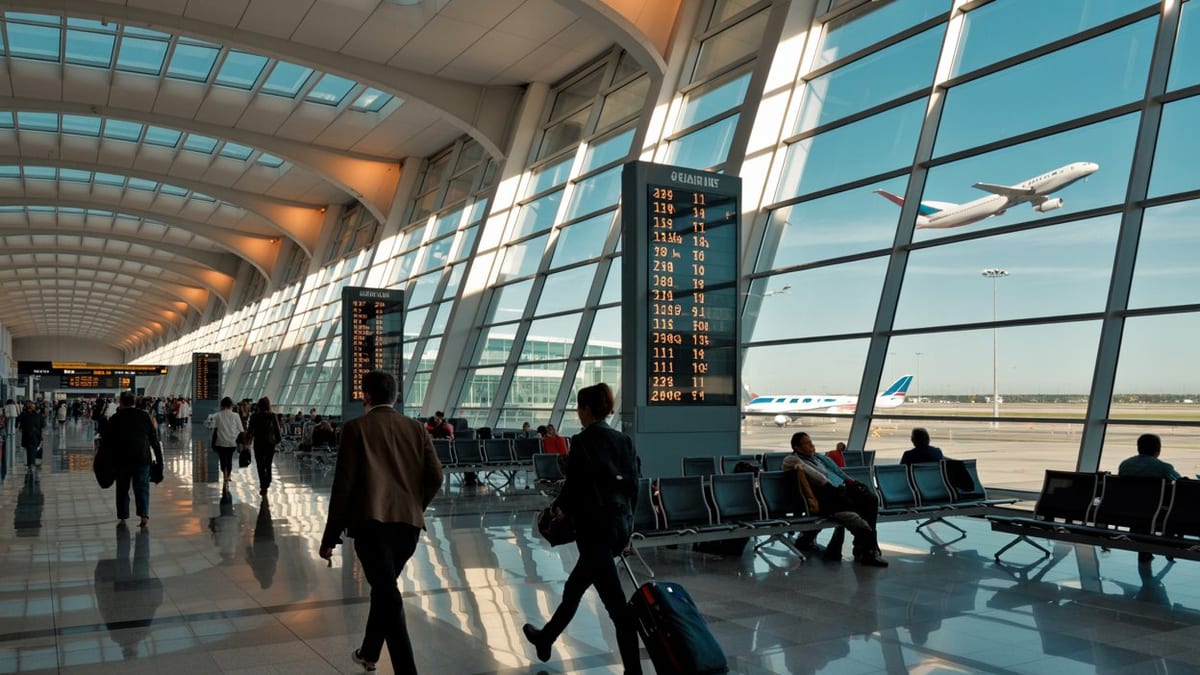
Image by Travel And Tour World
Shutdown Pay Fix Brings Relief, Not Instant Recovery
Publicly available information shows that a recent executive action authorized pay for TSA employees despite the ongoing Department of Homeland Security funding lapse. The move came after weeks in which most of the agency’s roughly 60,000 workers were required to report for duty without compensation while screening more than 2 million passengers per day.
Reports indicate that the prolonged gap between paychecks led to an uptick in unscheduled absences, as some officers sought temporary work elsewhere or stayed home to manage personal financial crises. At several large hubs, coverage from national outlets described security lines stretching for hours at peak periods, particularly around spring break departures and key business travel windows.
Even with pay now flowing again, TSA staffing rosters have been strained by attrition and burnout that built up over weeks of uncertainty. Analysts note that replacing experienced officers is not quick; training new screeners and getting them fully certified for complex, high-volume checkpoints can take months, leaving many airports operating with thin margins heading into the busy summer travel season.
Airport operators and airline executives have cautioned that the shutdown fallout will not disappear as soon as workers are paid. Schedules, staffing plans and passenger demand forecasts are typically built several months in advance, and the recent disruption has already forced some airports to reassign personnel, consolidate lanes and in some cases consider curbing service at smaller facilities to shore up larger hubs.
Staffing Shortfalls Collide With Record Passenger Volumes
The current crunch at security checkpoints is intensifying against a backdrop of steadily rising air travel demand. Transportation data and earlier TSA projections indicated that 2024 and 2025 brought some of the highest passenger volumes on record, with peak holiday and summer periods exceeding pre-pandemic levels. That growth is continuing into 2026, particularly at major connecting hubs in cities such as Houston, Atlanta and New York.
Travel industry coverage has documented how relatively small changes in staffing can have outsized effects once airports are running near capacity. If even a third of officers in a checkpoint call out during a busy morning wave, wait times can jump from a manageable 30 minutes to more than three hours, especially when airlines are operating full flights and turning aircraft quickly.
Compounding the problem, screening queues are only one link in a broader chain of pressure points. Many large airports are also grappling with construction projects, limited curbside and parking space, and high demand at check-in counters. When security becomes a choke point, passengers often arrive even earlier for flights, which can push congestion further back into ticketing halls and access roads, making the entire departure process feel jammed before travelers even reach the X-ray machines.
Some smaller and mid-size airports have remained comparatively fluid, but reports from aviation analysts suggest that national staffing imbalances can force TSA to shift officers from less busy locations to the most congested hubs. That triage strategy can prevent complete breakdowns at the largest airports, yet it risks creating new bottlenecks if demand unexpectedly spikes at regional gateways during holiday weekends or peak leisure seasons.
Air Traffic Control Strain Means Delays Beyond the Checkpoint
Even travelers who clear security quickly are not necessarily in the clear. Federal aviation data and independent analyses point to a persistent national shortage of certified air traffic controllers, a structural issue that long predates the current DHS shutdown but has been magnified by recent budget battles and training disruptions.
Studies of the controller workforce indicate that thousands of additional controllers are needed to meet staffing targets across the national airspace system. Many towers and radar facilities at major hubs are operating below recommended levels, which can force the Federal Aviation Administration to slow the rate of takeoffs and landings at busy times. The result is a cascade of ground stops, holding patterns and missed connections that can ripple across the country for hours.
Published coverage of recent shutdowns documented how even temporary staffing gaps could lead to “ATC Zero” events, in which individual airport control towers were effectively closed to most traffic because there were not enough qualified personnel to safely manage operations. While such scenarios remain relatively rare, the wider picture is one of chronic strain, with high overtime, fatigue concerns and lengthy training pipelines that can stretch to four years before a new hire is fully certified.
For passengers, that means long lines at security are only the start. A day that begins with extended waits at the checkpoint can easily evolve into departure delays on the tarmac, in-flight rerouting around congested airspace, and late-night arrivals that strand travelers as ground transportation options dwindle. Industry watchers caution that as long as controller staffing lags behind demand, even a fully paid TSA workforce cannot guarantee smooth journeys during peak periods.
Why Delays Could Drag On For Months
Several overlapping trends suggest that the current wave of disruptions will not vanish quickly. First, the DHS shutdown has not yet been resolved legislatively, meaning that TSA and related agencies remain vulnerable to renewed political standoffs even as paychecks resume for now. Budget uncertainty complicates long-term planning, from hiring and training to technology upgrades and overtime allocation.
Second, rebuilding staffing levels after weeks of financial stress will take time. Publicly available information on prior shutdowns shows that some federal workers who leave during a funding lapse never return, forcing agencies to restart recruitment from scratch. For TSA, that can mean running critical checkpoints with fewer seasoned officers just as travel patterns intensify around Easter, Memorial Day and the summer holidays.
Third, broader aviation infrastructure challenges, particularly in air traffic control, will remain in play well beyond the current fiscal year. Reports from policy think tanks and industry groups describe a backlog of aging equipment, facilities in need of modernization and technology projects that have repeatedly slipped timelines. Even as Congress directs more funding toward these priorities, implementation is staggered across many years.
Finally, traveler behavior itself can perpetuate congestion. As stories of hours-long airport lines circulate on social media and in local news, more passengers build in extra time, often arriving three or four hours before departure for domestic flights. While that may be prudent for individuals, it concentrates crowds in terminals earlier in the day and can overwhelm resources during what used to be off-peak windows.
How Travelers Can Navigate Long Lines and Still Make Their Flights
For individual travelers, the current environment calls for a blend of preparation and flexibility. Travel organizations and consumer advocates recommend arriving earlier than usual, particularly at large hubs or during school breaks and holiday periods. For many airports, planning to be at the terminal two to three hours before a domestic flight and at least three hours before an international departure is becoming a baseline rather than a luxury.
Published guidance from TSA and airport authorities emphasizes the value of being checkpoint-ready before joining the queue. That includes packing liquids, aerosols and gels in accordance with current rules, wearing easily removable shoes, and keeping laptops and large electronics accessible if traveling in standard lanes. Travelers enrolled in trusted traveler programs can often use dedicated checkpoints with historically shorter waits, though these lanes have also seen sporadic backups during the shutdown.
Travel experts suggest building redundancy into itineraries whenever possible. Choosing earlier flights in the day can provide more rebooking options if operations snarl, while allowing longer connection times can reduce the risk of misconnecting when inbound flights are delayed by security or airspace constraints. Some passengers may also benefit from selecting less congested airports in multi-airport cities, trading a longer drive for a quicker time from curb to gate.
Finally, staying informed in real time remains critical. Many airlines and airports publish security wait estimates and delay information through apps, social media feeds and terminal displays. Monitoring these channels on the day of travel can help passengers adjust departure times from home, select less crowded checkpoints within the same airport and coordinate with airlines if it becomes clear that a scheduled flight is turning into a missed connection. While no strategy can fully eliminate frustration during an extended period of disruption, informed and proactive planning can significantly improve the odds of making it to a destination on schedule.