

More news on this day
Emergency pay for Transportation Security Administration officers is beginning to ease the worst bottlenecks at U.S. airports, but travelers are being warned that security delays could still persist for weeks as the Department of Homeland Security shutdown drags on and Immigration and Customs Enforcement agents continue to patrol many checkpoints.
Get the latest news straight to your inbox!
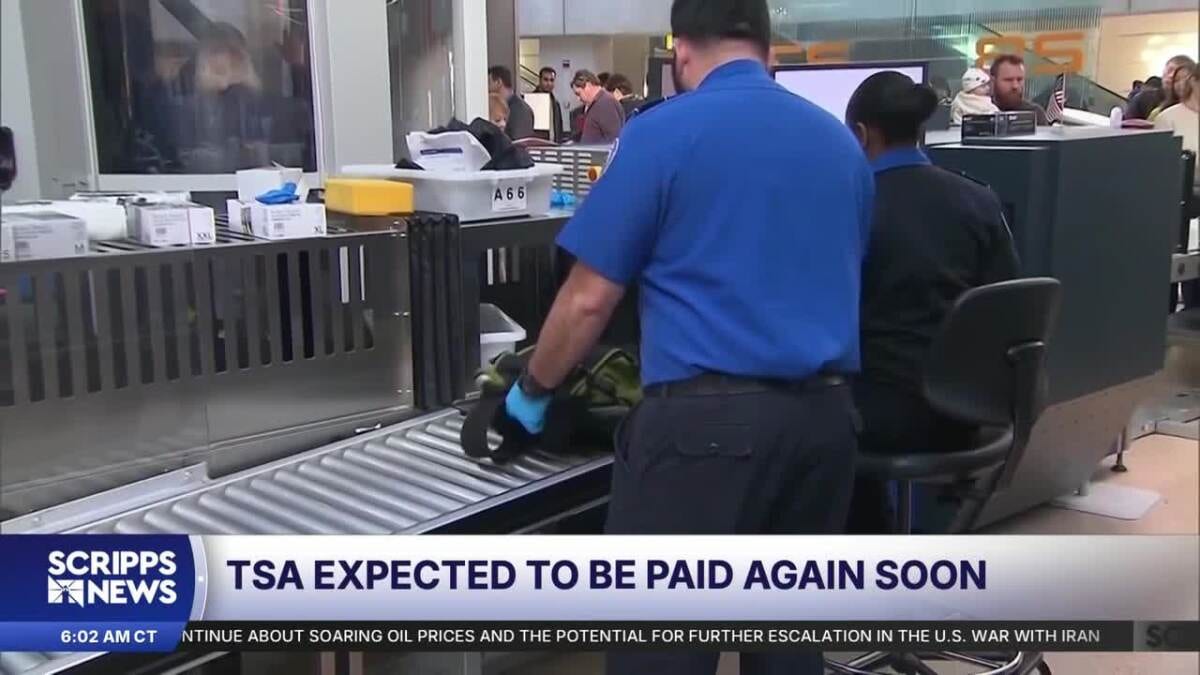
Image by mountainhomenews.com
Paychecks Resume, But Shutdown Standoff Continues
Transportation Security Administration workers began receiving long-delayed paychecks this week, after a presidential order directed the Department of Homeland Security to compensate officers who had been working without pay since mid-February. Publicly available information shows that most officers have now been paid for at least two missed pay periods, providing immediate financial relief for a workforce that had faced mounting bills and uncertainty.
The pay decision followed weeks of political deadlock in Washington over how to fund the Department of Homeland Security. Reports indicate that Congress remains divided over broader immigration enforcement measures, particularly the future role and funding of Immigration and Customs Enforcement, even as the partial shutdown of the department has become the longest in U.S. history.
While the move to restore pay has been framed as an emergency step to stabilize air travel, it does not fully reopen DHS or guarantee that similar disruptions will be avoided in the future. Budget analysts note that the underlying appropriations dispute remains unresolved, leaving the agency operating in a climate of uncertainty that complicates staffing decisions and long-term planning.
For travelers, that means the current relief at security checkpoints may be fragile. Aviation experts quoted in recent coverage say that as long as the shutdown persists, the system remains vulnerable to renewed staffing gaps if political negotiations falter or if additional emergency measures are required.
Airport Lines Shorten, But Operational Strain Remains
In the days since paychecks resumed, major hubs such as George Bush Intercontinental in Houston and other busy airports have reported more manageable security wait times after weeks of hours-long lines and missed departures. Local coverage from several cities indicates that more screening lanes have reopened, and last-minute flight changes due to security bottlenecks are beginning to decline.
The improvement follows a sharp rise in unscheduled absences and resignations during the height of the shutdown, when some officers called out or quit rather than continue working without pay. Aviation and labor analysts say it will take time to rebuild rosters, train replacements for those who have left, and restore morale among officers who endured more than a month with little or no income.
Even with pay restored, TSA continues to face long-standing hiring and retention challenges that predate the current shutdown. Previous agency planning documents highlighted difficulty competing with private-sector wages and with other federal law-enforcement agencies that offer higher pay scales and more predictable advancement. The recent disruption, analysts argue, may deepen that structural problem by discouraging potential recruits wary of future political standoffs.
Travelers are being advised to continue arriving early for flights, especially at large coastal hubs and airports that saw the worst delays during the shutdown. Industry observers note that while average wait times are falling, day-to-day conditions can still vary significantly depending on local staffing, time of day, and any renewed wave of callouts as officers adjust to their changed financial situations.
TSA Pay Equity Efforts Collide With Shutdown Politics
The emergency pay order lands on top of a broader, multi-year effort to overhaul TSA compensation and bring screening officers closer to pay parity with the rest of the federal civil service. Congressional budget summaries for recent appropriations cycles describe plans to boost front-line screening pay and modernize the agency’s pay structure in response to chronic turnover and recruiting shortfalls.
Those same documents show, however, that some lawmakers have resisted fully funding the planned pay reforms, arguing that increases should be tied to other policy goals or offset by cuts elsewhere in the Homeland Security budget. Portions of earlier House proposals, for example, would have limited or delayed certain pay changes, even as Senate summaries advertised support for higher TSA pay.
Policy analysts say the current shutdown has exposed how fragile that pay-equity agenda can be when it is entangled with broader debates over immigration and border enforcement. While the executive action to pay TSA officers temporarily sidesteps the stalemate, it does not lock in long-term funding for higher wage levels or guarantee that future budgets will protect the screening workforce from political bargaining.
Union leaders and worker advocates, in public statements and media interviews, have argued that treating TSA compensation as negotiable during funding showdowns undermines security by pushing experienced officers out of the profession. They contend that stable, predictable pay is as important to aviation security as new scanning technologies or additional patrols on the concourse.
ICE Agents Fill Gaps at Checkpoints and May Stay
As TSA staffing deteriorated during the shutdown, Immigration and Customs Enforcement officers were dispatched to airports to help manage security lines, monitor checkpoints and provide a visible law-enforcement presence. Published coverage notes that ICE agents are being paid through separate funding streams that were approved before the Homeland Security stalemate, allowing them to work on full salary even while many TSA colleagues went without pay.
Senior Homeland Security figures quoted in recent reports have suggested that ICE personnel could remain at some airports even now that TSA officers are again receiving pay. The rationale cited in those accounts includes maintaining heightened security amid perceived threat levels, as well as providing a cushion in case TSA callouts or departures continue.
The ongoing ICE presence has raised questions among civil-liberties advocates and some lawmakers about the blurred line between aviation security and interior immigration enforcement. Policy commentators point out that ICE’s core mission centers on immigration violations and criminal investigations, rather than routine passenger screening, and that an extended role at airports could change the experience for travelers, particularly those from immigrant communities.
At the same time, supporters of the deployment argue that having more armed officers in and around checkpoints can deter threats and supplement short-handed TSA teams. For now, with no final Homeland Security funding package in place, there is little clarity about how long ICE agents will continue to augment airport operations or whether their role will expand or contract in the coming weeks.
Traveler Outlook: Cautious Optimism With Lingering Risks
For air passengers planning spring and early summer trips, the immediate outlook appears less dire than it did only days ago, when images of backed-up terminals and shuttered security lanes dominated national coverage. With TSA officers again getting paid and some of the most acute staffing shortages easing, many airports are reporting that they can staff more lanes during peak hours and reduce the risk of widespread missed flights.
Industry analysts caution, however, that the system is still operating under the shadow of a historic shutdown. If Congress fails to secure a final appropriations deal for the Department of Homeland Security, TSA could again face unpredictable funding, complicating efforts to retain seasoned officers and recruit new ones before the busy travel season.
The continuing presence of ICE agents at many airports adds another layer of uncertainty. Some travel experts suggest that, even if basic wait times stabilize, passengers may encounter more law-enforcement activity in and around checkpoints, including additional document checks and patrols that can lengthen the overall screening experience.
As negotiations in Washington continue, aviation observers say travelers should remain aware that conditions can shift quickly. Adequate pay for TSA officers, clear guidance on the role of ICE at airports, and a durable Homeland Security funding agreement are emerging as key benchmarks for whether this period becomes a short-lived disruption or a turning point in how the United States staffs and secures its airports.