


More news on this day
Travel And Tour World has released a new ranking of the Top 50 Solo Travel Destinations in the World for 2026, highlighting cities and regions that combine safety, social connection, cultural depth and strong infrastructure for independent travellers.
Get the latest news straight to your inbox!
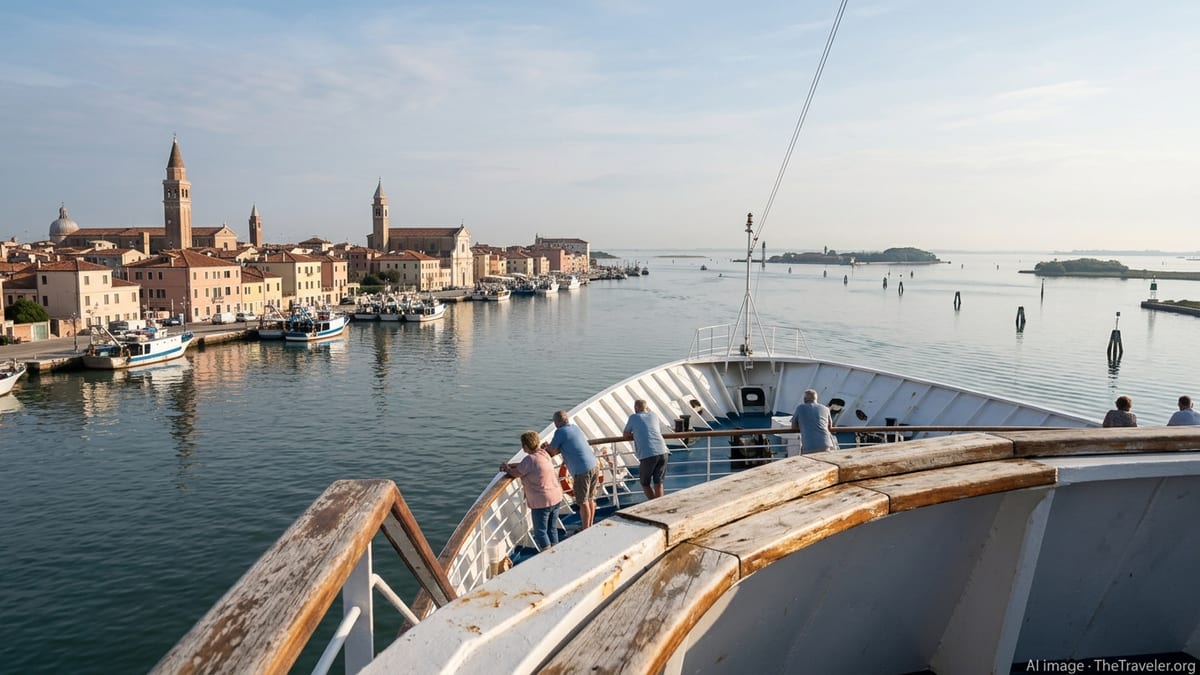
Data driven ranking for a booming solo travel market
The latest solo travel list from TTW arrives as industry research points to independent trips becoming a core segment of global leisure travel in 2026. Recent consumer studies indicate steady growth in travellers booking alone across age groups, with millennial and Gen Z segments particularly likely to prioritise flexibility, digital connectivity and immersive local experiences.
Publicly available information on TTW’s previous rankings suggests that the publisher typically combines tourism performance indicators, air connectivity, visa policies, accommodation capacity and traveler sentiment when building its destination lists. For the solo travel edition, those criteria are understood to have been refined around issues such as walkability, public transport, perceived safety, nightlife, co-working availability and hostel or boutique-hotel density.
The Top 50 Solo Travel Destinations in the World for 2026 follow a series of themed rankings released by TTW this year, including coolcation, wellness, eco-tourism and safest-destination lists that focus on emerging traveller behaviour. Those earlier releases emphasized sustainability, climate-aware trip planning and security as key decision factors, trends that also shape how and where people choose to travel alone.
While the full solo ranking spans every continent, early details and comparable industry reports indicate a strong presence for European culture capitals, Southeast Asian backpacker hubs, technologically advanced East Asian cities and coastal destinations that support longer stays by remote workers.
Europe leads with culture, connectivity and café culture
European destinations feature prominently in the 2026 solo travel landscape, building on their dense transport networks, heritage-rich city centres and established hostel and hotel ecosystems. Cities in countries such as Portugal, Spain, Italy, Germany and the Netherlands are frequently highlighted in independent travel indexes for their mix of walkable old towns, nightlife, museums and relatively straightforward rail links to surrounding regions.
Mediterranean destinations that already score highly in TTW’s broader 2026 rankings, including Greece and Cyprus, are also widely perceived as attractive for solo itineraries. Their island and coastal regions pair archaeological sites and local food scenes with well-developed tourism infrastructure, from ferries and regional flights to seasonal festivals that make it easier for solo visitors to meet other travellers and residents.
Northern and Central Europe contribute a different appeal, combining reputation for personal safety with efficient public transport, English-friendly services and strong café cultures. Reports on solo travel behaviour indicate that these attributes are especially valued by first-time independent travellers and by women travelling alone, who often prioritise clear wayfinding, reliable transit and predictable urban environments when selecting a destination.
Beyond flagship capitals, TTW’s 2026 list also aligns with a broader industry shift toward so-called “second cities” and smaller hubs. These destinations, from mid-sized university towns to creative coastal centres, can offer lower prices and fewer crowds while still providing the social and cultural infrastructure solo travellers seek.
Asia Pacific balances affordability and immersive experiences
The Asia Pacific region remains a cornerstone of the global solo travel circuit, and TTW’s 2026 ranking reflects that continued momentum. Backpacker routes across Southeast Asia, in particular, are regularly cited in travel community discussions for their affordability, extensive hostel networks and relatively simple overland connections between countries such as Thailand, Vietnam, Cambodia and Laos.
According to published coverage on 2026 travel trends, destinations in this region are benefiting from renewed international air capacity and upgraded tourism infrastructure, including new rail links, expanded low-cost carrier routes and digital services that help travellers manage visas and local transport. Those developments make it easier for solo visitors to move between major urban centres, islands and inland cultural or nature-based attractions.
East Asian cities add a contrasting proposition for independent visitors. Large metropolitan areas in Japan and South Korea, for example, are widely regarded in traveller forums and rankings as combining high levels of personal safety with cutting-edge public transport, well-signposted streets and a deep food and culture scene accessible even on short stays. For 2026, analysts expect these destinations to continue drawing solo travellers interested in mixing pop culture with traditional sites and day trips.
Australia and New Zealand remain significant for longer solo journeys, including working holidays and extended road trips. Their inclusion in broad-based 2026 destination lists is linked to outdoor experiences, from coastal drives to multi-day hikes, and to the prevalence of hostels, campervan rentals and adventure tour operators accustomed to serving solo guests.
Remote work, wellness and “slow travel” reshape solo itineraries
The 2026 solo travel ranking is also emerging against a backdrop of changing work and lifestyle patterns. Research from luxury and mainstream travel agencies points to a rise in trips that blend remote work, personal development and wellness, with solo travellers staying longer in one place to balance productivity with exploration and rest.
Destinations that support this shift tend to pair reliable broadband and co-working spaces with outdoor access, walkable neighbourhoods and a variety of cafés and casual dining options. Coastal European towns, mid-sized North American and Asia Pacific cities, and mountain or lakeside regions with growing digital nomad communities are all benefiting from this trend, and TTW’s list reflects their growing visibility.
Wellness and nature-focused locations highlighted in earlier TTW rankings also overlap with solo travel demand. Cool-climate retreats, spa towns, national park gateways and eco-lodges are increasingly marketed to independent visitors seeking time in nature, structured wellness programs or opportunities for reflection. Industry reports note that these travellers often value small-group experiences and guided activities that provide social contact without the constraints of traditional group tours.
At the same time, the rise of slow travel encourages solo visitors to spend more time in fewer destinations. This benefits cities and regions that can sustain interest over several weeks through local markets, neighbourhood festivals, language schools and cultural workshops, all of which support deeper engagement with place and community.
Safety, sustainability and access shape destination choices
Across all regions, TTW’s Top 50 Solo Travel Destinations in the World for 2026 underline how safety, sustainability and accessibility now intersect in traveller decision-making. Publicly available travel surveys show that perceived safety remains a top concern for people planning to travel alone, influencing everything from choice of neighbourhood to preferred mode of transport.
Destinations that appear frequently in solo rankings and travel media coverage tend to offer clear tourism information, visible urban services and accommodations that cater specifically to independent guests. These range from women-focused or co-living hostels to boutique hotels that facilitate social interaction through shared lounges, walking tours and locally curated experiences.
Environmental considerations are also gaining weight, particularly among younger solo travellers. Cities and regions that promote public transport, cycling infrastructure, urban green spaces and responsible wildlife or nature experiences are increasingly favoured in destination shortlists and editorial coverage. Many of the locations highlighted in TTW’s 2026 portfolio have simultaneously invested in sustainable tourism policies and in marketing that appeals to climate-conscious visitors.
Accessibility in the broader sense, including visa rules, flight options and digital tools that simplify trip planning, rounds out the decision framework. With airlines and tourism boards focusing on 2026 as a year of continued recovery and innovation, TTW’s new solo travel ranking offers a snapshot of how these factors combine to shape where independent travellers are most likely to go next.