

More news on this day
American communities along the U.S.-Canada border, long dependent on a steady stream of Canadian shoppers and weekend visitors, are confronting a sharp and stubborn decline in cross-border travel that local business owners say is starting to feel like a permanent reset.
Get the latest news straight to your inbox!
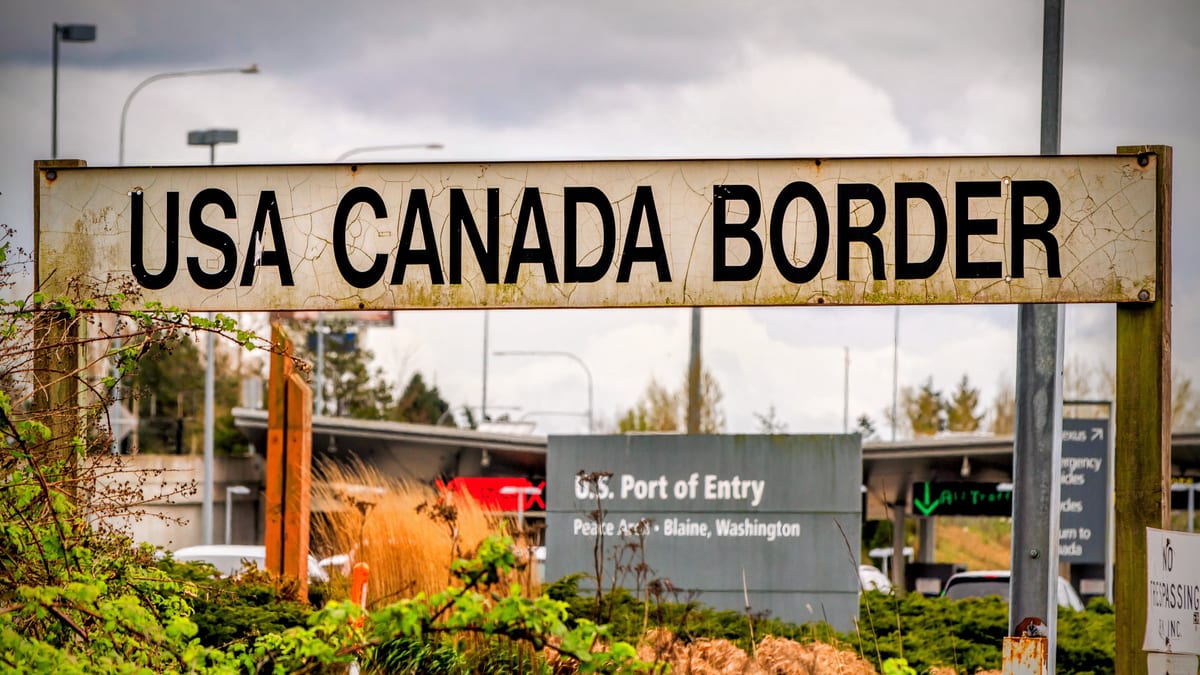
Image by TheTravel
Sharp Declines After Years Of Reliance On Canadian Visitors
Recent travel data show a sustained fall in Canadian trips to the United States, reversing decades in which residents north of the border were among the most reliable international visitors. Statistics Canada figures for late 2025 and early 2026 indicate double-digit year-over-year drops in Canadian return trips from the United States, by both car and air, marking more than a year of continuous declines.
In December 2025, Canadian-resident travel back from the United States was down by roughly one fifth by air and nearly one third by car compared with the previous year, according to publicly released cross-border data. Early 2026 numbers point to another steep fall, with January Canadian trips to the United States reported as more than 20 percent below the previous year and more than 23 percent below 2024.
Tourism research firms tracking international arrivals report similar trends. One widely cited analysis in 2025 estimated Canadian visits to the United States were down around one quarter for the year to date, undercutting earlier forecasts that had predicted growth and instead forcing a revision to an overall decline in inbound travel. For border communities, those percentages translate into visibly emptier parking lots, shorter lines at crossings and thinner weekend crowds.
The shift is especially painful because Canadian travelers have historically favored frequent, shorter trips that pump a steady flow of spending into nearby U.S. towns. Industry commentary notes that this pattern once made Canadians some of the most “sustainable” visitors for American destinations, particularly for drive-to markets within a few hours of the border.
Border Town Businesses Feel A Slow-Motion Crisis
On the ground, the downturn is hitting the kinds of businesses that built their models around predictable Canadian foot traffic. Reports from duty-free operators, independent retailers and hospitality groups in states such as Washington, New York and Michigan describe steep revenue drops, staffing cutbacks and reduced operating hours as travel volumes sag.
In British Columbia’s corridor into Washington state, data from regional border monitoring programs have shown double-digit percentage declines in B.C.-plated passenger vehicles crossing into nearby U.S. towns. Local coverage from communities such as Blaine and Bellingham describes worry that what started as a political backlash may be calcifying into a long-term behavioral shift, with residents simply getting out of the habit of cross-border shopping and leisure trips.
Similar stories are emerging along the Great Lakes and in the Northeast. Tourism surveys from states that have traditionally leaned on Canadian visitors, including Minnesota and New York, indicate that a majority of tourism-related businesses expect fewer Canadian customers this year. Some regional tourism organizations characterize the downturn as a “crisis” level event for small operators, comparing the mood to the pandemic era even though formal travel restrictions are no longer in place.
Industry groups representing North American motorcoach and group-tour operators warn that diminished cross-border travel has ripple effects beyond immediate retail sales. They note that motorcoach tourism has been a backbone for heritage towns, casinos and outlet malls along the border, and that fewer Canadian groups translate into reduced bookings for hotels, attractions and restaurants throughout the surrounding regions.
Politics, Perception And The Power Of The Exchange Rate
Analysts point to a mix of political tension, safety perceptions and economic pressures as drivers of the slump. In 2025, a prominent trade dispute and sharply worded comments from U.S. political leaders about Canada coincided with calls from some Canadian politicians and activists to avoid travel to the United States. Coverage in Canadian and international media widely described the trend as a boycott, encompassing both American consumer products and trips south of the border.
Reports from Statistics Canada and multiple news outlets have linked the travel pullback to concerns about tariffs, border enforcement and rhetoric about making Canada the “51st state.” Stories of travelers facing device searches or longer questioning at U.S. ports of entry added to the unease. While official travel bans were not in place, sentiment surveys captured a noticeable cooling toward U.S. trips among Canadians who might otherwise have gone south for shopping, sports or sun.
Economic factors are amplifying those attitudes. Analysts highlight the strength of the U.S. dollar against the Canadian dollar as a significant deterrent for price-sensitive visitors. When exchange rates make everyday purchases, hotel stays and attraction tickets noticeably more expensive, short discretionary trips become easier to skip, particularly for families from nearby provinces who can find alternatives at home.
At the same time, Canada’s domestic tourism sector and overseas travel options have been recovering, providing substitutes for Canadians who once defaulted to U.S. destinations. Year-end travel summaries for 2025 show domestic Canadian trips growing and international travel outside the United States gaining market share, suggesting that some of the spending that used to cross the border is now being redirected to other places.
Day Trips Vanish, Long-Weekend Habits Change
One of the most striking shifts, according to border and tourism data, is the erosion of same-day and short-stay trips that were once routine for people living near the frontier. Statistics Canada has reported that same-day returns by car from the United States have fallen far more sharply than longer journeys, with declines of around 30 percent or more in some recent months.
That pattern is particularly damaging for small U.S. towns just across the line, where Saturday grocery runs, gas fill-ups and spur-of-the-moment restaurant visits by Canadian license plates could make or break margins. Business owners cited in regional coverage describe formerly busy long weekends when an influx of Canadian vehicles filled main streets, in contrast with more recent holidays that feel subdued.
The loss of day-trip traffic also weakens cross-border cultural ties that grew up around shared sports events, festivals and recreation. Community leaders in border regions worry that as residents travel less frequently in both directions, the personal familiarity that once underpinned cross-border cooperation and goodwill may fade, replaced by online impressions shaped by national-level political conflicts.
Some travel experts warn that habits formed during this downturn may endure even if political tensions ease. Once households discover new routines, such as vacationing within their own province or flying to non-U.S. destinations, the default choice may no longer be an easy drive across the border, especially if cost advantages do not return.
Tourism Industry Searches For A Path To Recovery
Tourism agencies and business coalitions on both sides of the border are beginning to respond to the slump with targeted campaigns and calls for policy changes. Statements from U.S. destination marketing organizations in 2025 emphasized the importance of Canadian visitors and framed the current downturn as a temporary pause that they hope to reverse with welcoming messaging and promotional offers.
At a broader level, coalitions representing hotels, attractions and transportation providers in Canada and the United States have urged national governments to stabilize trade relations and border procedures, arguing that uncertainty is discouraging everyday travelers. A joint initiative announced in 2025 estimated that inbound travel to the United States could fall by double digits for the year and warned of tens of billions of dollars in potential losses if confidence is not restored.
Some border communities are not waiting for national solutions. Local tourism boards and chambers of commerce are experimenting with cross-border events, coordinated marketing and loyalty programs designed to entice Canadians back with discounts or bundled experiences. Others are diversifying, seeking to attract visitors from farther afield to offset the drop in short-haul Canadian traffic, though that strategy is more viable for destinations with major airports or marquee attractions.
For now, the data point to an uneven recovery in which some U.S. travel hotspots continue to post strong numbers from other markets, while border-reliant towns face a lingering hole where Canadian visitors used to be. Whether those visitors return in their previous numbers may depend as much on the political and economic climate as on any sale or slogan, leaving small businesses along the world’s longest undefended border in an extended period of waiting.