


More news on this day
A U.S.-operated residential cruise ship that marketed an "endless" global voyage has sailed out of Cambodia without any passengers on board, days after abruptly ordering hundreds of long-term residents to leave the vessel when operations were suspended over soaring fuel costs.
Get the latest news straight to your inbox!
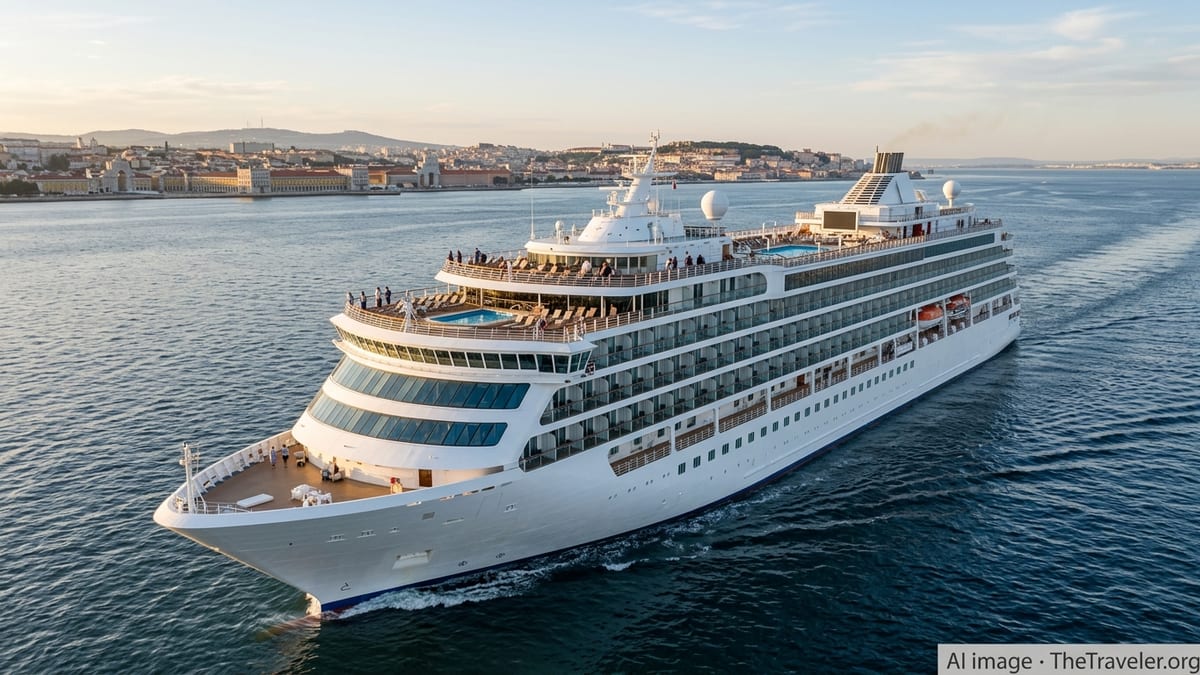
Residential vessel departs Sihanoukville crew-only
Publicly available information indicates that the Villa Vie Odyssey left Sihanoukville Autonomous Port in Cambodia early on 4 November 2026 with only crew members aboard, following a week of uncertainty for residents who had been living on the ship. The vessel had been docked in the Gulf of Thailand port since 23 October, after its operator halted a planned multi-year circumnavigation.
Reports from Cambodian officials and regional media describe the Odyssey, which has capacity for about 650 passengers, departing Cambodian waters without disclosing a public itinerary. Coverage from international news outlets notes that around 156 crew members remained assigned to the ship, although it has not been clarified how many actually sailed on the departure.
The Odyssey’s departure marks a sharp reversal from the operator’s original promise of a continuous three-and-a-half-year journey, with cabins sold as floating residences. Instead of continuing to Southeast Asian and Indian Ocean ports, the ship left Cambodia empty of paying guests while the company evaluates its next steps.
Residents told to leave after fuel costs halt voyage
According to company statements cited in multiple news reports, Florida-based Villa Vie Residences suspended the voyage in late October, saying that steep increases in marine fuel prices linked to conflict in the Middle East had rendered operations prohibitively expensive. The operator pointed to fuel bills that had reportedly climbed several times higher than original projections per cabin.
Coverage by international wire services and regional outlets indicates that residents received notification in Cambodia that the world cruise would not continue and that they would need to disembark with their belongings. Many had purchased multi-year leases costing tens of thousands of dollars, expecting to live at sea while the ship visited dozens of countries.
Passengers posting publicly online before and after the announcement described being given only hours to pack up cabins and arrange onward travel from Sihanoukville. These first-hand accounts depict a hurried disembarkation in a provincial port city that is not a major long-haul aviation hub, complicating same-day connections to Europe and North America.
News coverage notes that the operator has pledged to work with residents on refunds or credits and to help identify temporary housing options on land. Several passengers, however, have said in public posts and interviews with media outlets that they are uncertain about compensation and feel stranded after investing savings into the residential-cruise concept.
From “endless voyage” to indefinite uncertainty
The Villa Vie Odyssey set out with the promise of an extended global itinerary beginning in 2024, advertising the chance to live aboard while circling the world and revisiting marquee ports every few years. Publicly available background information shows that the ship, originally built as a traditional cruise vessel, had been refitted for longer-term stays with full kitchens in many units and storage for residents’ personal belongings.
The suspension in Cambodia interrupts that plan midway through the advertised schedule. Reports indicate that the vessel arrived in Sihanoukville from Thailand intending to refuel and continue, but the operator subsequently indicated that securing fuel at sustainable prices was no longer possible. With no immediate solution, the company chose to offload residents rather than continue sailing.
Travel industry analysts quoted in news coverage view the episode as an early and highly visible stress test for the emerging residential-cruise sector. While a number of companies have marketed long-duration or permanent-at-sea lifestyles, Villa Vie’s difficulties highlight how sensitive such models can be to external shocks such as fuel price swings and regional instability along key shipping routes.
The ship’s current voyage status remains unclear. Some reports describe it as sailing without passengers while the operator explores options that could include repositioning to a different region, securing new financing, or laying the vessel up if operations cannot resume under viable costs.
Impacts on stranded travelers and Cambodia’s port city
After disembarking more than 200 residents, Sihanoukville became an unexpected waystation for travelers suddenly in need of hotels, flights and storage for their luggage. Local media and international coverage describe residents fanning out to nearby accommodations while working to rebook air travel via Phnom Penh, Bangkok and other regional hubs.
Public posts by affected passengers recount long lines, shifting information about future plans, and challenges obtaining clear documentation from the company that could be used in travel insurance claims. Some residents reported that they had to pay up front for unexpected weeks of hotel stays while awaiting updates about refunds or alternative arrangements.
For Cambodia, the episode brought an influx of foreign visitors into a coastal city more familiar with conventional cruise calls than with abruptly terminated world voyages. While the country has previously hosted stranded cruise passengers in other contexts, including during the early months of the COVID-19 pandemic, this case centers on commercial and operational decisions rather than health restrictions.
Local tourism businesses, including hotels and transport providers, appear to have gained short-term custom from the sudden demand. At the same time, international coverage has focused on the uncertainty faced by residents who had reoriented their lives toward permanent or semi-permanent life at sea.
What the saga means for would-be “residents at sea”
The Villa Vie Odyssey’s empty departure from Cambodia is likely to reverberate across the niche but growing market for residential cruises and multi-year world voyages. Travel media observers suggest that prospective buyers and travel advisers may now scrutinize operators’ financial resilience, fuel hedging strategies and contingency plans more closely before committing to long-term contracts.
Published analyses of the incident emphasize that, unlike conventional cruises, residential models often involve large upfront payments or multi-year leases. When an operator encounters unexpected costs or suspends operations, residents may find themselves exposed to substantial financial risk and sudden relocation needs, particularly if they have sold or rented out their homes on land.
Consumer advocates commenting publicly on the case argue that travelers considering long-duration cruises should review contract terms related to itinerary changes, force majeure, refund conditions and the treatment of unused time if a voyage ends early. They also highlight the importance of comprehensive travel insurance that addresses extended stays, medical coverage abroad and insolvency or default by service providers.
As the Odyssey sails away from Cambodia with only crew aboard, the longer-term future of both the vessel and its former residents remains unresolved. For many in the travel world, the image of a residential cruise ship leaving port without passengers has become a potent symbol of the uncertainties that can accompany even the most carefully marketed “voyage of a lifetime.”