

More news on this day
Uber is moving to acquire German chauffeur company Blacklane in a bid to accelerate its premium and executive ride services, signaling a fresh push into higher-end business travel as demand for planned, upscale ground transport grows worldwide.
Get the latest news straight to your inbox!
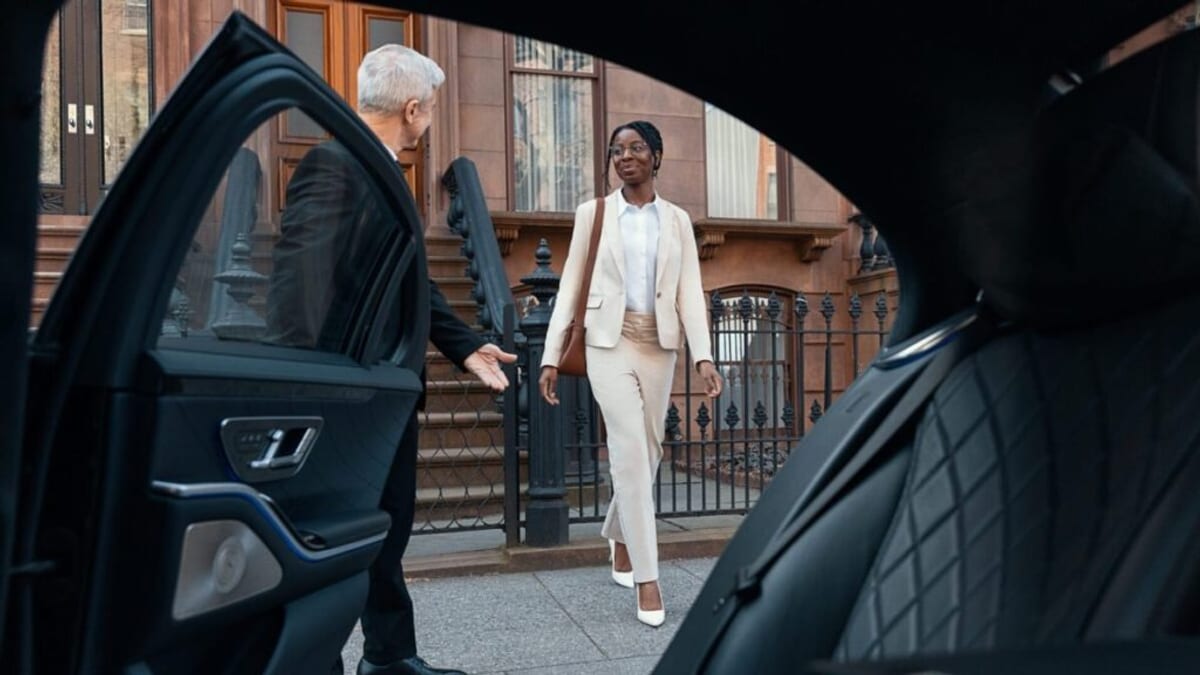
Image by Skift
Deal Targets Fast-Growing Executive Travel Segment
According to recent industry coverage, Uber Technologies has agreed to acquire Blacklane, a Berlin-based premium chauffeur service operating in hundreds of cities around the world. The proposed transaction is positioned as a way to deepen Uber’s presence in executive and luxury travel, a segment that has been expanding alongside the broader rebound in corporate mobility.
Publicly available information indicates that executive travel is one of the fastest-growing parts of Uber’s mobility portfolio, driven by demand from business travelers who prioritize reliability, pre-booking and higher levels of comfort. The acquisition of Blacklane is expected to sit alongside existing premium tiers, such as Uber Black and the recently highlighted Uber Elite initiative, which focuses on chauffeur-style services in select markets.
Financial terms of the deal have not been disclosed in the reports reviewed, and the transaction remains subject to customary regulatory approvals. Industry analysis suggests that closing is targeted for late 2026, which would give both companies time to align technology, operations and service standards across their combined networks.
Market commentators note that the move aligns with Uber’s broader strategy of diversifying beyond on-demand urban rides. In recent months, the company has also announced investments and partnerships in areas such as parking services and autonomous robotaxis, indicating a multi-pronged approach to capturing higher-value mobility use cases.
Who Is Blacklane and Why It Matters to Uber
Blacklane was founded in Germany in 2011 and has developed into a global provider of pre-booked chauffeur services, with coverage reported in more than 500 cities across over 50 or 60 countries. The company specializes in airport transfers, point-to-point rides and hourly bookings, targeting business travelers, hospitality partners and corporate travel managers who require predictable, premium ground transport.
Over the past decade, Blacklane has raised significant external funding, including a Series G round announced in 2024 that brought in tens of millions of euros to support expansion and technology investment. Legal and financial disclosures around that round described Blacklane as a leading international provider of premium chauffeur services, highlighting its positioning in a space adjacent to, but distinct from, traditional ride-hailing.
For Uber, bringing Blacklane under its umbrella offers a shortcut into a well-established, contract-driven segment of the market where per-ride revenue can be higher and customer relationships are longer term. Rather than building a global chauffeur network city by city, the acquisition would give Uber immediate access to Blacklane’s vetted driver partners and corporate client relationships.
Travel industry observers point out that Blacklane’s brand has become particularly visible among frequent flyers and corporate travel planners who value meet-and-greet service, professional drivers and consistent vehicle standards. Integrating that brand and service model into Uber’s platform could help the US-based company appeal more directly to premium travelers who have historically booked through specialist chauffeur providers instead of app-based ride-hailing alone.
Strategic Fit With Uber’s Premium and Corporate Offerings
Reports on the deal emphasize that Uber views premium travel as a core growth opportunity, sitting alongside its everyday commute products. The acquisition of Blacklane is expected to bolster Uber’s premium tiers, including offerings marketed to business travelers and corporate accounts where service level agreements and advance bookings are common.
Industry analysis suggests that Uber can use Blacklane’s expertise in scheduled, high-touch rides to enhance features such as advanced reservations, airport concierge-style pickups and multi-hour bookings across major business hubs. Blacklane’s operational model, which already caters heavily to corporate itineraries and airline or hotel partnerships, could complement Uber’s large base of corporate accounts managed through its existing business platform.
At the product level, integrating Blacklane could help Uber differentiate more clearly between its various ride categories. While Uber Black and similar services focus on higher-end vehicles and experienced drivers, Blacklane has positioned itself around full-service chauffeur experiences, including waiting time, luggage handling and meet-and-greet at airports. Industry watchers expect Uber to experiment with blending these attributes into new or refreshed premium categories.
For travel managers, a combined offering could mean a broader spectrum of options within a single ecosystem, from everyday rides for staff to executive-level transfers for senior leaders and guests. Analysts note that this may be particularly attractive for multinational companies seeking standardized policies and reporting across markets that have historically relied on a patchwork of local chauffeur suppliers.
Implications for Business Travelers and the Competitive Landscape
For frequent business travelers, the proposed acquisition could lead to a more seamless experience when booking premium ground transport across different regions. If regulators approve the deal and integration proceeds as described in published coverage, travelers could eventually see Blacklane-style chauffeur services accessible through Uber’s familiar app environment, possibly alongside standalone Blacklane channels.
Some travel industry commentary suggests that combining Blacklane’s scheduled service strengths with Uber’s scale and technology may narrow the gap between app-based mobility and traditional limousine providers. This could put competitive pressure on regional black car operators and global ground transport aggregators that have relied on specialized platforms and travel agency relationships.
At the same time, observers caution that successful integration will depend on maintaining the service quality that distinguishes chauffeur offerings from standard ride-hailing. Premium travelers typically expect consistent vehicles, highly rated drivers and clear communication around delays or schedule changes. Any perceived decline in those standards during or after integration could create opportunities for rival services to capture dissatisfied clients.
Regulatory reviews may also shape how quickly and to what extent Uber can merge Blacklane’s operations into its own. Local licensing rules for chauffeur services, competition considerations and labor regulations in various jurisdictions are all expected to influence the pace and structure of the rollout. Until approvals are secured, both companies are expected to continue operating under their current frameworks.
What Comes Next for Uber’s High-End Mobility Strategy
With this planned acquisition, Uber is signaling that its long-term growth story is increasingly tied to segments of mobility that sit above basic ride-hailing in terms of price and service level. Recent moves in autonomous premium services and executive travel all point toward a vision in which the company offers a full spectrum of ground transport options, from budget rides to chauffeur-driven vehicles and future robotaxis.
Analysts following the sector expect Uber and Blacklane to outline more detailed integration plans as regulatory processes advance. Key questions include how the Blacklane brand will be used, how driver networks will be managed across the two platforms and how pricing will compare with existing premium categories and traditional car services.
For now, publicly available information suggests that both companies view the combination as a way to reach more premium travelers in more cities, while leveraging Uber’s technology and scale alongside Blacklane’s chauffeur expertise. As business travel continues to recover and evolve, the tie-up is set to become a closely watched test of whether ride-hailing giants can successfully extend into the territory long held by classic limousine and chauffeur operators.