

More news on this day
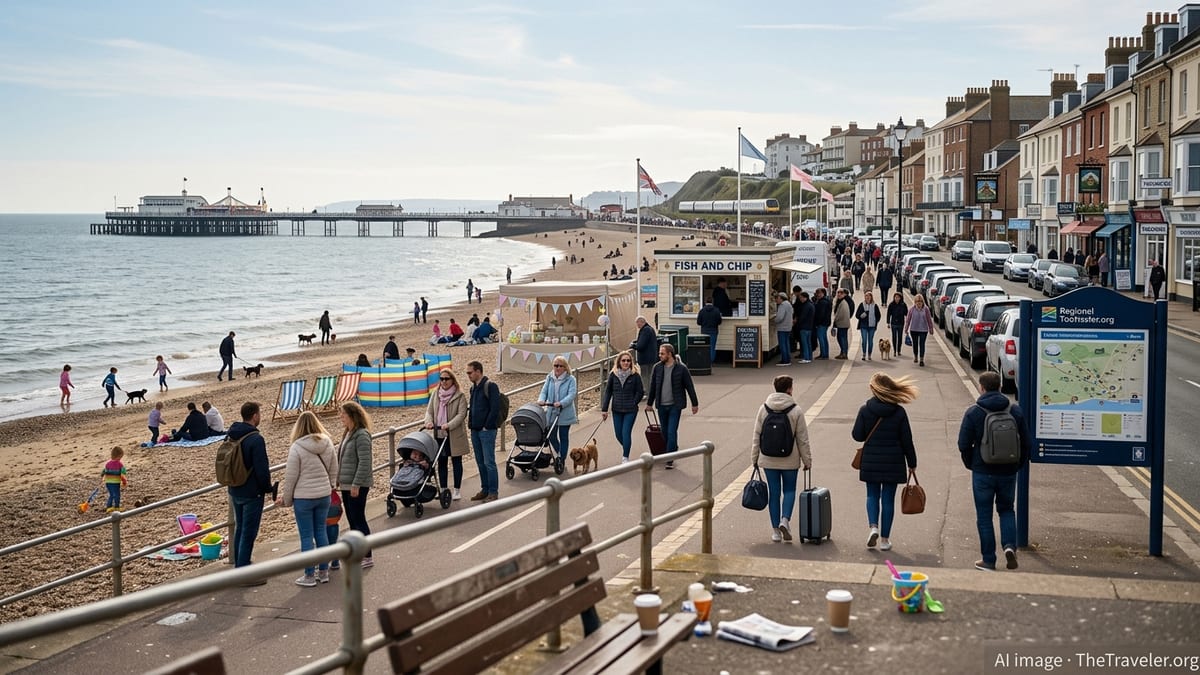
Britain’s tourism industry is poised for a record-breaking Easter as more than twelve million UK residents are projected to choose domestic getaways, delivering close to five billion pounds in visitor spending and underscoring the strength of the country’s staycation trend.
Get the latest news straight to your inbox!
Record Domestic Easter Travel Builds on Recent Highs
The latest projections build on a run of strong Easter performance in the UK’s domestic tourism market. VisitEngland’s most recent Easter Trip Tracker has already identified more than ten million people planning overnight Easter breaks within the country, with associated spending previously calculated in the multibillion-pound range. That figure has been edging higher year on year as more travellers opt to remain in Britain over the long weekend.
Industry analysis indicates that aggregating firm domestic bookings with those who typically decide closer to departure pushes the likely total beyond twelve million residents taking a UK-based Easter trip. With average per-trip spending rising, forecasts suggest that this year’s holiday period could approach or exceed a five billion pound contribution to the wider economy, once accommodation, food, attractions, transport and retail are taken into account.
These volumes would outstrip earlier benchmarks where Easter staycation numbers were closer to six or seven million and economic impact estimates sat well below the three billion pound mark. The current trajectory supports expectations that the upcoming Easter period will set a new high-water mark for UK holidaymaking at home.
Tourism bodies note that domestic travel has proven particularly resilient, helping to offset fluctuations in overseas visitor numbers and offering a timely injection of demand for regional economies emerging from the quieter winter months.
Cost of Living and Climate Concerns Shape Holiday Choices
The sharp rise in Easter staycations is closely linked to shifting consumer priorities. Publicly available surveys of British travellers highlight that the cost of living remains a decisive factor, with many households seeking to trim transport costs and avoid the volatility of airfares, airport queues and foreign exchange rates. Staying within the UK allows families to book shorter breaks, travel by car or rail, and maintain more control over their budgets.
At the same time, heightened awareness of the environmental impact of long-haul flying is subtly influencing behaviour. While price remains the dominant driver, polling by tourism and travel organisations shows increasing interest in lower-carbon holidays and shorter, more frequent trips taken closer to home. Domestic Easter breaks are seen as a straightforward way for travellers to reduce their footprint without sacrificing a meaningful getaway.
Weather remains a wildcard. Previous Easter surveys have recorded substantial numbers of people who were undecided about taking a UK break because of concerns over rain or late cold snaps. Nonetheless, the robustness of current projections suggests that, even allowing for last-minute changes of plan, the core of committed domestic travellers is now large enough to deliver record participation.
Analysts add that flexible booking policies introduced across much of the industry in recent years have also encouraged more people to commit early, safe in the knowledge they can adapt plans if conditions change.
Regional Hotspots From Coastlines to Countryside
The anticipated swell in domestic holidaymakers is expected to be felt across the UK’s most popular Easter destinations. Traditional seaside counties in England and Wales, national park regions from the Lake District to Snowdonia, and heritage-rich cities such as York, Bath and Edinburgh typically see a sharp spike in bookings across the long weekend. Early indicators from accommodation platforms and regional tourism boards point to strong advance reservations in many of these areas.
Shorter breaks are shaping patterns of demand. Industry reporting suggests a continued rise in two and three-night stays, often centred on family-friendly attractions, walking routes and food-focused experiences. Self-catering cottages, holiday parks and serviced apartments remain in high demand, particularly for multi-generational trips where larger properties and on-site facilities are attractive.
Urban destinations are also expected to benefit from the record domestic turnout. Cultural events, museum programmes, theatre performances and sporting fixtures staged over Easter typically draw city-break visitors seeking a mix of shopping, dining and entertainment. Rail-accessible hubs are especially well placed to capture late bookers in search of car-free travel options.
Local authorities and business groups in leading visitor areas have been using recent weeks to prepare for heavier footfall, with focus on transport capacity, parking, visitor information and staffing levels in hospitality and retail.
Economic Ripple Effect Across Hospitality and Retail
The nearly five billion pounds in projected Easter spending is expected to cascade across a wide swathe of the UK economy. Previous domestic Easter surveys have shown that accommodation typically accounts for the largest single share, but day-to-day on-trip spending on dining, drinks, groceries and attractions collectively rivals room revenue in scale.
Hospitality businesses in particular rely on the Easter period as an early-season stress test and cash-flow lifeline. Pubs, restaurants, cafes and independent food producers often report some of their strongest spring trading days over the long weekend, feeding into hiring decisions and investment plans for the peak summer months. Retailers in resort towns and city centres likewise benefit from higher visitor numbers and increased discretionary spending on clothing, gifts and leisure goods.
Transport operators, from train companies and coach firms to regional airports handling domestic flights, are another major beneficiary. Higher passenger volumes support revenue at a time when operators continue to adapt to changing commuting patterns and demand for leisure travel. Ancillary services, including petrol stations, car rental providers and roadside service areas, also see a measurable uplift.
Economists observing the sector note that concentrated holiday spending can have a disproportionate effect on local GDP in rural and coastal communities, where tourism represents a significant share of employment and business activity. A record Easter staycation season therefore carries implications that extend well beyond the four-day weekend.
Staycation Momentum Points to a Longer-Term Shift
The strength of domestic Easter bookings aligns with a broader staycation movement that has taken hold across the UK in recent years. Industry trackers show that a clear majority of Britons now plan at least one holiday at home each year, with many alternating between domestic and overseas trips rather than prioritising foreign travel exclusively.
Travel trade publications and national statistics indicate that UK residents are spreading trips more evenly throughout the year, using Easter and other bank holidays as anchors for multiple short breaks. This pattern benefits destinations that can now market shoulder seasons more aggressively, easing pressure on peak summer weeks while sustaining employment for a longer portion of the calendar.
Accommodation providers and tour operators have responded by diversifying their offers, adding themed itineraries, wellness retreats, adventure activities and food-led experiences tailored to domestic tastes. The rise of remote and hybrid work has further blurred the lines between holiday and home, with an increasing number of travellers combining leisure with flexible working patterns in rental properties and holiday parks.
With more than twelve million residents expected to travel within the country for Easter and spending projections approaching the five billion pound mark, the coming holiday period is being viewed within the industry as a bellwether for the 2026 season. If current trends hold, the UK’s staycation surge may be shifting from a post-pandemic adjustment into a lasting structural feature of British travel habits.