

More news on this day
British holidaymakers are doubling down on home comforts abroad, with new research highlighting a distinctly UK approach to packing that prioritises teabags, sliced bread and even clothes pegs, while travellers from France, Italy and Spain concentrate more on space saving and minimalist suitcases.
Get the latest news straight to your inbox!
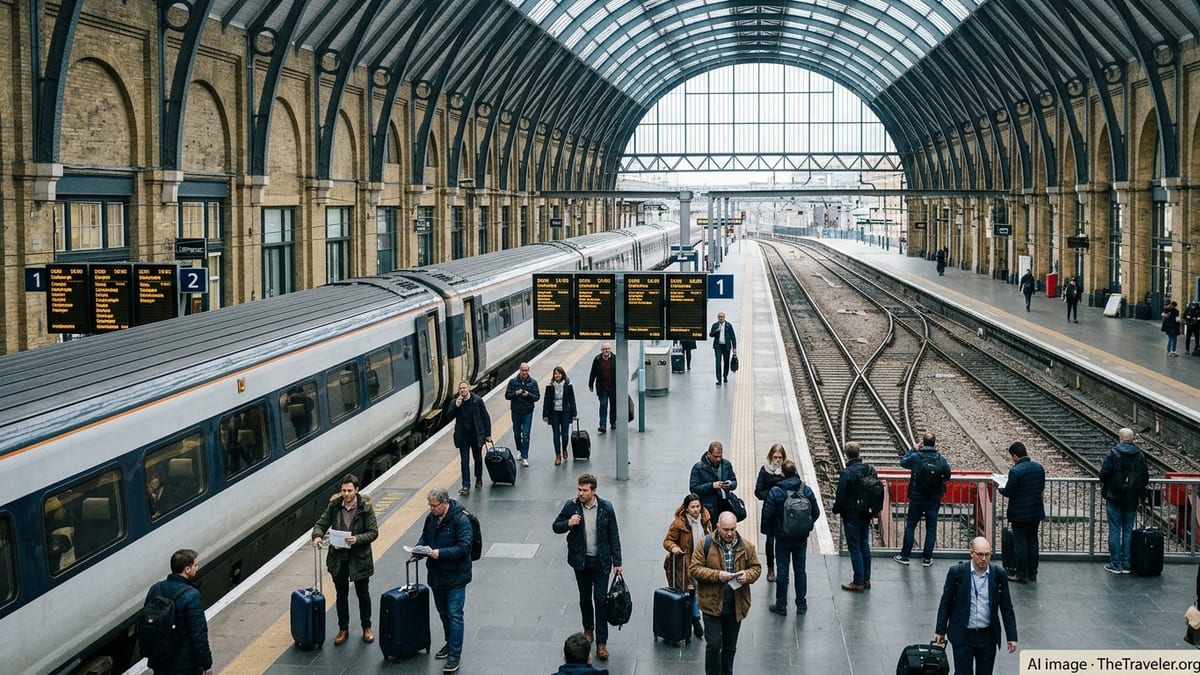
Surveys Spotlight Britain’s Love of Home Comforts Abroad
Recent travel and consumer surveys suggest British holidaymakers are far more likely than their European neighbours to reserve valuable suitcase space for familiar comforts from home. Research published in 2024 for a major UK bank’s travel insurance arm reported that teabags ranked among the most commonly packed “non-essential” items, alongside personal pillows, childhood teddies and travel kettles. The same study highlighted that around 13 percent of British respondents routinely add clothes pegs to their luggage, treating them as a must-have accessory rather than something to be picked up at a resort.
Separate data compiled by comparison platforms and travel brands over the past year reinforces the picture of a nation that prefers to bring its own refreshments. Teabags, biscuits, cereal and even tins of baked beans regularly feature in lists of items that Britons insist on carrying across borders. Although proportions vary from survey to survey, several large-scale polls of more than 2,000 UK adults indicate that roughly one in three to one in four holidaymakers still pack their preferred brand of tea for trips overseas.
By contrast, publicly available European travel trend reports show that respondents in France, Italy and Spain tend to rank clothing, toiletries and electronics far above food or household items when listing packing priorities. While all nationalities acknowledge some level of overpacking, the UK stands out for the sheer volume of comforting snacks and kitchen-cupboard staples that make it into suitcases destined for the Mediterranean and beyond.
Industry observers note that these habits persist despite the wide availability of international products in European supermarkets and resorts. The continued willingness of Britons to allocate baggage allowance to everyday goods is being interpreted by analysts as a reflection of both strong brand loyalty and lingering concerns over the cost and quality of tea and familiar foods abroad.
Teabags Take Centre Stage in British Suitcases
Teabags have emerged as the defining symbol of the UK’s distinctive packing culture. Multiple consumer surveys since 2024 have identified tea as the single most common food item taken overseas by British tourists, outpacing biscuits, crisps and confectionery. In one nationally reported poll, more than a third of respondents admitted they “cannot manage without” their preferred brew and believe “tea is not the same” in foreign hotels and apartments.
Travel media coverage indicates that this devotion extends across age groups, although younger adults are increasingly prominent among those who pack tea as part of a broader collection of personalised travel accessories. Millennials and Gen Z travellers feature strongly in datasets that track the carriage of refillable water bottles, coffee pods, herbal teabags and compact kettles, suggesting the habit has evolved rather than faded.
Retail and price-comparison studies frequently cited in UK travel reporting point to a further reason for packing tea: cost. Analyses of supermarket prices in popular destinations such as Spain and France show imported British tea brands selling at a noticeable premium compared with domestic labels. For travellers heading to resorts and islands where international products are especially marked up, bringing tea from home can feel like an obvious budget decision.
While continental travellers are not immune to taking food abroad, available survey breakdowns for France, Italy and Spain put specific grocery items far lower in packing hierarchies. French respondents are more likely to emphasise skincare, electronics and books; Italians highlight footwear and outfits for evening socialising; Spanish travellers consistently mention luggage weight and airline fees as key concerns. Across these markets, tea rarely appears as a stand-alone packing priority in the way it does in UK-focused datasets.
Clothes Pegs, Pillows and the Rise of the “Prepared Brit”
If teabags are the headline, clothes pegs and pillows underline a broader story of British preparedness. In the 2024 UK survey commissioned by a high street bank, around one in eight respondents said they pack clothes pegs as standard. The items are used for everything from securing towels to balcony rails to improvising extra hanging space in compact hotel bathrooms. This finding has gained traction in travel trade coverage as an example of how practically minded some UK tourists have become.
The same research found that a notable share of British holidaymakers travel with their own pillows, blankets or soft toys, especially when flying with budget carriers or staying in self-catering apartments. Analysts suggest this speaks to a desire to control comfort in unfamiliar environments, particularly for families with young children. It also aligns with comments from tour operators who report growing customer interest in accommodation imagery that shows bedding and storage in detail.
These comfort-driven choices contrast with packing profiles seen in publicly available surveys of French, Italian and Spanish travellers. In a multi-country packing study commissioned by an online travel agency in 2025, respondents from Mediterranean markets were most likely to cite techniques that reduce volume, such as rolling clothes or relying on hotel laundry, rather than adding extra household items. Packing cubes, vacuum bags and strict capsule wardrobes featured heavily in the responses from Spain, Italy and France.
UK participants in the same and similar surveys, however, were more inclined to admit to bringing additional gadgets, favourite snacks and “just in case” items that add both weight and bulk. Commentators argue that this divergence helps explain why British travellers feature so prominently in discussions about rising luggage allowances and the continued popularity of checked bags despite efforts by airlines to reward lighter travel.
Europe’s Minimalists: How France, Italy and Spain Pack Differently
Across mainland Europe, travellers face many of the same pressures as their British counterparts, from strict airline baggage policies to busy airport terminals. Yet, according to pan-European research carried out by insurance companies and travel agencies in 2024 and 2025, packing strategies in France, Italy and Spain tend to converge around space-saving and style rather than home comforts.
In Spain, an international survey of 9,000 travellers reported that a large majority of respondents focus on rolling clothes tightly to avoid excess baggage fees. Similar findings from France and Italy highlighted the popularity of minimalist packing lists, with emphasis on mix-and-match outfits, compact toiletries and limiting shoes to two or three versatile pairs. Food items and household accessories such as clothes pegs barely registered in these responses.
European holiday trend barometers also point to shorter average trip durations for some continental travellers, which may encourage more restrained packing. Weekend city breaks and regional getaways are especially common among French and Italian holidaymakers, reducing the perceived need to bring backup supplies. Spanish travellers, meanwhile, show relatively high confidence in purchasing what they need at their destination, reflecting the dense network of supermarkets and pharmacies in domestic resort areas.
Despite these differences, analysts stress that no group is entirely free from overpacking. However, the available evidence suggests that Britons are more willing than their European neighbours to trade space in their bags for emotional reassurance. The contrast is now sharp enough that travel commentators increasingly frame British packing habits as a cultural marker in their own right.
What the Trend Reveals About UK Travel Culture
The growing body of data on British packing practices offers a window into broader attitudes toward travel. Observers note that UK holidaymakers place strong value on predictability and familiar routines, particularly when navigating language barriers or perceived uncertainty around local products. Packing teabags, bread, biscuits and small domestic items such as pegs allows travellers to recreate a slice of home in hotel rooms and holiday rentals.
Economic considerations also play a role. With the cost of living remaining a prominent concern, British consumers appear more sensitive to the possibility of paying extra for imported brands abroad. By filling suitcases with essentials bought at domestic prices, many hope to avoid what they view as unnecessary holiday mark-ups, even if this means carrying heavier bags through airports and train stations.
For destinations popular with UK visitors, the trend has practical implications. Retailers in resorts across Spain, Italy and France increasingly stock British tea, cereals and snacks to meet demand, while airlines and tour operators continue to debate how best to balance baggage limits with customer expectations. Some carriers serving UK markets have highlighted luggage allowance adjustments in their marketing, implicitly acknowledging that British travellers are unlikely to abandon their home comforts any time soon.
As the 2026 peak travel season approaches, the latest wave of surveys suggests that the UK will continue to stand out within Europe for its distinctive approach to packing. While continental neighbours refine minimalist strategies, many Britons look set to keep prioritising the reassuring weight of a fully stocked suitcase, complete with teabags and clothes pegs tucked neatly on top.