


More news on this day
British travellers are being urged to avoid all travel to parts of Indonesia after a significant eruption at Anak Krakatau sent ash clouds across western regions, disrupted thousands of journeys and triggered updated government safety advice.
Get the latest news straight to your inbox!
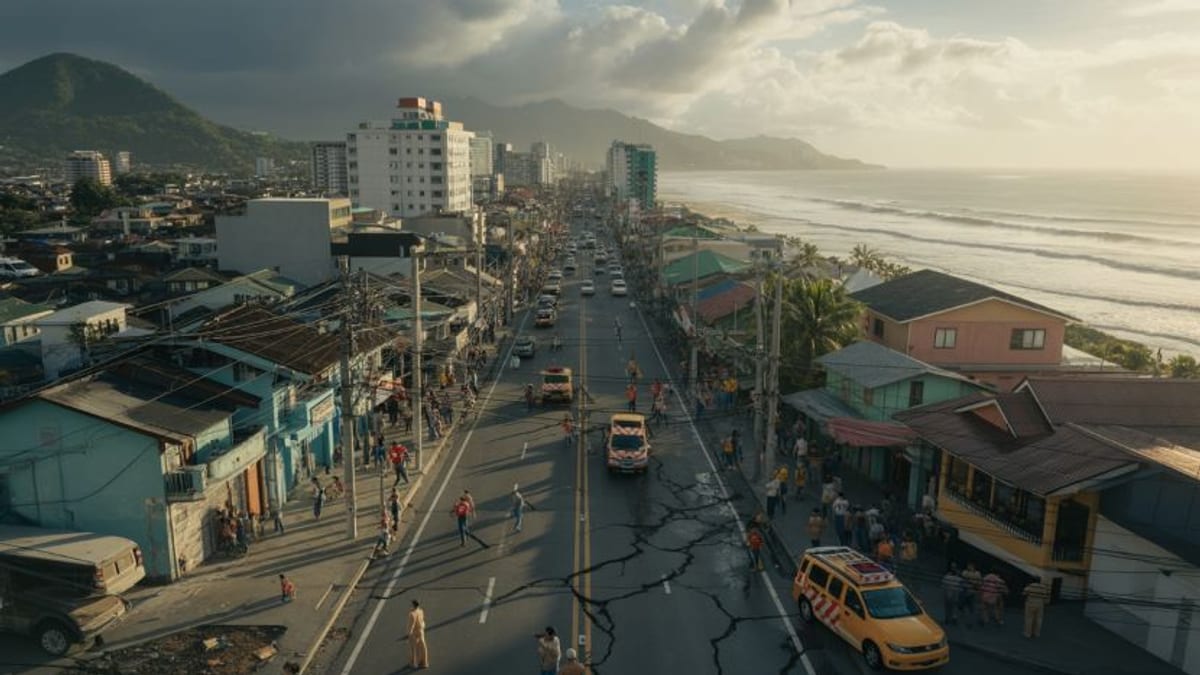
Targeted UK travel warning after ash clouds spread
Updated guidance from the UK government advises against all travel to specified areas of Indonesia following the latest eruption of Anak Krakatau in the Sunda Strait between Java and Sumatra. The change, reflected in revised Foreign, Commonwealth and Development Office (FCDO) travel advice on 7 September 2026, highlights heightened risks from volcanic ash, potential further activity and associated disruption across parts of western Indonesia.
The advice sits alongside long standing regional cautions for volcanic zones already subject to higher alert levels. Briefing maps published with FCDO travel advice use red shading for locations where travel is not recommended under any circumstances and orange for areas where only essential travel is advised, capturing parts of Indonesia’s most active volcanic belts.
The latest update follows a sequence of eruptions at Anak Krakatau over the weekend that sent columns of ash high into the atmosphere. Reports from aviation and meteorological monitoring services indicate that the ash cloud spread widely across flight corridors serving Jakarta and other western hubs, prompting authorities to close airspace temporarily in affected sectors.
Indonesia’s geography, straddling the Pacific “Ring of Fire”, means active volcanoes are common across the archipelago. Published safety information notes that volcanic activity can intensify quickly, and exclusion zones may be extended at short notice, leaving nearby locations temporarily inaccessible even if they are popular with tourists during quieter periods.
Flight cancellations and airport closures hit travellers
The Anak Krakatau eruption has led to severe disruption across Indonesia’s aviation network. Coverage from international and regional media describes thousands of passengers stranded after Jakarta’s main Soekarno Hatta International Airport suspended operations due to encroaching ash clouds. A secondary Jakarta airport and several other western Indonesian airports have also faced closures or restricted services as ash levels fluctuated.
Aviation tracking data and airline statements show that hundreds of flights were cancelled or diverted on 6 and 7 September, affecting domestic routes as well as regional links to Singapore, Australia and other Southeast Asian destinations. Some airlines have rerouted services via alternative Indonesian cities or neighbouring countries where conditions remain clear.
The FCDO’s overarching Indonesia travel page now specifically highlights the potential for delays and cancellations at Jakarta’s airports due to volcanic ash. British nationals already in Indonesia are encouraged, through publicly available advice, to stay in close contact with their airlines or travel providers and to allow extra time for onward connections, even if they are travelling from regions far from the eruption itself.
Although airports in popular holiday destinations such as Bali remain open, aviation advisories illustrate how quickly flight plans can change when ash clouds shift with prevailing winds. Travellers are being reminded that even areas unaffected on the ground can experience knock on effects if aircraft and crews are out of position elsewhere in the network.
Which areas are affected by stronger FCDO warnings
The UK government does not apply a blanket warning against all travel to Indonesia, but certain regions are now subject to stricter advice. The FCDO’s regional risk section outlines locations where travel is considered too dangerous due to active volcanic hazards or related secondary risks such as lahars and landslides.
Mapping documents produced for the FCDO show red zones around some high risk volcanoes where travel is advised against entirely, alongside orange shaded zones where only essential visits should be considered. For some slopes and valleys near highly active craters, guidance points to specific exclusion corridors, often following river channels that could carry mud and debris flows if heavy rains occur after an eruption.
Beyond the areas directly around Anak Krakatau, alerts remain in force for several other active Indonesian volcanoes. The safety and security section of the official travel advice stresses that volcano alert levels can change, and that local authorities may increase exclusion distances or evacuate communities within a radius of three to seven kilometres or more from an erupting crater.
Travellers planning hiking or sightseeing trips in volcanic regions are urged to check the latest local restrictions before setting out. Tour operators may suspend summit treks or crater visits when activity rises, even if surrounding towns appear calm. Established routes, such as popular sunrise viewpoints, can fall inside temporary no go areas during periods of instability.
Implications for upcoming trips and travel insurance
The tightening of travel advice has important implications for travellers from the UK who have already booked trips to Indonesia. The warnings and insurance section on the FCDO site explains that many insurers link cover directly to the level of official advice for a destination. Where the UK government advises against all travel to a specific area, some standard policies may no longer provide cover for trips into that zone.
British visitors with imminent plans are being directed, via public guidance, to check both the overall country page and the detailed regional breakdown to understand whether any part of their itinerary falls inside a no travel or essential travel only area. If it does, they may need to speak to their airline, tour operator or insurer about rerouting, postponing or cancelling affected segments.
Even where an itinerary avoids restricted zones, the widespread nature of the ash disruption means knock on delays are likely in the short term. Commercial options to leave Indonesia remain available, but published advice notes that travellers should be prepared for longer journeys, potential overnight stays near airports and last minute schedule changes while airlines work through backlogs.
For those still at the planning stage, the official travel pages recommend monitoring updates closely in the days before departure. Volcanic conditions can ease as quickly as they escalate, but insurers and transport providers may require that travellers follow the most recent official advice at the time decisions are made.
Practical guidance for British visitors already in Indonesia
British nationals currently in Indonesia are encouraged to keep monitoring local media, airport announcements and the FCDO travel advice feed for developments. The safety and security information for Indonesia underlines that natural hazards such as earthquakes, tsunamis and volcanic eruptions can occur with limited notice, and that travellers should be ready to adapt plans quickly.
In the context of the Anak Krakatau eruption, this means avoiding restricted areas around the volcano, respecting any cordons and evacuation orders, and staying clear of river valleys designated as potential lahar routes. In urban centres affected by ashfall, basic precautions highlighted in disaster preparedness guidance include limiting outdoor exposure, using masks where recommended and protecting eyes and electronics from fine particles.
Travellers are advised to keep important documents, including passports and flight confirmations, in easily accessible waterproof containers in case sudden movements are required. It is also sensible to maintain charged mobile phones, power banks and local emergency contact numbers at all times during periods of heightened volcanic activity.
Publicly available health guidance on Indonesia points out that air quality can deteriorate during major eruptions, which may be of particular concern for people with pre existing respiratory conditions. Those affected are encouraged to seek local medical advice if they experience breathing difficulties and to inform insurers promptly if treatment is required while travel plans are disrupted.
With Anak Krakatau’s activity still being closely monitored and the ash cloud gradually dispersing, conditions for travel are likely to evolve over the coming days. For British visitors, the central recommendation is to align decisions with the latest FCDO and local guidance, avoiding all travel to any areas designated as too high risk while remaining flexible about routes and timings elsewhere in the archipelago.
UK FCDO Indonesia travel advice
UK FCDO regional risks: Indonesia
Associated Press coverage of Anak Krakatau eruption and flight disruption