


More news on this day
Minor coastal flooding in downtown Ocean City, Maryland, is disrupting streets and parking access just as the city’s four day Sunfest celebration opens along the Boardwalk and Inlet, prompting a travel warning for visitors planning to drive into the resort this weekend.
Get the latest news straight to your inbox!
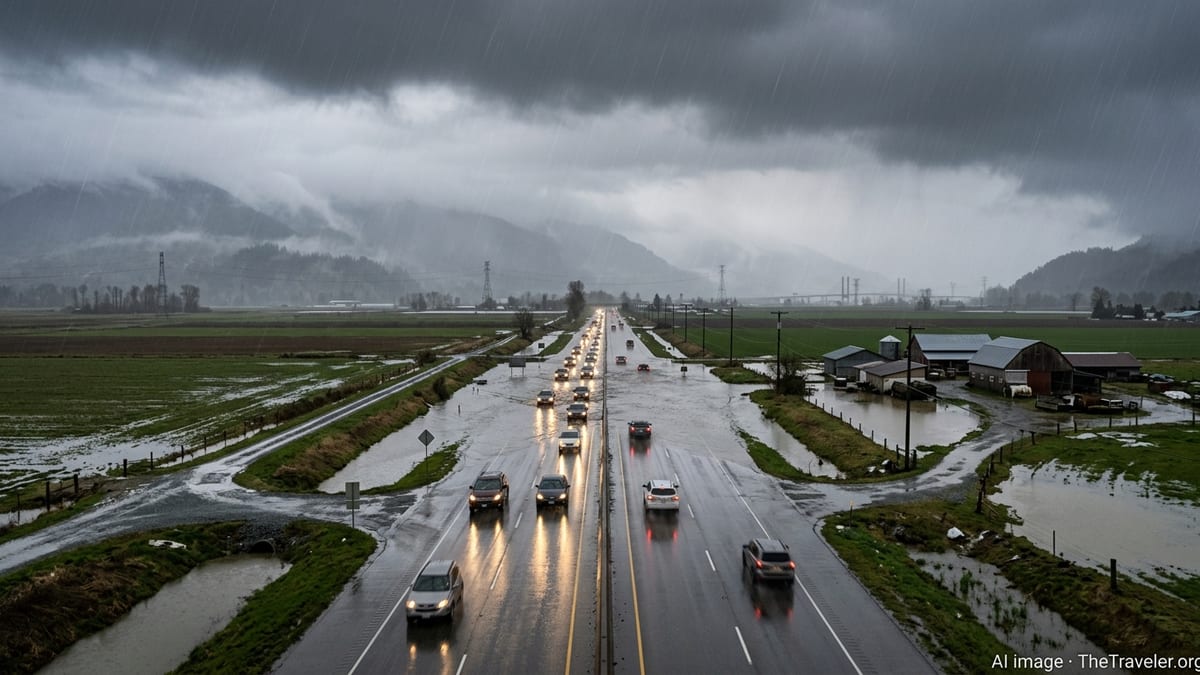
High Tides and Coastal Flooding Hit Downtown and Inlet
Recent ocean conditions tied to a coastal storm system well offshore have pushed water into low lying areas of downtown Ocean City, with reports indicating ponding and saltwater overwash around the Inlet lot and nearby bayside blocks on Friday morning. Local television coverage and social media images from late September, during a similar nor’easter event, already highlighted how quickly these streets can flood when strong onshore winds coincide with high tide.
Forecast discussions from the National Weather Service continue to flag an elevated risk of minor coastal flooding along the Maryland beaches, including Ocean City, as persistent onshore flow keeps water levels above normal around times of high tide. Publicly available information notes that Ocean City’s downtown is especially prone to nuisance flooding, reflecting long term trends in high tide events along the Mid Atlantic coast and the town’s own nuisance flooding plan, which identifies the Inlet area and older bayside streets as recurring trouble spots.
Travel updates shared through regional media indicate that drivers encountered standing water near the Inlet and on select downtown cross streets during the recent September nor’easter, prompting advisories to slow down, avoid wake making, and use alternate routes when possible. While rainfall totals connected to the current offshore system are expected to be limited, elevated tides and wave runup are enough to cause shallow flooding on some low lying roadways, particularly during the evening and overnight high tides.
Beach cameras and traffic feeds focused on the south end of the Boardwalk show rough surf and reduced beach width but no widespread structural damage along the oceanfront. The most immediate impacts are instead being seen bayside and around the Inlet parking areas that border the back bay, where water can rise quickly with little warning when wind, tide, and pressure patterns line up.
Travel Warning Emphasizes Route Choices and Parking Limits
In response to the flooding risk, regional news coverage indicates that drivers heading into Ocean City are being urged to plan their routes carefully, with particular attention to bridge approaches and downtown access points. During the September nor’easter, Ocean City travel information channels recommended that motorists favor Maryland Route 90, which enters the island farther north, rather than Route 50, which feeds directly into the downtown and Inlet area that is more exposed to coastal flooding.
With water once again pooling in low spots around the southern end of town, similar advice is being echoed for the Sunfest weekend. Travelers arriving from the west who do not need immediate access to the Inlet are encouraged to use Route 90, then proceed along Coastal Highway toward their lodging before considering a secondary trip downtown. This approach reduces congestion on flood prone streets and helps keep heavier vehicles away from areas of standing water.
Parking availability near the festival grounds is also being affected. The Inlet lot, which typically hosts a large portion of Sunfest parking, sits at the lowest elevation on the barrier island and is among the first locations to see saltwater overtopping during strong onshore wind events. Reports from recent nor’easter coverage showed sections of this lot submerged or cordoned off, forcing drivers to relocate to garages and surface lots farther north along the Boardwalk and Coastal Highway.
Visitors arriving for Sunfest are being advised through tourism and event information pages to review town transportation options, including park and ride services from West Ocean City and bus connections along the Coastal Highway corridor. Publicly available guidance stresses that motorists should never attempt to drive through deeper standing water, both to protect vehicles and to avoid pushing additional surge onto nearby properties and sidewalks.
Sunfest Opens at the Inlet Amid Challenging Conditions
Despite the flooding concerns, Sunfest is proceeding as scheduled at the south end of Ocean City’s Boardwalk. Official event information lists the 2026 edition of the festival from Thursday, October 22, through Sunday, October 25, at the Inlet, with hours running from 10 a.m. to 7 p.m. on Thursday through Saturday and until 6 p.m. on Sunday. Publicly available tourism material describes Sunfest as one of the region’s largest outdoor arts and entertainment events, drawing tens of thousands of visitors for live music, crafts, food stalls, and family activities.
The festival footprint occupies the Inlet parking area and adjacent Boardwalk space, placing it directly next to the Atlantic Ocean on one side and the back bay on the other. This scenic location is a key part of Sunfest’s appeal but also heightens the event’s sensitivity to weather and tide conditions. Historical accounts note that Ocean City’s major festivals have at times been disrupted by coastal storms, and this year’s offshore system is again testing the town’s balance between visitor access and safety.
Event schedules published by the town and tourism organizations show live entertainment across multiple stages, rows of regional artisans selling handmade goods, and an expanded food and beverage lineup. The 2026 program also incorporates Wine on the Beach inside the Sunfest grounds on Friday and Saturday, adding ticketed tastings from Maryland and regional wineries to the festival mix. Organizers have signaled through public information channels that they are monitoring conditions and will adjust specific activities or layouts if necessary to account for tidal flooding or strong wind.
Vendors and performers are being asked through event guidelines to secure tents and equipment against gusty conditions, while attendees are encouraged to pack layers and windproof outerwear. Even during periods of sunshine, the combination of ocean breeze, spray, and passing showers can make the Inlet feel significantly cooler and wetter than locations just a few blocks inland.
Transportation, Shuttles and Getting Around During High Water
For visitors who choose to leave their cars outside the downtown core, Ocean City Transportation services provide an alternate way to reach Sunfest without driving through flood prone streets. Publicly available transit information describes a network that includes the Coastal Highway Beach Bus, which runs the length of the island, and a Park N Ride connection from West Ocean City into downtown. During Sunfest and other major events, additional express service is typically scheduled between the West Ocean City Park N Ride and the South Division Street Transit Station near the festival area.
Documentation on Ocean City’s transportation operations indicates that special event bus service normally begins early in the morning and continues into the late evening, allowing visitors to park in higher, inland lots west of the Route 50 bridge and rely on transit to navigate the island. This reduces the number of vehicles attempting to cross low causeways or park near the Inlet at times when tides may still be running above normal.
Travel forums and recent regional coverage of the September nor’easter suggest that bayside lodging areas and ground level parking lots can be especially vulnerable to brief but disruptive flooding episodes. Some visitors have responded by relocating cars to higher street parking or structured garages overnight when models point to a higher high tide. For those arriving during the current Sunfest weekend, a similar strategy is being recommended in publicly available advice: park once, avoid unnecessary short vehicle trips downtown during high tide windows, and rely on walking or buses when possible.
Pedestrians are being reminded through safety messaging to watch for uneven pavement, hidden curbs, and floating debris in any pooled water. Even shallow brackish flooding can conceal hazards, and repeated saltwater exposure is hard on footwear and bicycle components. Cyclists planning to attend Sunfest events, including associated bicycle shows or rides listed on town event calendars, are encouraged to use designated racks and avoid leaving bikes in low lying bayside corners of lots where tidal water tends to collect.
What Travelers Should Expect Through the Weekend
Weather outlooks for the broader Mid Atlantic region point to a gradual improvement in wind and surf conditions later in the weekend as the offshore system weakens and drifts away. Forecasts summarized in regional broadcast coverage still highlight elevated seas, strong rip currents, and the potential for minor coastal flooding at times of high tide along the Delmarva coast, including Ocean City, at least through Saturday.
For travelers, this means a mixed picture: Sunfest’s music, food, and artisan markets are open and drawing crowds, but itineraries may require extra flexibility. Driving directly into the downtown and Inlet area during peak tide cycles could involve detours or delays where water briefly covers sections of pavement, particularly on the bayside and around the Inlet lot. Those willing to park farther north or west and use public transit, walking, or bicycles will likely find it easier to navigate.
Tourism resources for Ocean City continue to emphasize that fall remains one of the most popular times to visit, with cooler air, lighter overall traffic, and major events such as Sunfest anchoring the late season. At the same time, local planning documents acknowledge that high tide flooding days have been increasing over the past decade, prompting ongoing investments in stormwater management, dune maintenance, and long term shoreline protection projects.
As the 2026 Sunfest weekend gets underway, travelers are being urged through publicly available advisories and coverage to stay informed about tide times, check the latest local forecasts before setting out, and build a bit of extra time into any drive across the bridges or through downtown. With cautious planning, many of the impacts from the current flooding episode can be managed, allowing visitors to enjoy the festival atmosphere even as Ocean City continues to confront the realities of a changing coastal environment.