


More news on this day
The United Kingdom is maintaining heightened travel advice for Italy after a wave of October unrest that saw riots, looting and clashes with police in central Milan, prompting continued calls for British visitors to stay alert in major cities even as tourism largely carries on.
Get the latest news straight to your inbox!
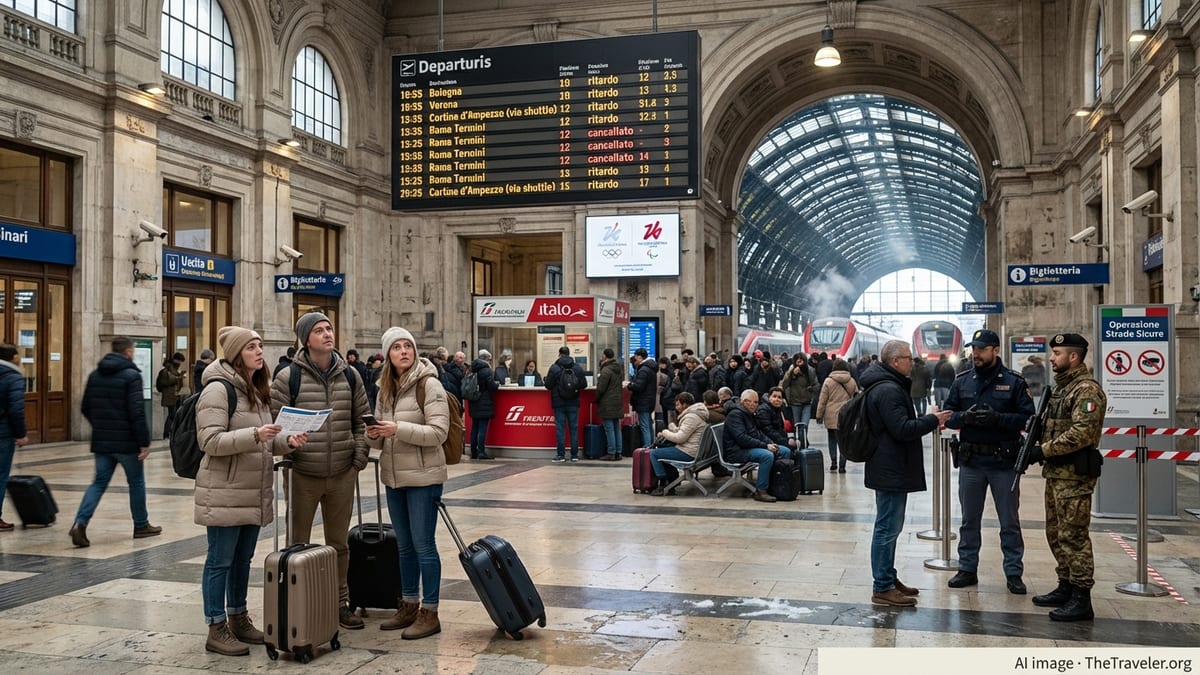
Updated UK guidance highlights risk around demonstrations
Recent changes on the UK government’s Italy advice page underline the potential for sudden demonstrations in urban centres and note that some have turned violent, including incidents of looting in Milan’s shopping streets in mid October 2026. The safety and security section of the guidance points to an overall low threat level for most travellers but stresses that protests can escalate quickly and are not always announced far in advance.
According to publicly available information, the Foreign, Commonwealth and Development Office has not introduced a blanket restriction on travel to Italy. Instead, it has left its overall advice at a general “see our travel advice before travelling” level while adding language on civil unrest, urging visitors to avoid affected areas, monitor local news and be prepared for disruption if demonstrations occur.
The advisory also notes a continued global security context, including a high threat of terrorism affecting UK interests worldwide, and frames unrest in Italy as one of several factors that travellers should weigh when planning visits to major European destinations.
Travel advisory trackers that compare multiple countries show the UK’s current posture toward Italy as relatively moderate, sitting below the level of warning applied to destinations that face sustained armed conflict or widespread violent unrest, but above the most routine peacetime advice.
Milan at the centre of October riots and looting
The strengthened wording follows several days of turmoil in Milan in the second half of October. Coverage by Italian outlets and international media described large youth led marches linked to broader European cost of living and fuel price protests, which in parts of the city degenerated into street battles, smashed shopfronts and opportunistic looting.
Reports indicate that luxury boutiques and high street retailers around central areas temporarily shuttered their doors after windows were broken and merchandise stolen. Viral footage shared on Italian news channels showed improvised barricades and fires, with riot police using water cannon and tear gas in response to stone throwing and other projectiles.
Italy’s interior ministry data, cited in domestic reporting, described dozens of arrests, including minors, after the worst night of unrest. In the days that followed, police carried out coordinated searches at the homes of suspects across multiple cities, as documented by the national news agency ANSA. Officials framed the raids as a response to what they characterised as organised attempts to incite destruction and looting rather than peaceful protest.
While the most dramatic scenes were concentrated in parts of Milan’s historic centre, demonstrations and clashes were also recorded in cities such as Bologna, Turin and Naples, adding to a sense of nationwide volatility that fed into the UK’s decision to retain cautionary language rather than revert to more neutral wording.
How the unrest is affecting trips on the ground
Despite the high profile images from Milan, information from tourism authorities and traveller reports suggests that the overall risk to visitors elsewhere in Italy has remained limited so far. Key destinations including Rome, Florence, Venice and the Amalfi Coast have continued to welcome large numbers of tourists, with most attractions, museums and hotels operating normally.
Travel advisories from other governments paint a similar picture. The United States classifies Italy as a “Level 2: Exercise increased caution” destination, citing terrorism concerns more prominently than street protests. Canada and Australia also advise travellers to stay aware of the possibility of strikes and demonstrations but stop short of recommending against non essential travel.
Some disruption has been felt in transport and supply chains. Recent fuel price protests by truckers and farmers led to short term road blockages and temporary shortages in certain supermarkets, particularly in parts of the south. A nationwide general strike toward the end of October brought marches to several large cities and caused delays and cancellations in public transport, though most marches concluded without major violence.
For now, there is no indication in official or commercial data that airlines or rail operators are suspending services to Italy because of the unrest. Carriers serving Milan’s airports and rail hubs continue to run regular schedules, although travellers are being advised to allow extra time on days when large demonstrations are announced.
Practical guidance for UK travellers heading to Italy
In its latest update, the UK travel advice for Italy encourages visitors to sign up for alerts, check the Italy page regularly before and during a trip and pay close attention to local announcements once in the country. The guidance highlights city centres, government buildings and university districts as common locations for rallies and protests.
Travellers are encouraged to avoid joining crowds, even out of curiosity, and to move away promptly if they encounter a demonstration. Publicly available safety briefings from risk consultancies recommend choosing accommodation slightly away from typical protest hotspots in Milan, such as the immediate vicinity of major shopping streets and central squares that have featured prominently in recent unrest.
Visitors arriving by air are advised to check airline websites or airport noticeboards on the day of travel, particularly around planned national strike dates, when short notice changes are more likely. Rail passengers booking high speed services between Milan, Rome and other hubs are also directed to monitor operator announcements in case marches or strikes affect staffing or timetables.
Travel insurers in the UK are reminding customers that cover for civil unrest varies by policy. Some plans include benefits related to trip interruption or alternative accommodation if official advice escalates or if travellers are directly impacted by riots, while others treat such events as exclusions. Prospective visitors are being urged to read policy documents carefully and retain receipts and documentation in the event of disruption.
Balancing caution with continued demand for Italian holidays
Tourism analysts note that while the scenes of looting in Milan have raised concerns among would be visitors, there has been no immediate collapse in bookings from the UK market. Italy remains one of the most popular European destinations for British travellers, particularly in the autumn shoulder season and the run up to winter events linked to the Milan Cortina 2026 Winter Olympics.
Data shared by major online travel agencies and hotel comparison platforms points to only marginal changes in booking patterns, with some travellers shifting Milan stays toward lake districts and smaller Lombardy towns, while maintaining itineraries that include Rome, Florence and coastal regions.
Publicly available commentary from European security monitors describes Italy’s overall instability index as low, even after October’s unrest, when measured against countries experiencing prolonged conflict or pervasive violent crime. At the same time, those assessments acknowledge that rapidly mobilised youth movements, economic grievances and social media campaigns have the potential to produce sudden spikes of disorder in specific districts.
For now, the UK’s decision to maintain reinforced travel advice reflects this mixed picture: significant incidents in one of Europe’s key shopping and cultural capitals, but a broader national environment in which most visits continue without serious incident. Prospective travellers are being encouraged to stay informed, build flexibility into their plans and focus on up to date, official information as their departure dates approach.