


More news on this day
Thick fog reduced visibility to under 100 metres across parts of Northern Ireland on Tuesday 3 November 2026, prompting a Met Office yellow warning and raising the prospect of early-morning disruption for residents and visitors moving around the region.
Get the latest news straight to your inbox!
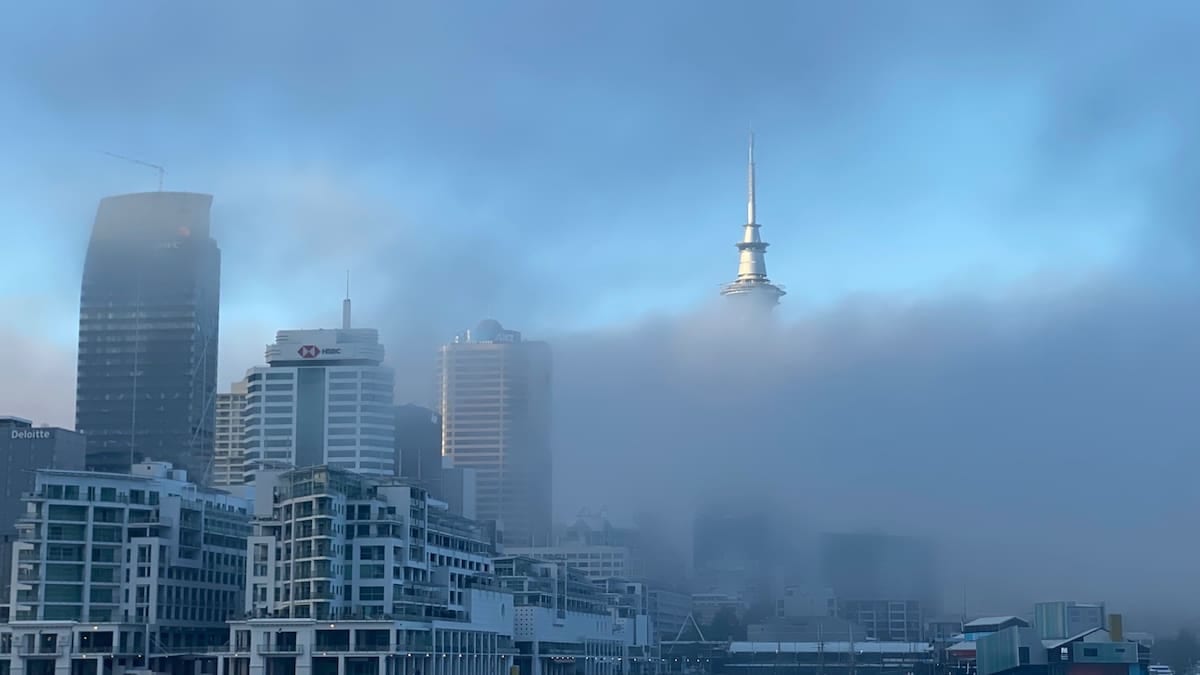
Yellow fog warning covers all six counties
According to publicly available information from the Met Office, a yellow fog warning was issued for the whole of Northern Ireland from 03:48 to 10:00 on Tuesday 3 November. The alert covered all six counties Antrim, Armagh, Down, Fermanagh, Londonderry and Tyrone, with forecasters highlighting the potential for travel delays where visibility dropped sharply.
Guidance associated with the warning indicates that areas of fog, locally dense and reducing visibility to less than 100 metres, were expected, particularly in western parts of the region. The conditions developed overnight and into the early morning, with the fog forecast to thin and clear as the morning progressed.
The yellow designation reflects a combination of high likelihood and moderate impact on the Met Office warning matrix. Publicly available material explains that this level of alert signals a need for people to be aware of potential disruption and to adjust their plans, especially when travelling.
Travel disruption risk for road, rail, sea and air
Travel information services in Northern Ireland echoed the Met Office messaging, with TrafficWatchNI carrying the same yellow fog warning from 04:00 to 10:00. The advisory noted that slower journey times and delays to bus and train services were possible during the peak of the morning commute, particularly where visibility suddenly deteriorated on rural stretches and higher ground.
The guidance also highlighted a risk of delays or cancellations to flights, an important consideration for travellers using Belfast International, Belfast City and City of Derry airports for early departures. While real-time disruption can vary from day to day, aviation operators typically review visibility and runway conditions closely during such fog events, which can affect boarding times and lead to aircraft stacking or diversions.
Ferry passengers were also advised to monitor operator updates, as dense fog can influence sailing schedules in and out of Belfast, Larne and other ports around the Irish Sea. Although many sailings continue in reduced visibility, additional safety procedures and slower approaches to harbour entrances can impact arrival and departure times.
On the roads, the combination of darkness and thick patches of fog posed the most immediate challenge. Travel advisories urged motorists to allow more time for journeys, check that fog lights were working before setting off, and be prepared for sudden changes in visibility when moving between higher and lower ground or crossing river valleys.
Regional picture: fog across Ireland and the Irish Sea
The conditions in Northern Ireland formed part of a wider swathe of fog across parts of Ireland and the Irish Sea region. Met Éireann issued its own status yellow fog warnings for several counties in the Republic of Ireland from late on Monday 2 November into Tuesday morning, underscoring the extent of the stagnant, moisture-laden air mass over the island.
Weather outlooks indicated that the fog was likely to be most persistent in inland and low-lying areas where light winds and clear skies overnight allowed temperatures near the ground to fall, encouraging condensation close to the surface. Coastal areas and higher elevations were expected to see more variability, with some sites experiencing rapid improvements once daylight and slight air movement returned.
Travelers moving between Northern Ireland and neighbouring regions, including cross-border road traffic and flights to mainland Britain, faced similar patterns of patchy disruption risk. While many journeys proceeded with only minor delays, publicly available forecast guidance emphasised the importance of staying in touch with transport providers on the morning of 3 November, especially for time-critical connections.
Why fog warnings matter for travelers
Background information from the Met Office on the UK warning system notes that fog alerts are issued less frequently than warnings for wind or rain, but can have a disproportionate impact on transport once visibility falls below key thresholds. Severe disruption to road traffic becomes more likely when visibility drops under about 50 metres, especially on fast routes such as dual carriageways and motorways.
Community-resilience guidance published by the Met Office describes thick fog as a hazard that can affect all transport networks, from local bus routes and cycle corridors to long-distance rail and air services. Even where no major incidents occur, a combination of cautious driving speeds, altered public transport timetables and operational constraints at airports and ports can add up to significant delays for travellers.
The current yellow warning for Northern Ireland fits into that framework: the likelihood of widespread disruption is lower than during a more intense amber event, but the potential for individual journeys to be affected remains. For visitors who are unfamiliar with local routes or who are relying on tight connections, planning around that uncertainty is a key part of safe travel.
Practical advice for visitors on the move
Travel advisories linked to the 3 November warning encouraged anyone driving in Northern Ireland to slow down, increase following distances and avoid relying solely on satnav instructions in poor visibility. Using dipped headlights, switching on rear fog lights where visibility is severely reduced, and avoiding full beam, which can reflect off the fog, are all highlighted in road-safety campaigns as basic precautions.
Rail, bus and coach passengers were advised to check operator websites or apps before leaving accommodation, as minor timetable adjustments or platform changes can cascade during adverse visibility. Many providers in Northern Ireland and across the wider UK now push disruption alerts through mobile notifications, which can be particularly useful for travellers in unfamiliar cities and towns.
For those flying in or out of Belfast or City of Derry during the warning window, the most reliable information remains the live departure and arrival boards operated by airports and airlines. Publicly available guidance from meteorological and transport bodies stresses that conditions such as dense fog can change rapidly within a few kilometres, so flight status can evolve with relatively little lead time.
Although Tuesday’s fog was forecast to lift by late morning, the combination of an early rush hour, school traffic and commuter flows meant that travellers across Northern Ireland faced a higher-than-usual risk of short-notice changes. Anyone with flexibility to shift departure times outside the warning period, or to build additional buffers into their schedule, was likely to find journeys less stressful as skies brightened and visibility improved.