


More news on this day
A yellow fog warning in force across large parts of England and Wales through Monday morning is prompting alerts for hazardous driving conditions and possible disruption to flights and public transport.
Get the latest news straight to your inbox!
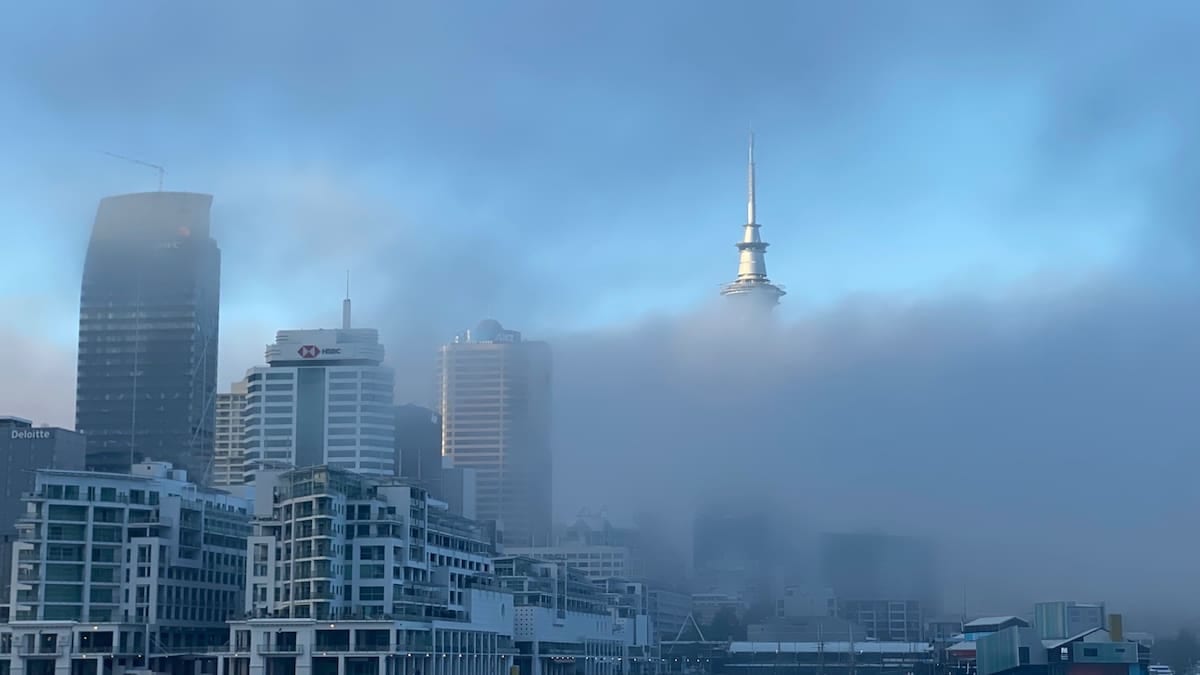
Dense fog grips England and Wales on key travel day
The Met Office has issued a yellow warning for fog running from 6 p.m. on Sunday 8 November until 11 a.m. on Monday 9 November 2026, covering a broad swathe of central and southern England and parts of Wales. Publicly available information describes visibility dropping below 100 metres in some areas, with pockets reduced to around 50 metres, creating challenging conditions for early commuters and long-distance travellers.
The warning corridor stretches from around York in northern England down to Bath in the South West, taking in London and the South East, the Midlands, and sections of eastern and northwestern England. Coverage from national broadcasters reports that the thickest fog has been concentrated over inland river valleys and low-lying areas, including transport corridors used heavily on Monday mornings.
According to published coverage from UK news outlets, the current spell of weather has been described by forecasters as a “perfect recipe” for fog, with clear skies, light winds and cooling ground temperatures allowing moisture near the surface to condense rapidly overnight. The Met Office has highlighted that fog patches may take until late morning to thin, extending the window of potential disruption for school runs and commuter traffic.
The yellow alert comes at the end of a weekend that included Remembrance Sunday events, when many people were already on the move for services and family visits. News reports indicate that organisers and travellers have been watching the forecast closely to assess whether dense patches of fog could linger into Monday and affect return journeys.
Road users urged to slow down as visibility plunges
Met Office guidance for the yellow fog warning notes the likelihood of slower journey times on the roads, with reduced visibility increasing stopping distances and making hazards harder to spot. Public advice materials recommend that drivers check their headlights and fog lights before setting off, reduce speed, and leave greater space between vehicles when visibility deteriorates.
Travel coverage on national television and online platforms has highlighted the risk on motorways and dual carriageways where high speeds can combine with sudden banks of thick fog. In such conditions, even short lapses in concentration can result in multi-vehicle collisions, particularly where drivers do not adjust their speed to match visibility.
Across local A-roads and rural routes, police and highways services are reported to be reminding motorists that patchy fog can be especially deceptive, with relatively clear stretches suddenly giving way to severely reduced visibility in dips and near rivers. In many of the areas under warning, commuting routes cross low-lying farmland and floodplains that are historically prone to fog formation in autumn.
Publicly available road-safety advice also stresses that drivers should avoid using full-beam headlights in fog, as the light can reflect back and further reduce visibility. Motorists are instead being encouraged to rely on dipped headlights and, where appropriate, rear fog lights, switching them off again once conditions improve to avoid dazzling other road users.
Flight schedules under review as fog lingers around airports
The Met Office warning explicitly flags that there is a chance of delays or cancellations to flights where the densest fog intersects with major aviation hubs. National news outlets report that airports in the South East and Midlands are monitoring visibility closely during the early morning peak, a time when arriving and departing traffic is typically heavy on European and domestic routes.
While many larger airports are equipped with advanced landing systems designed to assist pilots in low-visibility conditions, persistent fog can still slow operations by increasing spacing between aircraft, extending taxi times, and requiring extra checks. Publicly available travel updates indicate that even modest delays early in the day can have knock-on effects across the wider network, affecting connections later on Monday.
According to aviation coverage, airlines are advising passengers booked on early-morning departures from affected airports to check the latest status of their flights and allow additional time to reach terminals, given the likelihood of slower road journeys near airports. Some carriers have indicated that they may offer free rebooking in cases where fog triggers more extensive schedule changes, although details vary by operator and route.
Regional airports situated in areas of persistent low cloud and valley fog may be particularly exposed, as short runways and surrounding terrain can limit options when visibility drops. Industry commentators note that smaller domestic flights, including those linking regional English airports with Scotland, Northern Ireland and the Republic of Ireland, tend to be among the first affected in prolonged fog events.
Yellow warning signals moderate impact but widespread reach
Under the UK’s National Severe Weather Warning Service, a yellow warning indicates a high likelihood of weather conditions that have a lower overall impact than amber or red alerts, but which can still cause meaningful disruption to everyday life. Met Office guidance on the alerting system describes yellow warnings as a prompt for the public to “be aware,” particularly where travel and outdoor plans are concerned.
Accessible information about the current event classifies the fog warning as having a high likelihood and a moderate impact, a combination that reflects both the extensive geographical coverage and the role played by road and air travel on a typical Monday morning. The warning is national in scope but varies in intensity, with some areas experiencing only shallow mist and others seeing much more severe reductions in visibility.
Government and local resilience documents on severe weather planning state that warnings for fog are generally issued when forecasters expect visibility to fall below about 50 metres over a sustained period, a threshold at which serious disruption to transport becomes more likely. The same guidance notes that roads, railways and airports are among the most vulnerable sectors when such conditions develop quickly during peak travel times.
The current yellow fog warning follows a series of recent alerts for heavy rain and strong winds in parts of the UK, underlining how rapidly the country’s autumn weather patterns can shift. Travel commentators suggest that the combination of saturated ground, cooler nights and lighter winds now apparent over England and Wales is providing a classic set-up for repeated fog episodes over the coming weeks.
What travellers can do as conditions evolve
With the yellow fog warning due to expire at 11 a.m. on Monday, publicly available advice from forecasters and transport operators stresses the importance of checking for updated forecasts and service information through the morning. Yellow warnings can be updated, extended or cleared as conditions change, and dense patches of fog sometimes reform in the evening where skies remain clear and winds stay light.
For those driving to work, school or airports, planning extra time into journeys is being emphasised as one of the most practical steps to reduce stress and improve safety. Travel planning resources recommend considering alternative routes that avoid river valleys or exposed high ground where fog and low cloud can be slow to lift, and being prepared to delay departure if visibility drops sharply.
Rail and coach passengers are being advised by operators, through public statements and schedules, to monitor live departure boards and service alerts. Although the main rail network is generally less affected by fog than by wind or flooding, speed restrictions and knock-on congestion remain possible where visibility falls very low or where road conditions affect staff and passengers making their way to stations.
For air travellers, analysts suggest paying particular attention to early-morning departure banks from London, Birmingham, Manchester and other airports within the warning area, when visibility is most likely to be at its lowest. Passengers who have flexibility in their plans may benefit from opting for mid-morning or afternoon departures, when the sun has had more time to disperse low cloud and fog, although this depends on airline policies and current availability.