

Few places in Greece blend postcard charm, layered history and easy access to wild nature as perfectly as Chania. Set on the northwest coast of Crete, this compact harbor city feels at once romantic and lived-in, where Venetian mansions lean over the waterfront, Ottoman minarets puncture the skyline and Cretan tavernas spill tables into lantern-lit alleys.
Beyond the old town, mountain gorges, famous pink-sand beaches and vineyard-dotted hills are all realistic day trips. This guide covers what to see and do in and around Chania today, plus practical tips on getting there, getting around and making the most of your stay.
Understanding Chania: A Port City With Layers of History
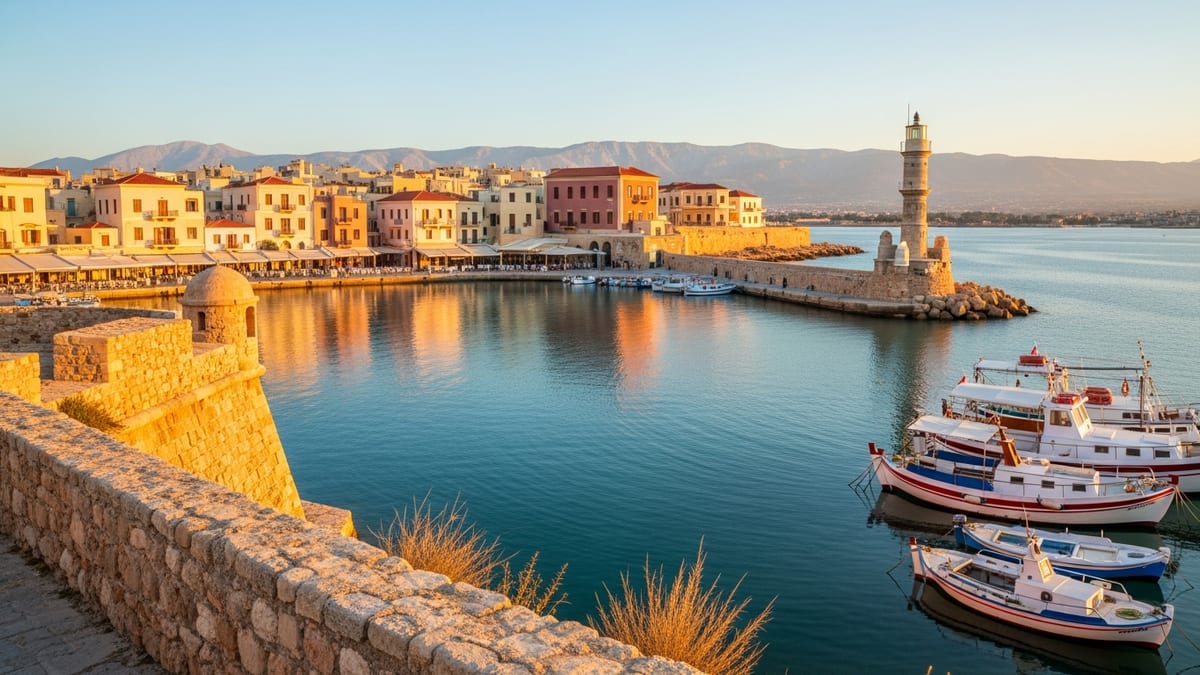
Chania is Crete’s second-largest city and, in many ways, its most atmospheric. The heart of town curls around a 14th-century Venetian harbor, where a stout stone breakwater runs toward the iconic lighthouse that has become Chania’s visual emblem. The waterfront is framed by pastel townhouses, some meticulously restored, others gently fading, with arcades, cafes and seafood tavernas at ground level. Just behind this lively rim, a tangle of narrow alleys hides workshops, boutiques, small churches and traditional homes draped in bougainvillea.
The city’s appearance reflects centuries of strategic importance. Chania evolved from ancient Kydonia, a major Minoan and later Greek and Roman settlement. During the Middle Ages it became a prized Venetian stronghold, then an Ottoman administrative center and, eventually, part of modern Greece after a period of autonomous Cretan rule. Every era left its mark: Venetian arsenals and fortifications, Ottoman hammams and mosques, neoclassical mansions from the brief Cretan State period, and 20th-century additions shaped by war and reconstruction.
For travelers, this layered history is not just background. It shapes how you experience the city on foot. You can walk from the Egyptian-style lighthouse to a Venetian bastion, pass by an Ottoman minaret, then turn into a square dominated by an Orthodox cathedral and a Catholic church. Museums, archaeological sites and guided walks help make sense of it all, but much of the pleasure lies simply in wandering and letting the city’s past reveal itself gradually as you explore.
Top Sights in Chania’s Old Town and Harbor
Most visitors spend their first day in Chania circling the Old Venetian Harbor and exploring the surrounding districts. It is the city’s social center and the best introduction to its character. Start early if you visit in high season, when the waterfront grows hot and busy by midday, and return again in the evening when the harbor lights are reflected in the water and street musicians appear.
The lighthouse, set on the harbor mole, is one of the most recognizable landmarks in Crete. Although you cannot currently climb inside, walking the long stone pier to its base gives you sweeping views back toward the city and the Lefka Ori (White Mountains) rising in the distance. Along the inner curve of the harbor, restored Venetian shipyards line the water, including the Grand Arsenal, now used as a cultural venue. Their tall, arched profiles are a reminder of Chania’s maritime past and the power of the Venetian fleet in the eastern Mediterranean.
Just inland, Halidon Street runs from the harbor into the old town and concentrates several key sights. The Chania Cathedral of the Three Martyrs, a 19th-century Orthodox church, dominates a pleasant square with cafes and small shops. Nearby stands the Catholic Church of the Assumption, and, a short walk away, the Etz Hayyim Synagogue, restored after World War II, highlights the story of Chania’s once-significant Jewish community. The juxtaposition of these religious buildings within steps of each other underscores the city’s long multicultural history.
On the east side of the harbor, the former Ottoman mosque known as the Yali Tzami catches the eye with its squat dome and arches facing the sea. It no longer functions as a mosque, instead hosting art exhibitions and cultural events, but its profile remains one of the most photographed on the waterfront. Continuing around the shore leads you past cafes and tavernas toward the Firkas Fortress, a Venetian-era stronghold that guards the harbor entrance. The ramparts here offer some of the best panoramic views in Chania, especially at sunset when the lighthouse and harbor are bathed in soft light.
Exploring Neighborhoods, Markets and Museums
Move away from the waterfront to find Chania’s quieter faces. The Splantzia district, east of Halidon Street, is a maze of lanes where laundry hangs above cobbled alleys and children play in shady courtyards. Historically a primarily Ottoman neighborhood, it retains a different rhythm from the harbor promenade. At its heart, Splantzia Square is overlooked by the Church of Agios Nikolaos, unusual for having both a bell tower and a minaret, reflecting its shift from mosque back to church. Side streets hide small cafes and ouzeris that feel distinctly local, especially in the cooler evening hours.
To the west of the old port, the Topanas and Kasteli areas climb slightly uphill, offering occasional viewpoints over red-tiled roofs to the sea. This is where you will find a cluster of boutique hotels in restored mansions, intimate wine bars and design-forward restaurants. The narrow streets can feel almost theatrically picturesque, yet this is also where you are likeliest to stumble on a carpenter’s workshop or a resident tending plants in reclaimed doorways. Staying here places you within a short walk of the harbor while removing you just far enough from the busiest restaurant strips.
For a glimpse of everyday life, head to the Municipal Market. The historic indoor market building has been undergoing phased renovations, so its configuration and stall mix can change, but it remains a central place to buy cheeses, olives, herbs, honey, fresh produce and traditional snacks. Even if you are not shopping for self-catering, it is worth visiting to understand Chania’s culinary foundations, from local graviera and mizithra cheeses to herbs collected from the White Mountains.
Chania’s museums round out the cultural picture. The new Archaeological Museum of Chania, relocated to a modern facility in the Halepa district, presents finds from Minoan through Roman times, including artifacts from nearby ancient cities such as Aptera and Polyrinia. Exhibits are arranged with a contemporary approach and the building itself is fully accessible, including features designed to assist visitors with visual impairments. Within the old town, the Maritime Museum of Crete in the Firkas Fortress documents centuries of seafaring, while smaller institutions explore Byzantine history, folklore and even football culture. Together, they help anchor the city’s romantic scenery in a clear historical narrative.
Beaches and Nature: From City Sands to Pink Shores
Chania is not only a city break; it is also a practical base for discovering some of Crete’s most celebrated landscapes. Within walking distance of the old town, Nea Chora beach provides a convenient introduction to the local seaside. This sandy arc, just west of the center, is lined with simple fish tavernas and cafes and is popular with residents who come for a quick swim after work. The water is generally calm, the beach is organized with loungers and umbrellas in season, and the atmosphere is relaxed rather than glamorous.
A little further west, the Agii Apostoli area and the low-key coves around it offer more options. These small bays are sheltered and family-friendly, with shallower waters and some shaded spots under trees. They are reachable by local bus or a short taxi ride, making them realistic for a half-day trip if you do not have a car. On the Akrotiri peninsula east of town, beaches such as Kalathas and Stavros attract day trippers who want a change of scenery without venturing too far.
For many visitors, however, Chania is a launching point to Crete’s most iconic shorelines. Elafonisi, on the southwest coast, is regularly cited among the world’s top beaches for its pale pink sand and shallow turquoise lagoon. Day excursions by bus or organized tour from Chania typically take two to three hours each way, depending on stops and road conditions, and the beach can be very busy in July and August. To enjoy it at its best, consider traveling outside peak hours or in late spring and early autumn, and be prepared to walk beyond the most crowded central section for more space.
Balos Lagoon, near the town of Kissamos, is another signature destination. Its vivid blue shallows and dramatic backdrop of Gramvousa Island are widely used in tourism imagery for Crete. Access options include a rough road followed by a steep footpath descent, or a boat excursion from Kissamos port that combines Balos with nearby coves. Both routes require planning: the drive demands caution on unpaved stretches and the hike back up can be strenuous in the heat, while boat trips are weather dependent and often sell out in high season. From Chania, most visitors join day tours that coordinate the transport logistics so they can focus on enjoying the scenery.
Inland, the White Mountains and their famed gorges are within reach as well. The best-known hike is the Samaria Gorge, a long and demanding trek that usually runs in season from spring to mid-autumn, subject to weather and safety assessments. Organized day trips from Chania typically include bus transfer to the trailhead at Omalos, guidance on the trek, and a boat and bus combination back to the city. For something gentler, smaller gorges such as Imbros or Aradena and rural villages in Apokoronas or around Theriso provide rewarding walking and cycling with less crowds. Whichever landscape you choose, start early, carry water and sun protection, and respect local safety advice.
Getting To and Around Chania Today
Chania is served by an international airport on the Akrotiri peninsula, roughly a 20 to 30 minute drive from the old town depending on traffic. In recent seasons, airlines from across Europe have expanded their routes to Chania, and new summer services are already scheduled for 2026, reflecting the destination’s growing popularity. Seasonal flight schedules can change year to year, so it is sensible to confirm direct options from your home city or consider connecting via Athens if needed. Taxis and prearranged transfers are the most straightforward way into town, while local buses connect the airport with the central bus station at regular intervals during the main season.
If you are already on Crete, Chania is linked by the island’s intercity KTEL bus network to major hubs such as Heraklion and Rethymno. Traditional services between Heraklion and Chania take around three hours with an intermediate stop, but a newer express route now reduces travel time to roughly two hours by running non-stop along the northern coastal highway. Buses typically depart from each city’s main KTEL station and operate several times daily, although exact timetables vary by season. Buying tickets at the station remains the norm, while online booking is increasingly available for some routes.
Within Chania itself, walking is often the best way to navigate the old town and harbor area, where streets are narrow and cobbled and many sections are closed to traffic. Parking around the historic center can be challenging in peak months, prompting the introduction of a park-and-ride facility on the outskirts of town. From there, electric shuttle buses run into the center at regular intervals from early morning until late evening, offering an alternative to circling for on-street spaces. If you plan to rent a car for day trips, consider picking it up after you are settled and familiar with the local road layout, then using designated car parks when returning in the evening.
Local buses connect Chania with nearby suburbs, beaches and villages, using the central KTEL station as a hub. Services to places like Nea Chora, Agii Apostoli, Kalamaki, Kalathas and Stavros are generally more frequent in summer, when demand from residents and visitors peaks. Schedules can be posted seasonally and may change at short notice, particularly at the start and end of the tourist season, so always verify timing locally before setting out. Taxis are widely available around key squares, the bus station and the harbor, and remain a practical backup for short hops or late-night returns.
When to Visit, Safety and Practical Essentials
Chania’s main tourism season runs from roughly April to late October, with distinct experiences depending on when you visit. Late spring and early summer bring mild temperatures, wildflowers in the countryside and generally more comfortable conditions for hiking. July and August are the hottest and busiest months, with crowded beaches, lively nightlife and extended opening hours for many businesses. September and early October can be particularly appealing, as the sea remains warm, crowds thin and the light softens, though occasional autumn storms are possible.
In recent years, Crete has faced seasonal challenges that travelers should factor into planning. Wildfires have periodically affected parts of the island during hot, windy spells, particularly in southern and eastern regions, though major tourist zones around Chania have remained largely operational. Greece as a whole also experiences seismic activity, and occasional offshore earthquakes can be felt in cities like Chania without causing significant damage. Local authorities and emergency services issue alerts and safety guidance when conditions warrant, and it is wise to keep your phone set to receive official notifications while in Greece.
From a security perspective, Chania is generally considered safe, with crime levels comparable to or lower than many other European coastal cities. Petty theft such as pickpocketing can occur in busy areas, especially in crowded alleys, markets and on public transport. Standard travel precautions apply: keep valuables secure, avoid displaying large amounts of cash, and use hotel safes when available. Political demonstrations occasionally take place in larger Greek cities, and there have been isolated instances of protests in and around Chania. These events are typically announced in advance and are usually peaceful, but visitors are advised to avoid large gatherings and to follow the guidance of local authorities.
Practical basics are straightforward. The local currency is the euro, with ATMs and card payment widely available, though small cash amounts are still useful in rural areas and at small family-run businesses. Tap water in Chania is generally considered safe but may be hard; many locals and visitors prefer bottled water, which is inexpensive and widely sold. The official language is Greek, yet English is commonly spoken in the tourism sector and younger generations. Learning a few Greek greetings and courtesies is appreciated. Shops follow a mix of traditional and tourist-friendly hours, with more extended opening in summer in the old town and shorter hours or afternoon closures in some residential districts.
Food, Culture and Local Experiences
Cretan cuisine is one of the strong arguments for basing yourself in Chania. Rooted in olive oil, seasonal vegetables, wild greens, legumes, fresh seafood and local meats, it favors simple preparations that highlight ingredients. In the old town and harbor, you will find a range of tavernas serving classics such as dakos barley rusks topped with tomato and mizithra cheese, slow-cooked lamb with wild herbs, stuffed vegetables and fresh fish grilled with lemon and olive oil. Inland villages and mountain tavernas specialize more in meat dishes, pies and foraged greens, while seaside spots may emphasize seafood and mezze-style spreads.
Seek out places where locals gather, not just the waterfront terraces with harbor views. Splantzia and the backstreets of the old town harbor numerous small eateries and cafeneia where traditional dishes sit comfortably alongside more contemporary interpretations. In recent years, a new generation of chefs has been reworking Cretan recipes with modern techniques, resulting in a handful of bistros and wine bars that pair local produce with an expanded list of Greek wines, including bottles from Chania’s wider region. Wine tourism is quietly growing in the hills southeast of the city, where wineries offer tastings of Cretan varieties such as Vidiano, Vilana and Kotsifali.
Nightlife in Chania tends to revolve around relaxed socializing rather than large clubs. In summer, the waterfront promenade, Splantzia’s square and the narrow lanes of Topanas fill with people until late, with live music in some venues, especially on weekends. Traditional Cretan music, featuring the lyra and laouto, remains popular at festivals and certain tavernas, and visitors may encounter impromptu dancing during local celebrations. Check what is happening at the cultural center in the Grand Arsenal or at local theaters and galleries, as exhibitions, concerts and performances are common in the warmer months.
To connect more deeply with the region, consider experiences that go beyond standard sightseeing. Cooking classes focusing on Cretan recipes, olive oil and honey tastings, guided foraging walks in the foothills of the White Mountains and visits to traditional craft workshops allow you to see how local culture is sustained day to day. Boat excursions from Chania or nearby ports to smaller coves, snorkeling spots and quiet coastal villages reveal a softer, less crowded side of the coastline, especially if you travel outside the busiest weeks of summer.
The Takeaway
Chania is more than a pretty harbor. It is a living Cretan city where ancient history, Venetian fortifications, Ottoman memories and modern Greek life intersect in a compact, walkable space. Its strengths lie in contrasts: lively waterfronts and secluded alleys, accessible city beaches and wild pink-sand shores within day-trip distance, familiar Mediterranean flavors and distinctive Cretan twists. The city serves both as a rewarding standalone destination and as a flexible base for exploring western Crete’s nature and villages.
Planning ahead will help you enjoy Chania at its best. Choose your season with care, factor in current transport options, and be realistic about how much ground you can cover on day trips, especially in high summer heat. Stay alert to local safety guidance without letting it overshadow the overall sense of welcome and ease that defines Crete for most visitors. Above all, leave time simply to wander: to step away from the busiest streets, follow an inviting alley, sit in a shaded square with a coffee or glass of raki, and let the city’s rhythms reveal themselves. Those unscripted moments are often what make Chania unforgettable.
FAQ
Q1: How many days do I need in Chania?
Most travelers find that three full days is enough to explore the old town, harbor and nearby beaches at a comfortable pace. If you want to include major day trips to places like Elafonisi, Balos or the Samaria Gorge, plan on five to seven days so you are not rushing between excursions.
Q2: Is Chania a good base without renting a car?
Yes, Chania works well even if you do not drive. The old town is walkable, local buses and taxis cover nearby beaches and KTEL intercity buses link Chania with other major towns. For more remote beaches or mountain villages, organized tours can substitute for a rental car.
Q3: When is the best time of year to visit Chania?
Late April to early June and September to mid-October offer warm weather, swimmable sea temperatures and fewer crowds. July and August are ideal if you prioritize beach time and nightlife, but expect higher prices, heat and busier attractions.
Q4: Is Chania safe for solo travelers?
Chania is generally considered safe for solo travelers, including solo women, with a relaxed atmosphere and friendly locals. As in any city, use common-sense precautions: stay aware of your surroundings at night, keep valuables secure and avoid poorly lit, deserted areas after dark.
Q5: Can I swim at beaches close to the city center?
Yes, Nea Chora beach is within walking distance of the old town and is popular for quick swims, especially among locals. Agii Apostoli and nearby coves are slightly farther but still easy to reach by bus or taxi and offer calmer, more sheltered waters.
Q6: How do I get from Chania Airport to the old town?
You can reach the old town by taxi, pre-booked transfer or local bus. Taxis and transfers take around 20 to 30 minutes depending on traffic. The airport bus runs to the central KTEL station in Chania, from which the old town and harbor are a short walk or taxi ride away.
Q7: Do I need to book tours to Elafonisi or Balos in advance?
In high season, it is wise to book organized excursions a few days ahead, especially for Balos boat trips and bus tours to Elafonisi, as they can sell out. In shoulder seasons, same- or next-day bookings are often possible, but checking availability locally is still recommended.
Q8: What should I wear when visiting churches and monasteries?
Dress modestly when entering religious sites: shoulders should be covered, shorts and skirts should reach at least to the knee, and hats should be removed indoors. Many monasteries and some churches provide wraps at the entrance, but bringing a light scarf or shawl is a good idea.
Q9: Are earthquakes and wildfires a concern for visitors?
Crete is in a seismically active region and Greece experiences seasonal wildfire risks, particularly in summer. Most tremors are minor and serious incidents affecting major tourist areas are rare. Stay informed through local news and official alerts on your phone and follow instructions from authorities if any emergency guidance is issued.
Q10: Is tap water safe to drink in Chania?
Tap water in Chania is generally considered safe but may have a hard taste due to mineral content. Many locals and visitors opt for bottled water for drinking, while using tap water for washing and brushing teeth. Bottled water is inexpensive and widely available in shops and supermarkets.