

More news on this day
United Airlines is set to deepen its presence at Los Angeles International Airport in summer 2026, rolling out new nonstop flights that strengthen the carrier’s West Coast network and tap into surging demand for domestic and international travel through LAX.
Get the latest news straight to your inbox!
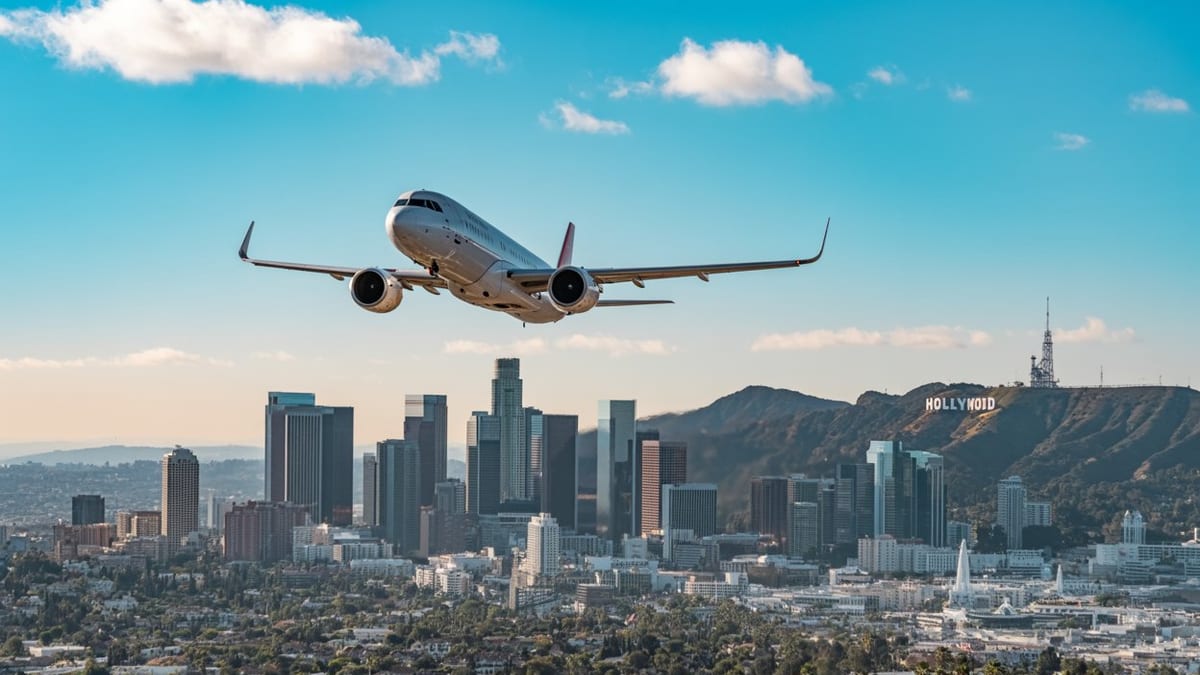
Image by Travel And Tour World
New Nonstop Routes Centered on LAX Growth
Publicly available schedule data and industry timetable filings for the summer 2026 season indicate that United is preparing to add new nonstop options from Los Angeles, with a particular focus on linking LAX more tightly to key domestic and international markets. While the airline has steadily rebuilt its long haul presence from Los Angeles over the past several years, the latest schedules suggest a pivot toward broader connectivity that aligns with record demand projections for the 2026 peak season.
These new flights are expected to complement United’s existing transpacific and transoceanic routes from LAX, including restored services to major Asian hubs, by offering additional nonstop links that reduce the need for connections through San Francisco, Chicago or Newark. For many Southern California travelers, that means shorter total journey times and more flexibility when planning summer trips.
The new services arrive at a time when Los Angeles is consolidating its role as a global gateway, with multiple international airlines expanding operations at LAX and rival U.S. carriers also adding capacity. United’s move to introduce additional nonstops for summer 2026 positions the airline to compete more aggressively for both origin and connecting traffic on the West Coast.
Network planners appear to be focusing on markets that can feed United’s broader global network, either by channeling premium demand into long haul flights or by capturing leisure traffic that peaks during the Northern Hemisphere summer. This approach is consistent with the carrier’s strategy in other hubs, where seasonal additions are used to test new markets and build brand loyalty.
Part of a Broader United Fleet and Product Expansion
The additional LAX nonstops are emerging alongside a larger fleet and product expansion that United has outlined for the 2026 to 2028 period. Recent corporate statements describe plans to add more than 250 aircraft within the next two years, a move that will significantly increase available seat capacity and give the airline greater flexibility in assigning aircraft to West Coast routes.
As part of that plan, United is introducing a new Airbus A321neo subfleet, branded around high demand transcontinental services linking Los Angeles and San Francisco with Newark. These aircraft are being configured with lie flat premium seating and upgraded cabin amenities typically associated with long haul international flights, signaling a push to attract higher yielding travelers on key domestic routes that also connect into the airline’s global network.
Industry observers note that this fleet growth allows United to reallocate widebody and larger narrowbody aircraft to markets where demand is stronger or where competitive pressure is rising. For LAX, that could translate into more capacity on select routes, as well as the ability to fine tune schedules around peak departure banks aimed at transpacific and transcontinental connections.
United has also been experimenting with new seating concepts and cabin layouts designed to appeal to families and leisure travelers, including products that allow multiple adjacent seats to be converted into a shared space. These innovations, while not LAX specific, are likely to appear on some of the aircraft deployed to West Coast markets over the next several seasons, potentially enhancing the experience on newly launched nonstop routes.
Competitive Pressures at a Crowded LAX Hub
The decision to expand nonstop service from LAX in summer 2026 comes as competition at the airport remains intense. Delta Air Lines and American Airlines have both invested heavily in their Los Angeles operations in recent years, opening new routes, renovating terminals and refining their schedules to capture lucrative premium and entertainment industry traffic.
Recent schedule filings and industry analyses portray Delta, in particular, as aggressively building its presence at LAX with new long haul flights and additional domestic connections timed for mid decade. Other international carriers, from Asia and Europe, are also boosting capacity into Los Angeles, adding pressure on U.S. airlines to differentiate both their onboard product and their network coverage.
In that environment, United’s summer 2026 expansion is best viewed as part of a broader battle for share at one of the United States’ most strategically important airports. By offering more nonstop choices from LAX, United can appeal to travelers who might otherwise connect through a rival hub or choose a competing carrier that already offers point to point service.
The airline’s move also underscores how West Coast connectivity is increasingly central to airline strategies. LAX is not only a huge local market but also a critical gateway for traffic flows between North America and Asia Pacific, Latin America and the South Pacific. Securing a strong schedule from Los Angeles is therefore a key element in any long term global network plan.
Implications for West Coast Travelers
For travelers across the West Coast, the latest changes promise more options and, in some cases, more competitive fares. Additional LAX nonstops from United may reduce travel times for passengers in Southern California who previously connected through other hubs, while also giving loyalty program members more opportunities to earn and redeem miles on direct services during the busy summer period.
The new flights are expected to be particularly attractive to travelers looking for seamless connections onto United’s long haul network. Schedules for summer 2026 show strong demand to destinations in Europe and Asia, and additional nonstop feed from LAX can help United fill those flights with higher yielding passengers originating in the Los Angeles basin.
Travel agencies and booking platforms are likely to highlight the expanded options as they promote summer 2026 packages, especially as global tourism demand continues to recover and major events draw visitors to the United States and abroad. For leisure travelers, more nonstop choices often translate into more convenient departure times and reduced risk of missed connections.
Business travelers, meanwhile, may benefit from improved schedule flexibility that allows same day trips or more efficient itineraries. With corporate travel slowly rebuilding, airlines are positioning their networks to capture travelers who are increasingly selective about both timing and onboard comfort when choosing carriers and routes.
What to Watch as Schedules Finalize
As with any forward looking schedule, the details of United’s LAX expansion for summer 2026 may continue to evolve in the coming months. Airlines regularly adjust capacity, frequency and aircraft types in response to booking trends, fuel prices and competitive moves, and the final pattern of nonstop service may shift as the season approaches.
Travelers planning mid 2026 trips through Los Angeles are likely to see additional clarity as major global distribution systems and online booking engines update their displays in line with finalized schedules. Fare sales tied to the new nonstop routes could appear closer to departure dates, especially if carriers are competing to stimulate demand during shoulder weeks on either side of peak holidays.
Industry analysts will be watching closely to see how United’s added LAX nonstops perform, and whether the airline chooses to make some of the summer 2026 routes permanent or expand them into year round service. Strong load factors and revenue performance could encourage the carrier to deepen its investment in Los Angeles in subsequent seasons.
For now, the planned expansion signals that United views LAX as a cornerstone of its West Coast strategy, using new nonstop flights in summer 2026 to reinforce its position in one of the world’s most competitive aviation markets.