

More news on this day
Major United States airlines are moving ahead with some of the most ambitious fleet renewal plans in the world, with publicly available information indicating that more than 250 new jets are due to enter service with U.S. carriers by 2028, positioning the country at the forefront of global airline expansion.
Get the latest news straight to your inbox!
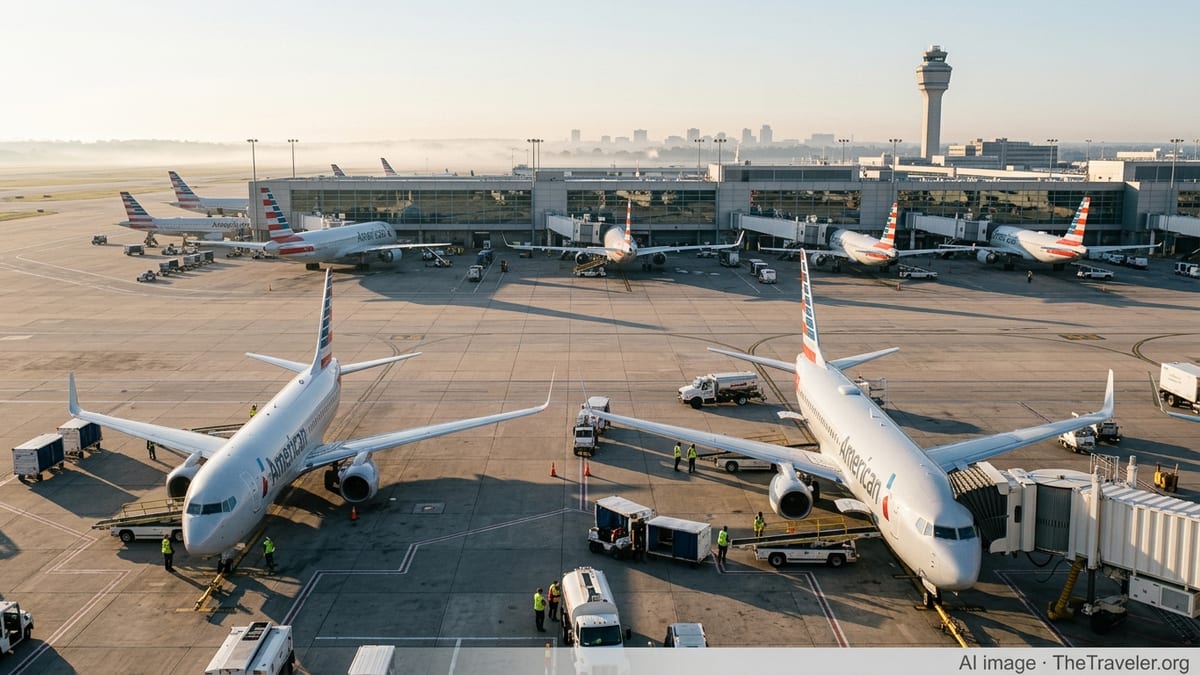
United States Airlines Outpace Global Peers in Order Momentum
Recent fleet disclosures and orderbook updates show U.S. airlines collectively on track to receive well over 250 aircraft between now and 2028, covering both narrowbody and widebody types. Industry analyses describe this as one of the most concentrated delivery waves for any single aviation market, reflecting both post-pandemic recovery and long-delayed replacement needs.
Among the largest drivers is United Airlines, which has outlined plans to take delivery of more than 250 new aircraft by April 2028, a volume that reports describe as the most by any carrier globally within a comparable two-year window. This expansion centers on Boeing 737 MAX and Airbus A321neo narrowbodies, alongside additional Boeing 787 Dreamliners for long-haul growth, giving United a prominent role in pushing U.S. fleet numbers higher.
American Airlines and Delta Air Lines add significant weight to the U.S. totals with multi-year agreements for Airbus, Boeing and Embraer aircraft. American has indicated a pipeline of roughly 440 aircraft on order stretching into the next decade, while Delta’s latest announcements add dozens of Airbus A330neo and A350 widebodies on top of a substantial narrowbody orderbook. When combined with deliveries to low-cost and ultra-low-cost carriers, U.S. airline commitments move the country ahead of most regions in near-term fleet expansion.
Market forecasts from major manufacturers suggest that North America, led by the United States, will remain one of the largest destinations for new aircraft over the next decade, with much of that volume arriving before 2028. While emerging markets in Asia and the Middle East are also expanding, the current clustering of confirmed U.S. deliveries within a short time frame sets the United States apart.
Fleet Renewal, Not Just Growth, Shapes the 2028 Horizon
The drive toward more than 250 new jets by 2028 is not only about adding capacity. Published manufacturer outlooks indicate that roughly two-thirds of new deliveries to North American carriers are expected to replace older aircraft rather than purely expand fleets. This replacement wave is particularly visible in the United States, where many mainline fleets still include aircraft that entered service in the late 1990s and early 2000s.
Delta Air Lines illustrates this trend with recent orders for Boeing 787-10 Dreamliners alongside added Airbus A330neo and A350 aircraft. Company fleet data show that Delta’s current mainline fleet averages well over a decade in age, so each new delivery supports a shift toward more fuel-efficient, lower-emission models. Similar dynamics are playing out at United and American, which are phasing out older narrowbodies and regional jets as new 737 MAX and A321neo aircraft arrive.
For travelers, these replacement-focused deliveries are expected to translate into quieter cabins, upgraded inflight entertainment systems and more consistent onboard products across networks. For airlines, the new jets are central to meeting internal carbon reduction targets and addressing regulatory and investor pressure around sustainability.
Analysts note that while the headline number of more than 250 U.S. deliveries by 2028 signals strong growth, the underlying story is one of modernization and efficiency gains. By 2028, the typical U.S. mainline narrowbody is projected to be markedly more fuel efficient than the aircraft it replaces, lowering operating costs on high-frequency domestic and transcontinental routes.
Manufacturing Constraints and Delivery Risks Remain in Focus
The aggressive U.S. delivery timeline is unfolding against a backdrop of ongoing challenges at the big manufacturers. Airbus has outlined plans to reach record annual deliveries by 2026 and continue ramping up single-aisle output toward the end of the decade. Boeing, meanwhile, has been working through quality and certification issues on key programs such as the 737 MAX family, even as it remains a central supplier to U.S. airlines.
Industry coverage notes that both Airbus and Boeing are managing large backlogs, with global order books stretching close to or beyond ten years at current production rates. Supply chain bottlenecks, including engine availability and component shortages, have already led to missed yearly delivery targets in some cases. These constraints create uncertainty around the exact pace at which U.S. airlines will receive aircraft before 2028.
Publicly available regulatory and financial filings underscore that carriers are factoring these risks into capacity plans. U.S. airlines have adjusted some schedules, deferred or advanced certain deliveries and diversified across manufacturers and engine suppliers in an effort to manage exposure. In several cases, airlines have also retained older aircraft longer than initially planned to cover for delayed new jets.
Even with these headwinds, production ramp-up plans from the manufacturers and the scale of existing orders suggest that the United States is likely to remain at the top of the global delivery table through 2028. Any slippage is more likely to alter the exact year-by-year profile of new arrivals rather than overturn the overall trend toward more than 250 additional jets in U.S. fleets.
Competitive Strategies: Premium Cabins and Network Reach
The wave of new aircraft is also reshaping competitive strategies among U.S. airlines. United’s pending deliveries are closely tied to a push toward more premium seating, including lie-flat transcontinental products and upgraded business-class suites on long-haul routes. American’s large narrowbody orders are similarly linked to domestic and short-haul international upgauging, allowing more high-yield seats on core routes without significantly increasing frequencies.
Delta, which has long emphasized onboard experience as a differentiator, is using its new widebodies to deepen long-haul connectivity from hubs such as Atlanta and New York while rolling out refreshed interiors across its narrowbody fleet. Reports indicate that low-cost and ultra-low-cost carriers are also taking new jets, with a focus on higher-density cabins and extended-range variants that open new point-to-point leisure routes.
For airports across the United States, the influx of new aircraft is expected to influence everything from gate utilization to maintenance hangar capacity. Larger narrowbodies and widebody growth at key hubs could also drive infrastructure investments, especially where airlines are planning to base significant numbers of new jets.
Observers point out that by 2028, many marquee U.S. domestic routes will routinely be flown by next-generation aircraft, raising the bar for passenger expectations worldwide. As these jets fan out across transatlantic, transpacific and regional networks, the U.S. approach to mixing fleet renewal with targeted growth is likely to serve as a reference point for carriers in other regions.
Setting a New Benchmark for Global Airline Expansion
Viewed collectively, the commitments by United, American, Delta and other U.S. carriers mark a new benchmark for fleet expansion concentrated within a relatively short period. While individual airlines in the Middle East and Asia have announced large headline orders, the combination of numerous U.S. carriers taking deliveries simultaneously, backed by robust domestic demand, distinguishes the United States in the current cycle.
Market outlooks from both major manufacturers and independent consultancies place North America among the top regions for near-term deliveries, but it is the scale and timing of U.S. arrivals before 2028 that draw particular attention. With more than 250 jets slated to enter service and many more on option or scheduled beyond that date, the United States is reinforcing its status as the world’s most mature and still rapidly modernizing aviation market.
How smoothly this expansion unfolds will depend on a mix of supply chain resilience, economic conditions and regulatory developments. Yet the level of committed investment already visible in public orderbooks suggests that, barring a major downturn, U.S. airlines will continue to accept new aircraft at a pace that few counterparts elsewhere can match.
As travelers board brand-new aircraft on domestic shuttles, long-haul business routes and leisure services by 2028, the scale of this transformation is expected to be increasingly visible. The United States is not only growing its fleets but also redefining the global standard for airline renewal and expansion in the second half of the decade.