

More news on this day
United Airlines is overhauling its MileagePlus loyalty program in a move that sharply divides winners and losers, handing richer rewards and deeper discounts to its credit and debit cardholders while cutting mileage earnings, and in some cases eliminating them entirely, for travelers who do not carry a United-branded card.
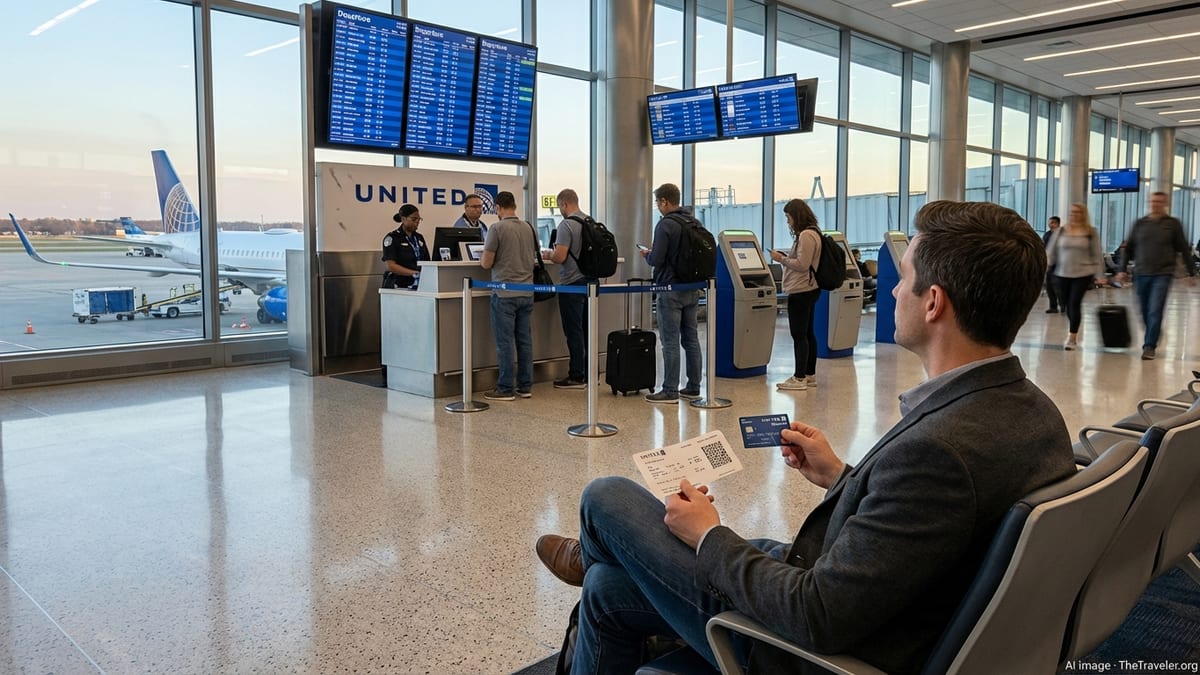
New Rules Take Effect in April, Redrawing MileagePlus
The changes, announced this week and set to take effect on April 2, 2026, represent one of the most consequential rewrites of MileagePlus in years. United is rebalancing how customers earn and redeem miles on its flights, explicitly tying the richest benefits to ownership of a co-branded United card issued by Chase.
At the heart of the shift is a new earning structure that boosts mileage accrual for cardholders while cutting back rewards for everyone else. General MileagePlus members without a United card, who today typically earn five miles per dollar spent on United tickets, will see that figure fall to three miles per dollar. By contrast, general members who do hold a United card will earn six miles per dollar, double the non-card rate.
The overhaul also introduces permanent mileage discounts on award tickets for cardholders and widens access to United’s lowest-priced awards, including some premium-cabin seats, while non-cardholders see no such relief. The result is a bifurcated loyalty program that is increasingly centered on credit-card relationships rather than simple flying activity.
United executives describe the move as a way to “reward our most engaged customers,” a phrase that in practice is coming to mean frequent travelers who not only choose United for their flights but also keep a United card at the top of their wallets.
How Mileage Earning Is Changing for Cardholders
For United cardholders, the new rules bring significantly higher mileage earnings on most paid tickets. A general MileagePlus member who is the primary holder of an eligible United credit card will earn six miles per dollar spent on United flights, compared with three miles for a non-cardholder at the same status level.
The gap widens as status climbs. Premier Silver cardholders will earn eight miles per dollar, Premier Gold nine, Premier Platinum 10 and Premier 1K 12 miles per dollar on eligible fares. Those higher “cardmember rates” apply regardless of how the customer pays for the ticket, as long as their MileagePlus number and cardholder status are attached to the reservation.
On top of those boosted base earnings, cardholders can still stack the usual bonus miles for paying for the ticket with a United card. Depending on the specific product, that payment bonus can add several miles per dollar. For example, mid-tier cards such as the United Explorer or United Quest typically award extra miles on United purchases, while premium products like the United Club card layer on even more.
Business travelers also stand to benefit when their corporate trips are booked on a company payment card rather than their own. United has told corporate clients that primary MileagePlus cardholders will continue to earn the higher cardmember accrual rate on tickets booked with a corporate card, as long as their personal MileagePlus number is attached to the booking. That means employees can take the richer mileage rates into account even when they are not personally paying for the flight.
Non-Cardholders Face Deep Cuts, Especially on Basic Economy
While the news is broadly positive for United cardholders, the picture looks starkly different for travelers who have chosen not to carry a co-branded card. For them, the airline is dialing back mileage earning across most fare types and, in some cases, eliminating it altogether.
Under the new structure, a general MileagePlus member without a United card will earn three miles per dollar spent on eligible tickets, down from the current five. Premier elites without a card face similar reductions: Premier Silver members will drop from seven to five miles per dollar, Premier Gold from eight to six, Premier Platinum from nine to seven and Premier 1K from 11 to nine.
The harshest blow lands on those who buy United’s cheapest basic economy fares without holding a card. Beginning April 2, these passengers will no longer earn any miles on those tickets. Today, they still earn at the standard rate. Under the updated rules, basic economy earns zero miles for general members unless they either have United elite status or hold a United credit card.
Even for elites, basic economy becomes less rewarding without a card. Premier members will earn only modest mileage on those cut-rate tickets unless they also carry an eligible United card, in which case their earn rates are bumped back up. The message is clear: basic economy will primarily be a mileage-earning product only for the airline’s most loyal, card-carrying customers.
Award Discounts and Access: Cardholders Gain New Privileges
Beyond earning miles, United is also redesigning how MileagePlus members spend them, again with a strong tilt toward cardholders. Beginning in April, United says that all MileagePlus members who hold a qualifying United credit or debit card will receive at least a 10 percent discount on award tickets across its network. For Premier elites with a United card, that floor rises to at least 15 percent off.
The discount functions as an “always-on” reduction in the miles required for an award flight when booked by an eligible cardholder. On some itineraries, analysts expect the mileage savings to be substantially higher than 10 or 15 percent, especially during off-peak periods when United is willing to open more discounted award space to cardholders.
Equally significant is expanded access to the airline’s lowest-priced Saver awards and some premium-cabin redemptions. Routes and seats that were previously reserved for top-tier Premier Platinum and Premier 1K members are, in certain cases, being opened up to cardholders at lower status levels. That includes limited Saver inventory in United Polaris business class, one of the most coveted ways to redeem MileagePlus miles on long-haul flights.
United is also introducing or enhancing the ability for parents to link their MileagePlus accounts with those of their children under 18, allowing cardholding parents to share their cardmember award discounts and earning rates with younger family members. The policy is aimed at families who want to pool the benefits of a United card across household travel.
Credit Card Economics Drive the Loyalty Strategy
The MileagePlus changes highlight the growing importance of co-branded credit card partnerships for United and the wider airline industry. In recent years, revenue from credit card deals and other non-ticket sources has become a crucial profit engine, often cushioning airlines when demand for flights softens.
United’s long-standing partnership with Chase generates billions of dollars annually as the bank purchases large quantities of MileagePlus miles to distribute to cardholders. Analysts say that designing the loyalty program to strongly favor cardmembers both protects that revenue and encourages more customers to sign up for the cards, which typically charge annual fees ranging from around the mid-hundreds of dollars to nearly seven hundred dollars at the top tier.
By cutting mileage accrual for non-cardholders and amplifying rewards for those who do sign up, United is effectively using its loyalty program as a marketing and retention tool for its financial products. The strategy mirrors moves by rivals such as American Airlines and Delta Air Lines, which have also tethered their most attractive loyalty perks and even elite status qualification more tightly to card spending.
For United, the gamble is that the incremental revenue and engagement from a larger, more active base of cardholders will outweigh any frustration from occasional travelers who may feel left behind by the new rules.
Impact on Different Types of Travelers
The winners from United’s MileagePlus shake-up are clear: frequent United flyers who either already have a co-branded card or are willing to sign up for one. For those travelers, the math quickly tilts in their favor. A general member with a card who buys a series of domestic trips each year will earn miles at twice the rate of a non-cardholder, and may see sizable savings in miles when redeeming for awards.
Mid- to high-tier elites who concentrate their flying with United and can commit to one of the more expensive cards will see the biggest boost. Higher earn rates, award discounts and, in some cases, expanded upgrade tools and status-earning opportunities tied to card spending can all combine to make MileagePlus more rewarding than before.
On the other side of the ledger sit occasional travelers and price-sensitive flyers who lean heavily on basic economy. Those customers now face a stark choice: accept significantly weaker mileage earning, including zero miles on many of the cheapest fares, or change their behavior by upgrading fares, flying less often with United, or signing up for a co-branded card.
Travelers who prefer general-purpose travel cards that can be used across multiple airlines may also feel squeezed. Without a United-branded card, they will not see the enhanced earn rates or the award discounts that are becoming central to MileagePlus value. That shift could push some to consolidate more of their travel and spending with United, while others may look to competitors that still offer relatively richer rewards to non-cardholders.
Consumer Reaction and What Flyers Should Consider Now
The reaction among frequent flyers has been mixed. Some United loyalists who already carry a card see the changes as a net win that finally aligns the program’s richest payouts with customers who have gone deeper into the ecosystem. Others, particularly those who earned their miles primarily through flying rather than card spend, view the move as another step away from rewarding actual travel.
Travel advisors and credit card experts say consumers should start by taking a hard look at their own travel patterns. Flyers who take several United trips a year and tend to book at least standard economy or higher may find that a co-branded card now makes financial sense, particularly with the combination of higher earn rates, award discounts and various travel credits and perks that many of the cards carry.
Those who fly United only occasionally, or who rarely redeem miles for long-haul or premium-cabin trips, may conclude that the new structure does not justify an annual-fee card. For that group, it could be more advantageous to focus on flexible bank reward currencies or cash-back products, even if that means settling for weaker returns on United flights themselves.
Either way, the looming April deadline is a clear signal that under the new MileagePlus regime, simply entering a frequent flyer number when booking a ticket will not be enough to unlock the best value. For many United customers, the key to maximizing rewards is increasingly found not just in the seat they buy, but in the card they choose to carry.