

More news on this day
Hours-long security lines, missed flights and anxious crowds are emerging as defining features of the 2026 spring break travel season in the United States, as airports contend with record passenger volumes and a destabilized Transportation Security Administration workforce.
Get the latest news straight to your inbox!
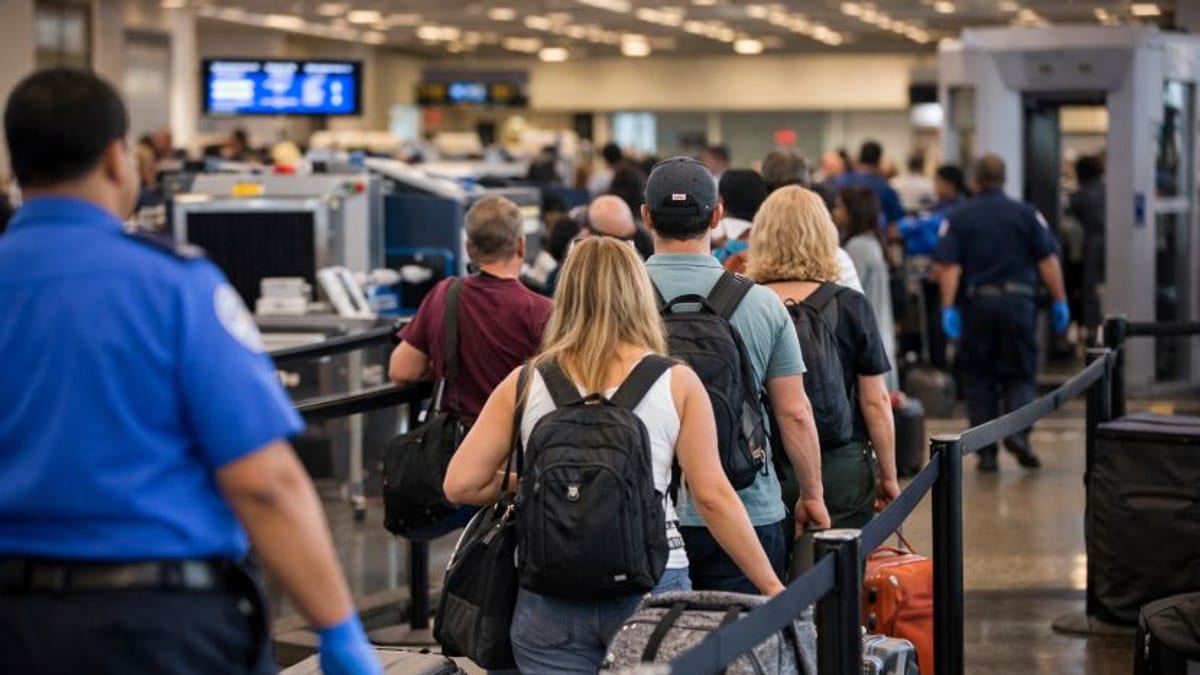
Record Spring Break Demand Meets a Strained Security System
The spring break period in March and early April 2026 is shaping up as one of the busiest on record for US air travel, with industry groups projecting around 171 million passengers over the two-month window. Travel data and aviation analyses indicate that daily TSA screening volumes have regularly surpassed 2 million travelers, reflecting both strong leisure demand and a rebound in international flying.
At major hubs such as Atlanta, Denver, Orlando and New York area airports, that surge has collided with reduced staffing and operational uncertainty at TSA checkpoints. Published coverage describes lines stretching for one to three hours at peak times, particularly during early morning and late afternoon departure banks. In some cases, bottlenecks at security have cascaded into delays at gates as airlines hold flights for passengers stuck in queues.
Orlando International Airport, a major gateway for theme park visitors, expects more than 7.4 million passengers during a roughly six-week spring break period running through early April. Local projections point to nearly 53,000 flights in that window, amplifying pressure on TSA screening lanes even as the airport adjusts staffing and layout to handle the influx.
While many airports experience seasonal crowds each year, the combination of record traffic and federal funding uncertainty has made the 2026 spring break particularly volatile. Observers note that what might once have been a routine busy season is now exposing deeper vulnerabilities in the nation’s aviation security infrastructure.
Partial DHS Shutdown Fuels Staffing Shortages and Callouts
The current wave of TSA delays is unfolding against the backdrop of a weeks-long partial shutdown affecting the Department of Homeland Security, which oversees the agency. Publicly available information shows that tens of thousands of TSA officers have been required to work without pay since mid-February, contributing to a rise in unscheduled absences and resignations at airport checkpoints nationwide.
Reports indicate that more than 450 officers have left their jobs since the shutdown began, while some airports have seen spikes in callouts on single days as high as mid-double-digit percentages. In Houston, for example, coverage has highlighted callout rates that sharply exceeded typical levels, leaving fewer active screeners to handle growing passenger lines. Aviation analysts say that even relatively small percentage declines in available staff can rapidly translate into visible queues when traffic is near capacity.
The staffing crunch became severe enough that, in late March, the federal government directed Immigration and Customs Enforcement personnel to augment security checkpoint staffing at some of the country’s busiest airports. Travelers at Chicago O’Hare and New York area airports have reported the presence of uniformed immigration officers near screening lanes, a development that has drawn scrutiny from civil liberties advocates and some lawmakers.
Although a recent executive action was signed to restore pay for TSA workers even as broader funding negotiations continue, labor groups and travel experts caution that the disruption will not resolve immediately. Many officers are still waiting on back pay, and airports need time to rebuild schedules and staffing levels, suggesting that line conditions may remain unpredictable into early April.
Hot Spots and Bright Spots Across the Airport Network
The impact of TSA staffing issues and spring break demand has not been uniform. Large coastal and sunbelt hubs, including airports in Florida, Texas, the Midwest and the Northeast, have seen some of the most acute delays, especially when compounded by severe weather. A powerful mid-March storm system, which brought blizzard conditions to parts of the Midwest and tornado outbreaks in the South, contributed to more than 6,000 flight disruptions on one early spring break day, amplifying congestion inside terminals already crowded with waiting passengers.
South Florida airports, including Miami and Fort Lauderdale, have experienced recurring reports of lengthy security lines alongside weather-related disruptions since February. Social media posts and local coverage describe passengers waiting from checkpoint to checkpoint, with some missing flights despite arriving well in advance. Similar accounts have surfaced at hubs such as Houston, Dallas, Boston and Minneapolis during the busiest weekends.
In contrast, some smaller and mid-sized airports report relatively stable operations despite the national strain. Airport leaders in parts of the South and Midwest have stated in public updates that security lines remain manageable, with few serious delays even as the shutdown continues. Travelers at certain West Coast airports with private security contractors operating under TSA oversight have also reported smoother screening experiences, highlighting how local staffing models and passenger volumes can make a significant difference.
This patchwork reality means that national headlines about “chaos” can obscure wide variation on the ground. For travelers, the experience may range from breezing through security in minutes at one airport to standing in lines that span entire concourses at another, sometimes within the same week.
Airlines, Airports and Travelers Adjust in Real Time
Faced with unpredictable checkpoint performance, airlines and airports are improvising to keep flights and passengers moving. Some carriers have adjusted check-in cutoffs, encouraged earlier airport arrivals and warned customers through apps and email about unusually long lines at specific hubs. Airport operators, meanwhile, have reconfigured queuing areas, opened overflow lane space and shifted nonessential staff to help manage crowds at peak times.
Airports serving major leisure destinations have published guidance urging travelers to arrive substantially earlier than they might during a typical spring period. At Orlando and other busy tourist gateways, local travel advisories suggest arriving at the terminal at least three hours before departure for domestic flights and potentially longer for international routes, particularly during weekend mornings.
Industry analysts emphasize that the ripple effects of checkpoint delays extend beyond security lanes. Prolonged waits can slow boarding, increase the likelihood of missed connections and strain already tight aircraft turnaround times. Data from mid-March shows thousands of delays and several hundred cancellations on some days, reflecting both weather disruptions and the difficulty of maintaining schedules when large numbers of passengers reach gates at the last minute.
Despite the challenges, there are indications that some airports are gradually adapting as they refine staffing plans and line management for the current environment. Reports from a few major hubs in the Northeast and West Coast note that, while lines remain long, they are moving more steadily than earlier in the month, suggesting incremental gains in efficiency even without a full resolution to the underlying funding dispute.
What Spring Break Flyers Can Expect in the Coming Weeks
For travelers heading out during the remainder of the spring break window, publicly available guidance from aviation and security experts converges on a few themes. Most recommend arriving earlier than usual, monitoring TSA wait-time tools provided by airports and preparing for conditions that may change from one day to the next. Even airports that reported severe backups one weekend have occasionally seen comparatively light lines just a few days later, underscoring the volatility of the situation.
Analysts also point out that the recent executive step to resume pay for TSA workers could gradually improve staffing levels if it reduces financial stress and callouts among officers. However, they caution that the effects may lag actual policy moves, because screeners who have resigned or taken other jobs are not easily replaced in the short term and training new staff takes time.
Looking toward April, the pace of travel is expected to remain elevated through Easter and other school holiday periods before easing into late spring. If congressional negotiations over DHS funding solidify, observers anticipate a gradual normalization of security operations at many airports. Until then, the combination of heavy demand, lingering staffing gaps and the possibility of additional disruptive weather systems is likely to keep pressure on security checkpoints in key markets.
For now, the 2026 spring break season illustrates how quickly stresses in the federal workforce can translate into front-line disruptions for travelers, turning what should be routine holiday journeys into exercises in uncertainty from the curb to the gate.