

More news on this day
Airports across the United States are reporting unusually long security lines and sporadic delays as the busy spring break travel season collides with a partial Department of Homeland Security shutdown that has left Transportation Security Administration officers working without pay.
Get the latest news straight to your inbox!
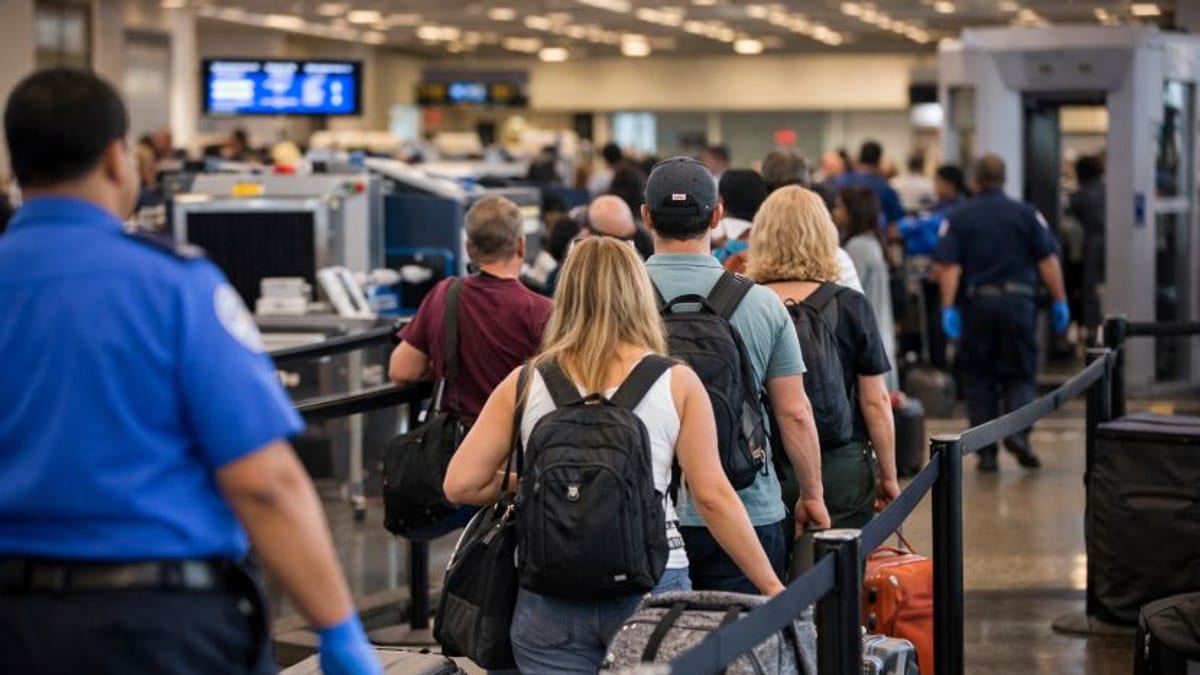
Image by Latest International / Global Travel News, Breaking World Travel News
Shutdown Fallout Meets Record Spring Travel Demand
The spring break rush in March and early April 2026 is unfolding against the backdrop of a funding impasse in Washington that has disrupted normal operations at the Department of Homeland Security. Publicly available information indicates that TSA officers have worked weeks without full pay, prompting higher levels of callouts and resignations at some checkpoints.
Industry forecasts cited by airlines groups anticipate a record-breaking spring travel period, with projections of roughly 2.8 million passengers per day and more than 170 million travelers flying between March 1 and April 30. That surge is pushing airport security systems that were already under strain into a more fragile state during peak morning and evening periods.
Reports from travel outlets and local media describe a patchwork of conditions. Some airports are processing passengers close to normal, while others are wrestling with extended waits and intermittent lane closures as they juggle staffing gaps and heavy demand. The result for travelers is growing uncertainty over how early to arrive and how long it will take to reach the gate.
The combination of historic passenger volumes and reduced staffing has proved especially challenging at major hubs that feed domestic connections and popular leisure routes. Families heading to beach destinations for spring break, along with college students and festival-goers, are encountering choke points at security just as airlines try to operate near-capacity schedules.
Major Hubs See Hours-Long Queues
Large connecting hubs have been among the most visible flashpoints. Reports from Houston, Atlanta and Chicago point to multi-hour waits at peak times, with some checkpoints partially closed as supervisors consolidate lanes to match available staff. At George Bush Intercontinental Airport in Houston, publicly accessible updates and eyewitness accounts describe waits approaching four hours earlier in the week when only a fraction of checkpoints were open.
In Atlanta, one of the world’s busiest airports, local coverage has documented lines that at times have wrapped through the terminal as travelers attempt to navigate security during the shutdown. Passengers have reported arriving more than three hours before departure to avoid missing flights and still confronting long queues. Similar scenes have been described at Chicago O’Hare, where the start of spring break for many schools coincided with rising TSA callouts.
Some airports have responded by directing passengers to alternative checkpoints, extending hours for security screening or encouraging greater use of trusted traveler programs. However, the rapid buildup of lines during concentrated departure banks has shown how vulnerable the system can be when staffing and demand fall out of sync.
Complicating matters, weather has also disrupted operations at several hubs this month. A powerful mid-March storm system brought blizzard conditions to parts of the Upper Midwest and severe thunderstorms across the South and Mid-Atlantic, triggering waves of cancellations and rebookings. That piled additional travelers into already crowded terminals on subsequent days as they attempted to complete delayed trips.
Vacation Gateways Feel the Spring Break Crush
Airports that serve as gateways to traditional spring break destinations are experiencing their own version of the crunch. Orlando International in Florida, which is projecting an 8 percent increase in passenger volume over last year’s record spring, has warned of particularly busy days with more than 200,000 travelers moving through the airport. Local reports indicate that travelers are being advised to arrive at least three hours before departure and to expect lengthy TSA queues at certain times of day.
Other Florida airports, including Fort Lauderdale and Tampa, have faced rolling delays when heavy rain and thunderstorms coincide with the holiday surge. Regional coverage from central Florida highlights days when high cancellation rates have left passengers sleeping in terminals after long waits for both security and rebooked flights.
In Texas, spring break traffic at Dallas Fort Worth and Houston Hobby has pushed passenger counts well above typical March levels. Recent projections out of Houston pointed to more than 2 million travelers over a roughly two-week period, a threshold that puts additional stress not only on security checkpoints but also on parking, roadways and baggage systems.
Even mid-sized airports that do not normally see sustained congestion have begun issuing spring travel advisories, urging passengers to build in extra time to clear TSA screening. City-owned airports in destinations such as Austin and Denver have published guidance that reflects heightened volumes, including reminders about prohibited items and suggestions to use mobile boarding passes to reduce bottlenecks before screening.
Uneven Impact Highlights Structural Vulnerabilities
Not all airports are experiencing severe disruptions, underscoring how local staffing decisions, infrastructure investments and security contracting models can shape traveler experience. Some airports that rely on private contractors working under TSA oversight have reported more stable operations, with travelers describing security waits that are closer to pre-shutdown norms even during busy morning waves.
In the Washington region, recent local coverage has portrayed a mixed picture. While some reports mention longer lines at certain times of day, others describe fairly typical screening experiences at Reagan National and Dulles, illustrating how quickly conditions can change as shifts turnover or unexpected callouts occur.
Travel commentary and online discussion boards also reflect this uneven impact. Posts from airports such as Boston Logan and a handful of regional facilities indicate that some passengers have breezed through security in minutes, even as others elsewhere report waiting more than an hour. The contrast has fueled frustration and confusion among travelers trying to interpret headlines about national disruption through the lens of their own local airport.
Aviation analysts point to the shutdown-related staffing uncertainty as a key stress test for the system, revealing longstanding vulnerabilities. When volumes spike, airports that have limited checkpoint capacity, constrained terminal layouts or heavy reliance on overtime are more quickly pushed into visible gridlock, while those that have invested in additional lanes and technology may be better able to absorb temporary shocks.
What Travelers Can Expect Through Early April
With spring break travel expected to remain elevated into early April and federal funding negotiations still in flux as of the final weekend of March, conditions at TSA checkpoints are likely to remain unpredictable. Published forecasts from travel associations anticipate that daily passenger counts will stay near record levels as families return home from vacations and others depart for late-season getaways.
Airports and airlines have been using public statements, websites and social media channels to encourage passengers to allow additional time for check in, bag drop and security, particularly during early morning and late afternoon departure peaks. Guidance at many hubs now routinely suggests arriving at least two or even three hours before domestic flights, a marked shift from pre-pandemic norms at some airports.
Travel experts cited across consumer and industry coverage note that some of the pressure may ease if the federal government fully restores pay for TSA officers and related staff, which could stabilize callout rates and slow the pace of resignations. Recent executive action to resume pay for TSA employees is intended to relieve some of that strain, but it may take time for staffing levels and morale to recover after weeks of uncertainty.
For now, travelers heading through US airports during the spring break period face a landscape defined by variability. A security line at one terminal may snake through the concourse, while a different checkpoint across the field moves swiftly. Understanding that disparity and planning for the worst-case wait time, observers suggest, may be the most realistic strategy until the broader policy and staffing issues behind the TSA delays are resolved.