

More news on this day
Thousands of passengers across the United States are facing major travel disruption after 2,224 flights were delayed and 119 cancelled at key hubs including Chicago, Dallas, New York, San Francisco, Detroit and Fort Lauderdale, affecting operations at American Airlines, Spirit Airlines, Delta Air Lines, SkyWest and several other carriers.
Get the latest news straight to your inbox!
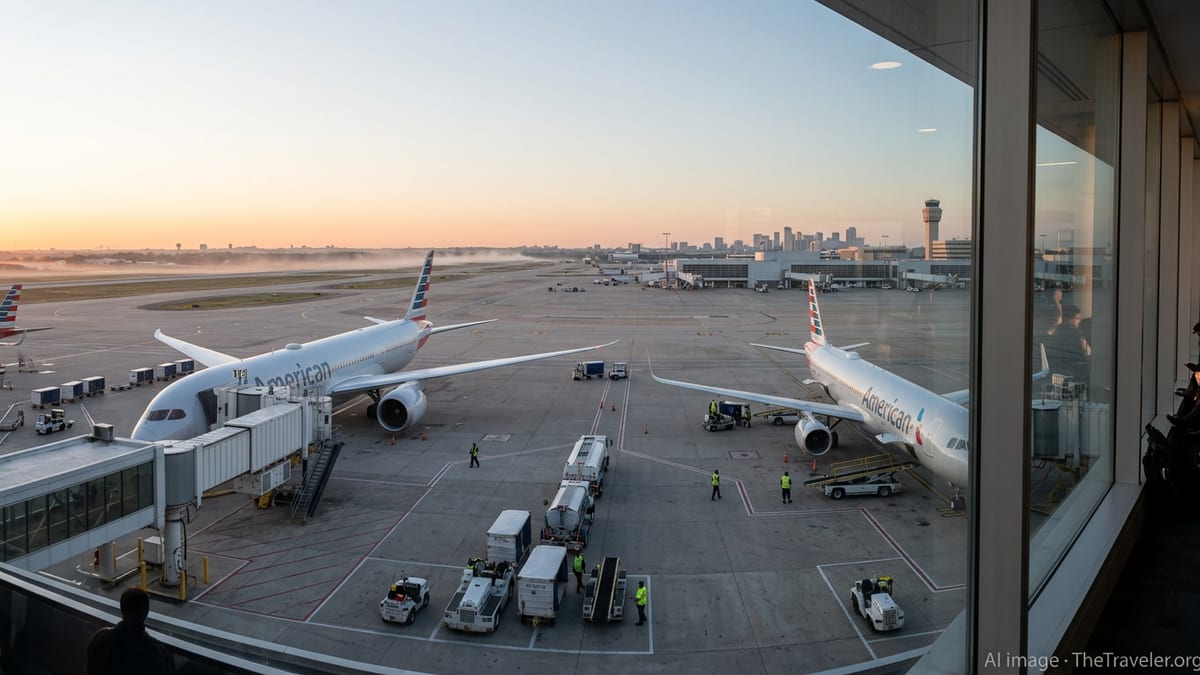
Ripple Effects Across America’s Busiest Airports
Publicly available aviation data and industry coverage indicate that the latest wave of disruptions is concentrated at some of the country’s most important connecting hubs. Chicago, Dallas, New York and San Francisco, along with Detroit and Fort Lauderdale, are reporting some of the highest numbers of delayed and cancelled departures and arrivals.
Chicago’s O’Hare and Midway airports remain among the most affected facilities, reflecting the city’s role as a central node in the national network. Delays at these airports can quickly cascade across the system, as missed connections disrupt onward services to mid-sized cities and regional destinations.
Dallas, New York area airports and San Francisco are also reporting heavy congestion on departure boards, compounding pressure on already busy schedules. With many of these hubs serving as primary transfer points for coast-to-coast and international itineraries, a relatively small percentage of cancellations can still strand or reroute large numbers of travelers.
Detroit and Fort Lauderdale, both key bases for domestic and leisure traffic, are seeing notable delay rates as well. Disruptions at these airports are particularly impactful for travelers heading to or from secondary cities that have fewer alternative flights during the day.
Major Carriers Shoulder the Brunt of Disruptions
According to current flight-tracking and aviation news summaries, the disruption is spread across both large network airlines and regional operators. American Airlines, Delta Air Lines and Spirit Airlines feature prominently in the latest delay tallies, alongside regional partner SkyWest and several smaller carriers.
American Airlines and Delta Air Lines, as two of the largest domestic operators, are experiencing substantial delay volumes simply because of their scale and the concentration of their operations at hubs like Dallas, Chicago, New York and Detroit. While many of these services are ultimately departing, the extended ground times are rippling through their schedules.
Spirit Airlines, which maintains a strong presence in Fort Lauderdale and several other sun destination markets, is also facing significant disruption. Low cost carriers often operate aircraft on tight turnarounds, meaning an early delay can echo through multiple rotations during the same day.
SkyWest, a major regional carrier operating flights on behalf of larger brands, is similarly exposed. Because regional partners connect smaller communities to the big hubs now facing congestion, delays at major airports can quickly translate into missed inbound crews and aircraft, raising the risk of further schedule adjustments.
Weather, Congestion and System Strain Combine
Reports from aviation outlets and operational updates suggest that the disruption is the result of a combination of factors rather than a single nationwide failure. Periodic storms and low-visibility conditions around Great Lakes and East Coast hubs can reduce runway capacity, forcing air traffic managers to slow the flow of arrivals and departures.
At the same time, high travel demand has kept schedules dense, leaving limited margin to absorb even modest operational issues. When aircraft and crew are already tightly scheduled, a weather hold or ground stop in one city can quickly generate knock-on delays elsewhere as planes arrive late to operate subsequent flights.
Infrastructure constraints at some older or heavily used airports also play a role. Gate availability, runway configurations and ongoing construction can limit how quickly airlines recover once operations start to fall behind. In these conditions, carriers frequently prioritize keeping as many flights operating as possible, accepting higher delay counts while attempting to minimize outright cancellations.
Technical and logistical challenges within airline networks can add further complexity, from routine maintenance issues to the need to reposition aircraft and crew to protect later peak periods. While the majority of affected flights eventually depart, the cumulative impact for travelers can be significant, especially when tight connections are missed.
Impact on Travelers and Route Networks
The immediate effect for passengers is a surge of missed connections, extended layovers and unplanned overnight stays. Travelers connecting through Chicago, Dallas, New York and San Francisco are particularly vulnerable, as delays at these hubs often disrupt intricate multi-leg itineraries that link smaller cities to major business and tourism centers.
Routes linking the affected hubs to secondary airports in the Midwest, South and West Coast are seeing heightened schedule volatility. Detroit and Fort Lauderdale disruptions are contributing to issues on popular business and leisure routes respectively, including services to smaller markets that may only have a few daily flights.
According to published coverage and historical data, periods of concentrated delays and moderate cancellation levels can continue to affect route networks for several days, even after weather and congestion pressures ease. Aircraft and crews must be repositioned, and some airlines may temporarily trim frequencies or swap aircraft types to stabilize operations.
Passengers who rely on early morning or late-night departures may face particular challenges as airlines work to reset their systems. Those flights are often more vulnerable to cancellation when carriers seek to restore their networks to normal operating patterns.
What Travelers Can Expect Next
Industry observers note that when nationwide delay counts climb into the low thousands, as they have with the current total of 2,224 delayed flights, travelers should anticipate a period of lingering disruption even if cancellation numbers remain comparatively lower. Airlines generally work through the backlog over successive waves of departures, but the process can take time.
In the short term, passengers flying with American Airlines, Delta Air Lines, Spirit Airlines, SkyWest and other affected carriers can expect busy customer service lines and tight seat availability on alternative flights. Same-day rebooking options may be limited, especially on peak routes and around major hubs already operating near capacity.
Over the coming days, publicly available performance data are likely to show fluctuating delay patterns across different airports as weather conditions, demand levels and operational decisions evolve. Travelers are being advised by consumer advocates and travel experts to monitor flight status frequently, arrive early at the airport and consider longer connection times on itineraries that route through the most impacted hubs.
While the current figures of 2,224 delays and 119 cancellations represent only a fraction of total daily movements across the United States, the concentration of problems at critical hub airports underscores how even moderate levels of disruption can significantly affect the travel experience for a large number of passengers.