


More news on this day
The United States has adjusted its internal travel rules for personnel in Israel, allowing some family members of U.S. government employees to return while public advisories for most travelers remain at a strict “Reconsider Travel” level.
Get the latest news straight to your inbox!
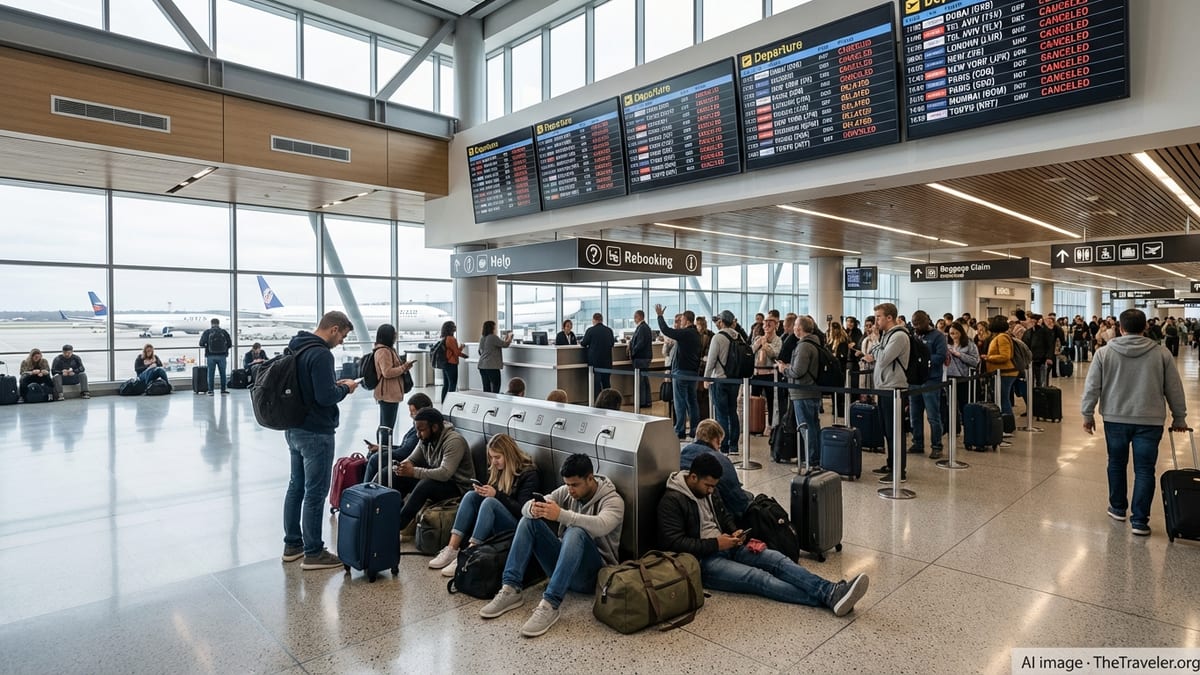
Targeted Shift in Policy for Government Families
Recent updates to advisory summaries and secondary analyses show that, as of August 26, 2026, some family members of U.S. government employees stationed in Israel may once again accompany staff at post. Travel-monitoring sites that track U.S. guidance report that this shift effectively ends months of tighter restrictions that had kept many dependents outside the country because of security concerns.
Publicly available material describing the change characterizes it as an internal, administrative adjustment rather than a broad change in risk assessment. The overall U.S. advisory for travel to Israel still urges American visitors to “reconsider travel,” reflecting continued concerns about terrorism, unrest and the potential for sudden escalations across the region.
The updated rules come after earlier decisions in early 2026 that authorized the departure of non-emergency personnel and accompanying family members from Mission Israel due to heightened security risks. According to accounts of those earlier moves, the decisions were framed as precautionary steps designed to give government staff flexibility as tensions rose.
Israel Advisory Still at Level 3 for Most Travelers
Despite the easing for some government families, the broader travel picture for U.S. citizens headed to Israel has not significantly changed. The country remains under a Level 3 advisory, which urges travelers to reconsider nonessential trips because of security-related threats. Independent explainers that collate State Department notices emphasize that the main advisory for Israel has been reissued without lowering the overall risk level.
Coverage of the latest developments notes that the advisory continues to warn about possible rocket fire, security incidents, and sudden disruptions to air links. Information compiled from official texts highlights that regional tensions can lead airlines to cancel or limit flights into and out of Israel, and that travelers may face last-minute itinerary changes as a result.
For many leisure travelers, this means that travel insurance, airline flexibility and contingency planning remain central to any itinerary. Analysts who follow government advisories caution that while the return of some official families may signal a modest improvement in daily operating conditions for diplomatic missions, it does not equate to a general green light for tourism.
Restrictions Remain Around the West Bank and High-Risk Areas
The updated internal rules also sit alongside a detailed set of limits on where U.S. government employees and their families can move inside and around Israel. The latest West Bank advisory, also dated August 26, 2026, continues to urge U.S. citizens to reconsider travel to the territory due to terrorism and unrest, while setting out strict parameters for official staff movement.
According to publicly available advisory text, U.S. government employees working in Israel must obtain special authorization for official travel into the West Bank. Personal travel is broadly restricted, with only narrow exceptions such as transit on key highways and time-limited visits to certain cities, including Jericho and Bethlehem, under specific routing and time-of-day conditions.
Separate risk summaries referenced by travel-information platforms describe additional limitations in northern border areas and other zones that have seen recurring security incidents. These restrictions underscore that, even as some families regain permission to live with staff in Israel, large portions of the surrounding region remain off-limits for non-essential movement by U.S. personnel.
What the Change Means for American Travelers
For most American travelers, the decision to ease Israel travel limits for selected government families is more symbolic than immediately practical. The principal advisory level, insurance implications and airline uncertainty remain in place, and the official text for private citizens still highlights significant safety risks for tourism and business trips.
However, the internal adjustment offers one notable signal: Washington appears to assess that conditions at core diplomatic locations such as Tel Aviv, Jerusalem and Be’er Sheva are stable enough to support the return of dependents under defined security frameworks. Travel observers suggest this may encourage some risk-tolerant visitors who already planned essential trips, even as more cautious travelers continue to delay.
Those considering a journey to Israel are still advised, in publicly accessible guidance, to monitor advisories closely and be prepared for rapid change. The experience of the past two years has shown that authorizations for departure, new restrictions on movement, or changes to permitted areas for official staff can emerge with little notice, often following shifts in the regional security climate.
Watching for Further Adjustments
Travel-industry analysts and advisory-tracking services indicate that the easing for U.S. government families could be one step in a gradual recalibration rather than a definitive turning point. Previous updates in recent months, such as the extension of restrictions on movement within parts of the West Bank and renewed cautions around border regions, demonstrate how fluid the situation remains.
Observers note that any broader relaxation for the general traveling public would likely show up first in incremental changes to advisory language, including a shift in the overall risk level or more generous descriptions of permitted movement. For now, the Israel notice remains firmly in the Level 3 category, and associated country information pages continue to stress the potential for sudden security incidents.
Until those texts are revised more substantially, the latest development mainly affects a narrow group of Americans linked to U.S. government service in Israel. For everyone else, the message from current public documentation and expert commentary remains consistent: Israel is open in many practical senses, but it is still a destination where risk assessments, routes and rules can change quickly, and cautious planning is essential.
U.S. West Bank Travel Advisory
TripSimplicity Israel Travel Warnings Overview