

More news on this day
A fresh wave of US security alerts and worldwide caution advisories is reshaping expectations for the 2026 summer travel season, prompting more Americans to weigh geopolitical risks, civil unrest and medical costs before heading overseas and driving a notable surge in demand for comprehensive travel insurance.
Get the latest news straight to your inbox!
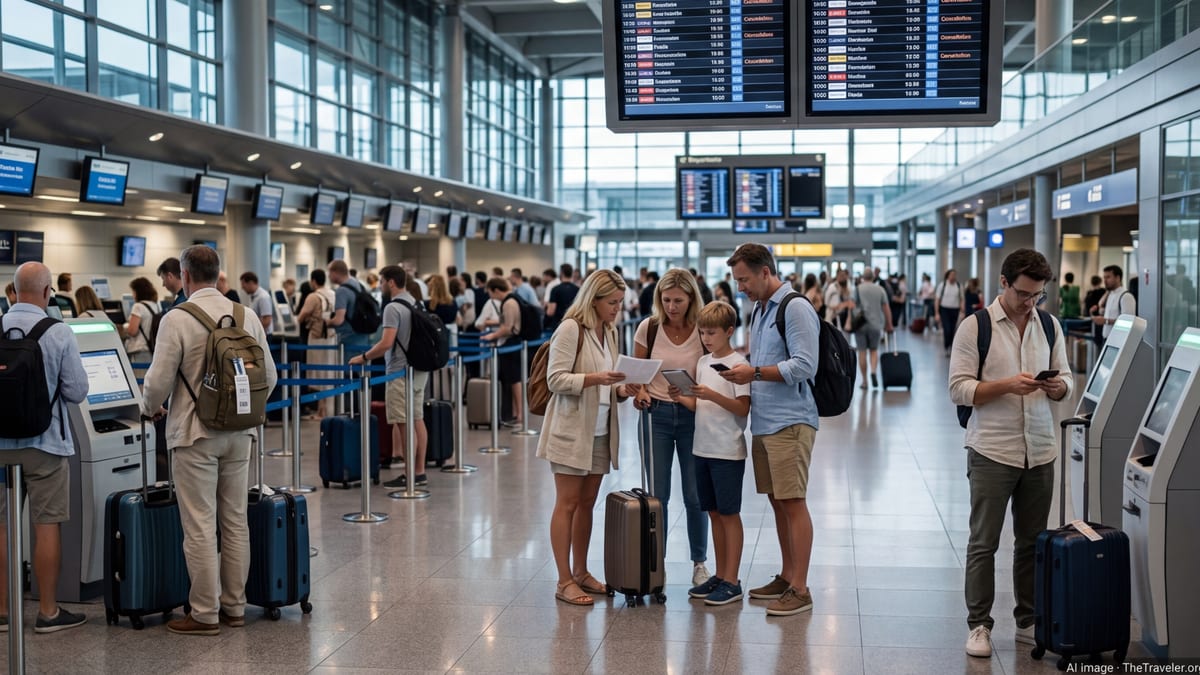
Worldwide Caution Casts a Shadow Over Peak Travel Season
As travelers look ahead to summer, the security backdrop has grown markedly more complex. A recently updated worldwide caution notice from the US government advises citizens to exercise increased vigilance overseas in light of persistent threats from terrorism, demonstrations and unrest in multiple regions. The guidance highlights that protest movements and geopolitical flashpoints can quickly spill into tourist districts, transport hubs and major events that typically draw large numbers of international visitors.
Published coverage notes that the latest advisories build on a series of country-specific updates through 2025, including higher alert levels in parts of the Middle East, South Asia and the Indian Ocean, as well as reminders that sudden airspace closures or curfews can disrupt even well-planned itineraries. Analysts observing these changes say the cumulative effect is a more cautious mood among US travelers, who increasingly factor political and security risk into destination choice and timing.
The tone of the worldwide guidance is not to halt travel entirely but to underline that global conditions remain volatile. For many Americans accustomed to relatively frictionless summer trips to Europe or long-haul beach destinations, the language about possible attacks, demonstrations and limited consular access in some locations is prompting a reassessment of how exposed they are once they leave home.
Conflicts and Protests Reshape Perceptions of Tourist Hotspots
The recalibration of risk is particularly evident in regions directly affected by armed conflicts or large-scale protests. Recent reporting on the expanding confrontation involving Iran, Israel and the United States describes elevated tensions across the Middle East, with periodic disruptions to air corridors and maritime routes that many leisure travelers rely on to reach popular hubs. Separate coverage of localized unrest in parts of Africa and the Caribbean has also drawn attention to how quickly security conditions can deteriorate around diplomatic compounds and urban centers.
In Europe, several major destinations that remain central to US summer tourism have been categorized under moderate advisory levels that reference concerns about terrorism and civil unrest rather than blanket prohibitions. Publicly available information shows that travelers are being urged to stay alert to demonstrations, transport strikes and security incidents that may unfold near government buildings, cultural institutions and busy public squares often frequented by visitors.
These dynamics have blurred the traditional line between “safe” and “high-risk” destinations. Travel risk consultants point out that while many classic vacation spots still welcome large numbers of visitors, the margin for error has narrowed. A sudden protest in a capital city or a security incident near an airport can now trigger cascading disruptions, from flight cancellations to temporary lockdowns, that directly affect holidaymakers as well as residents.
Insurance Providers Report Elevated Summer Demand
Against this backdrop, travel insurers are recording a pronounced increase in interest ahead of the summer season. Industry analyses released over the past year show double-digit growth in travel insurance quote requests in the United States compared with the previous year, with one report citing an increase of more than 30 percent in early 2025. Another major provider reported a roughly 20 percent month‑to‑month jump in sales during a period marked by political uncertainty and headline-grabbing security incidents.
Specialist publications covering the insurance sector attribute this demand to a convergence of factors: lingering memories of pandemic-era disruption, a higher incidence of climate-related travel interruptions and the more urgent tone of recent security advisories. Where travelers once focused primarily on lost luggage and trip delays, there is now greater attention on emergency medical coverage, evacuation benefits and trip cancellation clauses triggered by terrorism or civil unrest.
Industry observers say the pattern is especially visible among families and older travelers planning long‑haul summer vacations, who may be more sensitive to health system capacity and the prospect of being stranded abroad. At the same time, younger travelers are increasingly opting for flexible, app-based policies that can be adjusted as itineraries change, reflecting a desire to balance spontaneity with a safety net in volatile conditions.
Shifting Policy Features: From Medical Coverage to Security Clauses
The structure of many travel insurance products is also evolving in response to the new security landscape. Market reports note that insurers are expanding benefits related to medical treatment abroad as international healthcare costs continue to rise, with some forecasting global medical inflation above 10 percent in 2026. This trend is prompting travelers to pay closer attention to coverage limits for hospital care, outpatient treatment and medical evacuation, particularly when visiting regions where private facilities are the primary option for foreign visitors.
Security-related benefits are similarly under review. Several providers have updated or clarified language around covered reasons for trip cancellation or interruption, referencing situations such as terrorist incidents, government-imposed travel restrictions or large‑scale civil unrest at the destination. Some policies include optional “cancel for any reason” upgrades that, while more expensive, are attracting interest from travelers who want flexibility if the security picture changes sharply before departure.
Advisers who track consumer behavior in this space note that travelers are also becoming more aware of exclusions. Pre‑existing medical conditions, participation in certain high‑risk activities and travel to locations under the strictest government advisories can all limit coverage. As a result, there is growing emphasis on purchasing policies shortly after booking, disclosing health histories accurately and cross‑checking planned routes against official advisories before assuming that security‑related claims will be honored.
How Travelers Are Adjusting Summer Plans
With security alerts and insurance trends intersecting, Americans are adapting their summer travel strategies rather than abandoning trips altogether. Surveys conducted by industry groups point to continued strong demand for international vacations, but with a tilt toward destinations perceived as politically stable, robustly policed and equipped with reliable healthcare infrastructure. At the same time, there is interest in diversifying plans, with some travelers building itineraries that allow for last‑minute switches between neighboring countries or cities if conditions shift.
Travel planners report that more clients now ask detailed questions about cancellation deadlines, refundability and the interaction between airline or tour operator policies and their insurance coverage. There is also a noticeable uptick in travelers enrolling in alert systems, reviewing local emergency procedures and mapping alternative routes to and from airports and train stations in case of disruption.
For the upcoming summer season, the net effect is a more risk‑aware style of tourism. Beaches, cultural capitals and adventure destinations remain firmly on the map, but itineraries are being constructed with greater attention to contingency planning and financial protection. The latest US security alerts have not closed the door on global exploration, yet they have pushed insurance from a discretionary add‑on to a central component of how many Americans now design their holidays.