

More news on this day
A record surge of United States visitors is transforming Italy’s tourism landscape, with fresh data showing Americans pouring billions of euros into Rome, Milan and Venice while airlines, hotel groups and event organizers race to expand capacity.
Get the latest news straight to your inbox!
US Arrivals Hit New Highs Across Italy’s Major Cities
Recent figures compiled by Italy’s national tourism bodies and central bank indicate that the United States has consolidated its position as one of the country’s most valuable inbound markets. Reports on 2024 and early 2025 performance point to several million US visitors a year, with spending estimated in the multi billion euro range, and growth outpacing many other long haul source countries.
Analyses of international arrivals show that overall foreign demand for Italy in summer 2025 is running well above the previous year, with tens of millions of airport arrivals already on the books and projected turnover exceeding 10 billion euros for the June to September period. Within that broad surge, the US market is cited as one of the fastest expanding, particularly for cultural, shopping and high end tourism concentrated in major cities.
Tourism research shared by ENIT, Italy’s national tourism agency, highlights the spending power of American travelers. Publicly available summaries of 2024 data suggest that US visitors alone generated several billion euros in expenditure, with per night spending among the highest of any nationality and average stays stretching well beyond a week. Industry observers note that this combination of high volumes and premium spending is reshaping strategies in Rome, Milan and Venice.
Rome and Milan in particular are reporting a strong rebound and expansion of international city breaks, while Venice continues to attract large numbers of overseas guests despite new crowd management tools such as timed entry charges for peak days. Together, the three cities remain the core of Italy’s urban tourism economy and the primary gateway for many first time visitors from the United States.
Airlines Add New Nonstop Routes Linking US Hubs to Italy
The jump in demand has been matched by a rapid buildup of air capacity. According to published schedules and airline announcements, US and Italian carriers are rolling out their largest ever program of transatlantic flights to Italy, with Rome, Milan and Venice at the center of a dense network of seasonal and year round routes.
American Airlines has outlined what travel industry coverage describes as a record Italy schedule for summer 2025, adding new nonstop services such as Chicago to Naples and Dallas Fort Worth to Venice. The airline is also increasing frequencies to Rome and Milan from major US hubs, positioning itself as a leading carrier for Italy bound leisure and business travelers.
Delta Air Lines has expanded its own Italian footprint with new services to southern destinations while maintaining strong links to Rome and Milan from New York and other US gateways. Industry reports describe a transatlantic program of hundreds of weekly flights, many of them timed to capture peak summer demand from American vacationers.
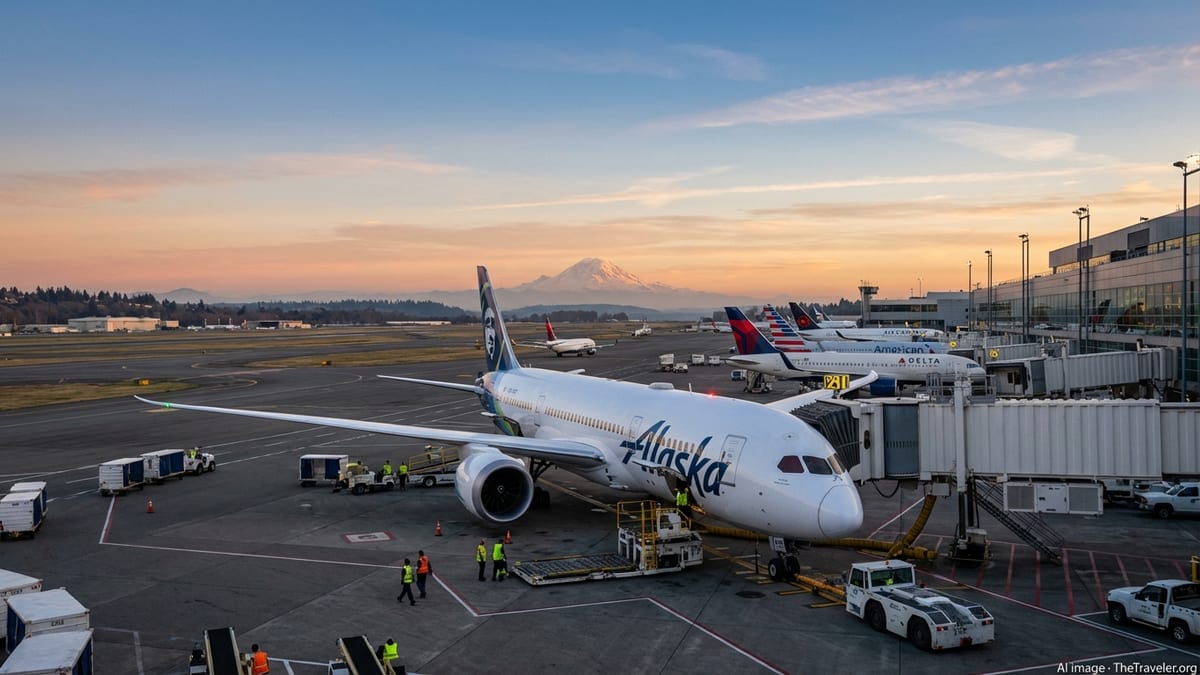
Looking slightly further ahead, announcements from Alaska Airlines point to the next phase of growth, with the carrier preparing to launch its first nonstop transatlantic route between Seattle and Rome in May 2026. Aviation analysts view this move as a signal that secondary US hubs are now viable for direct Italy services, driven in large part by the sustained popularity of Italian city breaks among American travelers.
Hotel Deals and Luxury Brands Target Rome, Milan and Venice
The upturn in high spending visitors has stimulated a parallel wave of investment in Italy’s hotel sector. An annual hotel investment report compiled by a major consulting firm found that total hotel investment in Italy reached around 2.1 billion euros in 2024, an increase of approximately 30 percent compared with the previous year and one of the highest totals on record.
Rome, Venice and Milan emerged as the main destinations for this capital. The report indicates that Rome attracted roughly 465 million euros of hotel investment in 2024, representing more than one fifth of the national total. Venice followed with about 353 million euros, while Milan drew around 173 million euros, underscoring the central role of these gateway cities in international tourism and in particular the luxury and upper upscale segments.
Global brands and specialized hospitality investors are moving to reposition historic properties and open new flagship hotels aimed explicitly at affluent overseas guests. Projects include the reimagining of landmark palazzi in central Rome and the launch of new luxury hotels in Venice that tap into the city’s appeal for honeymooners, art travelers and cruise passengers. Industry coverage frequently cites the strong presence of US clientele as a key rationale for these high profile developments.
Analysts note that the influx of American visitors is also encouraging investment beyond pure accommodation, from restaurant groups and experiential travel companies to high end retail. Shopping tourism studies that include data for Italy show significant growth in spending by international visitors, with US travelers among the leading contributors to turnover in luxury districts of Rome, Milan’s Quadrilatero della Moda and Venice’s central shopping streets.
Events, MICE and Cultural Calendars Fuel Year Round Demand
Italy is also capitalizing on the US market through an intensified program of events and meetings that fill hotel rooms outside the traditional summer peak. ENIT reporting on the meetings, incentives, conferences and exhibitions segment indicates that hundreds of thousands of foreign visitors came to Italy in 2024 for trade fairs and congresses, generating hundreds of millions of euros in tourism expenditure and several million overnight stays.
Rome and Milan rank among the leading European cities for international congress tourism, supported by large convention centers and direct air links to North America. Venice, while smaller, plays host to major cultural events such as the film festival and art biennale, which draw global media attention and attract high value visitors from the United States and other long haul markets.
Separate ENIT analyses of the 2024 summer season describe more than 4,000 events across Italy, with around 28 million participants contributing to visitor flows. The United States is identified as the single largest non European source market for airport arrivals over that period, reinforcing its role in filling seats not only on classic heritage itineraries but also on trips built around music, sport, food and wine and contemporary culture.
Tourism strategists argue that this dense calendar of events helps extend the season and spread demand more evenly across the year. For US travelers, it offers additional reasons to visit beyond iconic landmarks, encouraging repeat trips that combine urban stays in Rome, Milan and Venice with excursions to lesser known regions.
Managing Growth Pressures in Italy’s Tourist Hotspots
The rapid rise in US arrivals brings opportunities alongside familiar challenges. Rome, Milan and especially Venice continue to grapple with the effects of overtourism, from pressure on local infrastructure to concerns about quality of life for residents. In response, authorities have introduced a series of management measures that seek to balance economic gains from tourism with preservation of historic centers.
Venice has moved ahead with a pilot entry fee for day trippers on selected peak days, part of an effort to moderate extreme crowding during high season. While early assessments suggest the scheme has not yet significantly reduced visitor numbers, it has intensified debate over how best to regulate flows without discouraging longer staying, higher spending tourists such as many of those arriving from the United States.
Rome has implemented rules to protect key monuments and public spaces, including restrictions on behavior around heavily visited sites. Milan, meanwhile, is focusing on infrastructure upgrades and transport planning to support its growing role as both a business and leisure hub, particularly in the run up to major international events in the second half of the decade.
Industry observers note that the continued arrival of large numbers of American visitors, combined with fresh investment in hotels, air links and cultural programming, is likely to keep Italy at the forefront of global tourism. The challenge for Rome, Milan and Venice will be to channel this influx in ways that sustain local communities while preserving the experiences that have made Italy so compelling to generations of US travelers.