


More news on this day
American travelers heading to Portugal are being urged to steer clear of one of Lisbon’s most famous gathering places after a new security warning highlighted the risk of violent protests in the city’s historic center.
Get the latest news straight to your inbox!
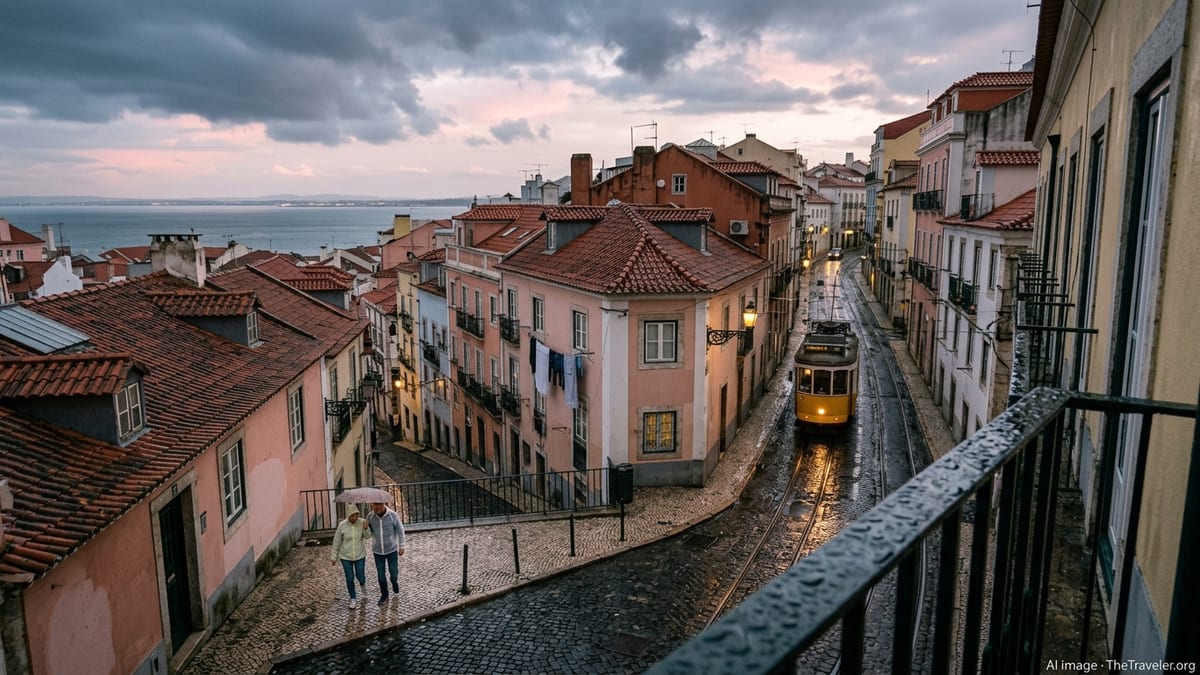
Security alert focuses on Rossio Square in central Lisbon
Publicly available security information shows that the US Embassy in Lisbon issued a security alert on November 1, 2026, advising American citizens to avoid Rossio Square in downtown Lisbon, along with Dom João I Square in Porto. The alert followed a weekend of housing and cost-of-living demonstrations that reportedly turned violent in several Portuguese cities, including areas that are usually crowded with tourists.
Rossio Square, officially known as Praça Dom Pedro IV, is one of Lisbon’s best-known public spaces. The square sits between the Baixa and Bairro Alto districts and is a major interchange for visitors walking between the riverfront, the Chiado shopping streets and the city’s hilltop viewpoints. It is also a key hub for trams, buses and taxis, making any disruption there highly visible to travelers.
Reports from travel and aviation industry outlets indicate that the embassy alert highlighted the potential for further demonstrations near Rossio Square and in other central districts, warning that such gatherings could escalate with little notice. The message urged American travelers to avoid protest areas, move away from crowds if unrest develops and monitor local media for updates on street closures and public transport changes.
As of mid November 2026, Portugal’s overall country-level travel advisory from the United States remains lower than many higher-risk destinations, but the localized warning for Rossio Square underscores how specific neighborhoods can be flagged even when nationwide guidance does not change.
Housing protests disrupt everyday life in tourist corridors
The latest alert is rooted in mounting social tensions over housing affordability and living costs in Portugal, issues that have intensified in cities popular with short term visitors. Public reporting from Portuguese and international media indicates that recent demonstrations in Lisbon drew large crowds to central squares and avenues, including areas a short walk from Rossio.
Organizers of the protests have focused on what they describe as rising rents and the impact of tourism and short term rentals on local residents’ ability to remain in city centers. While many rallies have remained peaceful, some marches near Rossio and along nearby streets reportedly led to clashes with police, scattered vandalism and temporary blockades of traffic.
For travelers, the primary concern has not been targeted violence against tourists but the spillover effects of unrest in places they are most likely to visit. Streets around Rossio Square connect to Lisbon’s main railway hub at Rossio Station, serve as routes for airport-bound taxis and rideshares, and sit close to hotels, guesthouses and cafes that cater heavily to foreign visitors.
Local coverage indicates that shop closures, rerouted buses and extended waits for taxis have occurred during the most intense protest days. Even when demonstrations are scheduled, turnout and intensity can vary, increasing uncertainty for visitors who have booked city tours or evening plans in the historic center.
What the alert means for Americans with Lisbon plans
The embassy’s warning does not prohibit US citizens from traveling to Portugal or from visiting Lisbon itself, but it does recommend that Americans avoid Rossio Square and other identified protest sites until conditions stabilize. According to publicly available guidance from the US Department of State, such localized alerts are intended to flag short term security concerns that might not yet warrant an adjustment to a country’s overall advisory level.
Travel risk specialists note that the language used in the Portugal alert aligns with broader global guidance that urges Americans abroad to stay away from large demonstrations, even when they are not directed at foreign visitors. Crowds can grow quickly, and a peaceful rally can shift into confrontations with police, projectiles or the use of crowd-control measures such as tear gas, which can affect bystanders.
For Americans already in Lisbon, the practical impact of the Rossio Square warning is most likely to involve changes to daily routines rather than cancellations of entire trips. Travelers may wish to reroute walking tours to focus on alternative squares like Praça do Comércio on the waterfront or viewpoints farther from the protest routes, and build extra time into journeys that would normally pass through Rossio.
Reports from travel industry observers suggest that airlines and hotels have not announced broad waivers related to the unrest, although some properties in the most affected streets have adjusted check in procedures or security staffing during protest days. Visitors concerned about future developments are being encouraged, in publicly available materials, to remain flexible with reservation policies and to review cancellation terms carefully.
Managing safety and logistics around a famed tourist landmark
Rossio Square’s prominence in Lisbon’s tourism map makes the travel warning especially notable. The square is a traditional meeting point for walking tours, a photo stop for its wave patterned cobblestones and a gateway to popular neighborhoods such as Alfama, Chiado and Bairro Alto. Cafes lining the square often serve as a first stop for newly arrived visitors exploring the city center on foot.
Guidance drawn from official travel safety documents emphasizes several common sense steps for Americans who may still find themselves near Rossio despite the warning. Travelers are advised to stay alert to their surroundings, avoid engaging with protests, keep a low profile in tense situations and move to side streets or indoor locations if noise, crowds or police presence begin to escalate.
Publicly available State Department materials also stress the importance of having digital and physical copies of travel documents and of ensuring that companions know how to reach each other if mobile networks are overloaded during major events. Registering trip details through the government’s voluntary traveler registration system is another option highlighted in federal guidance for those concerned about receiving timely security updates.
Local transport operators in Lisbon have continued running services, but past protest days have seen temporary diversions or delays. Visitors planning to use tram routes or buses that cross central squares are being urged, in media and agency advisories, to check for service updates through official channels at the start of each day.
Broader pattern of localized alerts in popular cities
The Rossio Square alert fits into a wider pattern of highly targeted advisories in otherwise popular destinations. Recent months have seen similar warnings linked to demonstrations, political rallies or isolated security incidents in central squares and tourist districts in several European cities, while broader countrywide assessments remained unchanged.
Travel analysts point out that such localized warnings allow governments to flag short term or neighborhood specific risks without discouraging all travel to a country that is otherwise considered comparatively safe. For Americans planning trips to Lisbon in late 2026 or early 2027, this means that itinerary adjustments around Rossio Square may be sufficient to manage risk, rather than abandoning travel plans entirely.
At the same time, publicly available State Department information underlines that conditions can change quickly. Travelers are encouraged to keep checking for updates in the days before departure, pay attention to hotel and airline notifications, and be prepared to change plans if demonstrations spread to other areas or if local authorities introduce new restrictions on public gatherings.
For now, reports from Portugal suggest that daily life in most parts of Lisbon continues, with museums, restaurants and major monuments open to visitors. The warning directed at Rossio Square serves as a reminder that even the most photographed and familiar city landmarks can become focal points for unrest, reinforcing the value of situational awareness for anyone traveling abroad.