


Getting your HSBC Premier World Elite Mastercard in the mail can feel like an invitation to travel better: fast-track security lanes, airport lounges, richer rewards and premium service. But to unlock real value the very first time you use it, you need to understand how the card actually works in practice, where it shines and where unwary cardholders often waste money. This guide walks through what to know before your first trip, using real travel examples so you can put the card to work immediately.
Get the latest updates straight to your inbox!
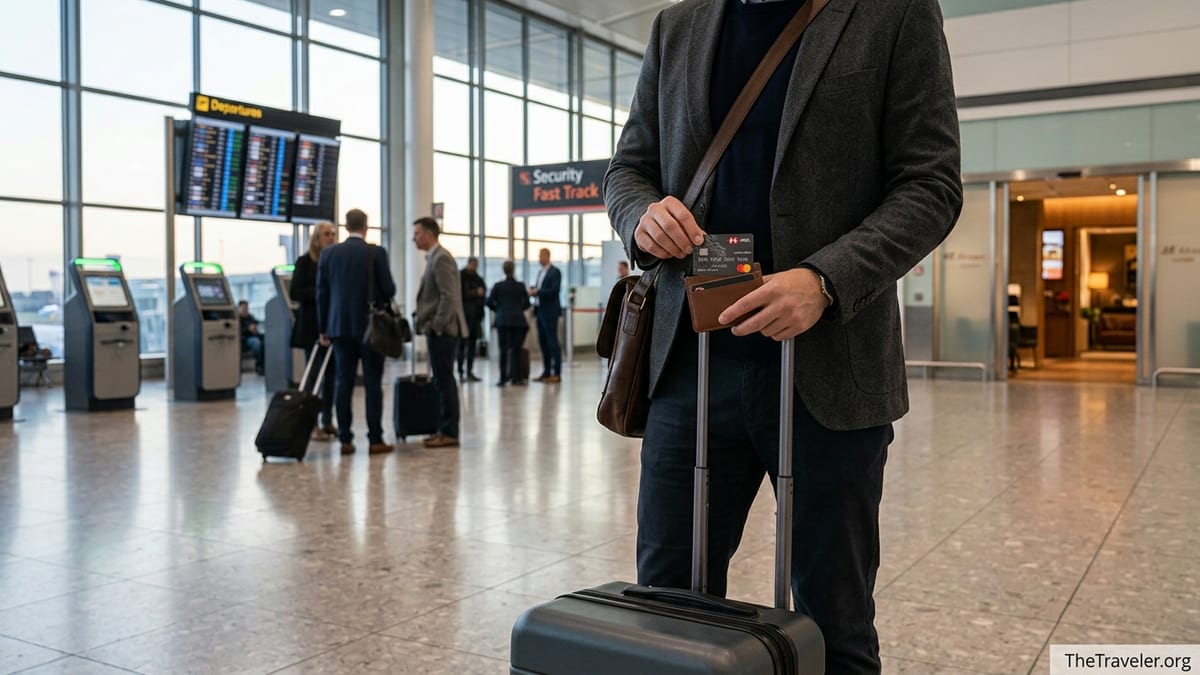
What This Card Is (and Where It Is Offered)
The HSBC Premier World Elite Mastercard is positioned as a premium travel credit card available to HSBC Premier banking customers in selected markets such as the United Kingdom, parts of Europe, Mexico and some international or expat hubs. It is not a mass-market product, and in several countries HSBC offers different Premier or Elite cards instead. In the United States, for example, new applicants typically receive the HSBC Elite World Elite Mastercard or the HSBC Premier World Mastercard rather than a product literally called “Premier World Elite.” That distinction matters when you read about benefits online, because details differ by country.
In the UK, the HSBC Premier World Elite Mastercard currently carries an annual fee of about £290 and requires you to maintain a Premier relationship, usually by meeting minimum income or asset thresholds with HSBC. In Mexico, the HSBC Premier World Elite card is tied to local Premier requirements and benefit guides that apply only to cards issued there. If you are a globally mobile customer, you may find that your Premier status allows you to apply for similar cards when you move countries, but each card is still governed by its local terms and fees.
Before your first use, log in to your local HSBC website or app, locate the specific product page for your exact card, and confirm key facts such as annual fee, earn rate, foreign transaction fee, lounge access rules and insurance coverage. Do not assume that a benefit described in a UK review automatically exists on a card issued in Hong Kong or Mexico, even if both carry the World Elite name.
For a typical traveler based in London or Manchester with the UK version of the card, the appeal is straightforward: high points earning on everyday spend, the ability to convert those points into airline miles with partners like British Airways or Emirates, and generous travel perks such as unlimited Priority Pass lounge access. Used correctly on even one or two long international trips per year, the card’s fee can be offset by lounge visits, welcome bonus value and mileage redemptions.
Core Rewards: How Spending Turns Into Flights and Hotels
The main reason to use the HSBC Premier World Elite Mastercard is its accelerated reward earning. On the UK card, for example, you earn three HSBC reward points per £1 of eligible spending in sterling and four points per £1 spent in non-sterling currencies. HSBC allows you to convert these points into miles with several frequent flyer programs, including major carriers such as British Airways, Emirates, Etihad and Qatar Airways. The exact conversion ratio varies by market, but for the UK card it effectively works out to about 1.5 airline miles per £1 of local-currency spend and 2 airline miles per £1 of foreign-currency spend.
To see how this plays out, imagine you charge £2,000 in sterling and the equivalent of £1,000 in euros during a week in Italy and Spain. On the UK card, that trip might earn roughly 6,000 miles from the sterling spend and 2,000 miles from the foreign spend, for about 8,000 miles total. That is enough for a one-way economy redemption on some short-haul routes in Asia or the Middle East, or a meaningful top-up toward a long-haul flight in British Airways Executive Club or a Gulf carrier program when combined with your existing miles.
Redemption flexibility is another early decision. HSBC reward points can typically be used in several ways: transferring to airline partners, booking flights or hotels through an HSBC travel portal, or redeeming for merchant vouchers and gift cards. For most frequent travelers, converting to airline miles offers the highest potential value per point, especially for premium-cabin or long-haul redemptions. For instance, using 60,000 miles for an off-peak business-class one-way ticket to Dubai that would otherwise cost £1,500 easily trumps redeeming the same points for approximately £300 to £400 in shopping vouchers.
If you are new to points and miles, start by choosing one primary airline program that matches your usual routes. A UK-based traveler who regularly flies to New York might focus on British Airways or a transatlantic partner, while someone commuting between London and Dubai might prioritise Emirates or Qatar Airways. Once you decide, link that frequent flyer account in your HSBC rewards dashboard and experiment with a small transfer first, perhaps 5,000 points, to confirm the process and timing before you move a large balance.
Lounge Access, Fast Track and Airport Perks on Your First Trip
For many new cardholders, the biggest visible upgrade on the first journey is airport lounge access. The HSBC Premier World Elite Mastercard in the UK, for example, includes unlimited Priority Pass lounge visits for the primary cardholder and any additional cardholders, covering over 1,700 lounges worldwide. In practice, that means that before a flight from London Heathrow to Singapore, you can arrive two hours early, show your physical or digital Priority Pass membership at a participating lounge, and settle into a quiet space with complimentary food, drinks, Wi-Fi and power outlets instead of paying £20 to £30 per person at crowded terminal cafes.
To avoid confusion at the airport, complete the Priority Pass registration as soon as you receive your HSBC card. HSBC usually sends either an email or postal welcome kit explaining how to enrol. You will often need to activate your membership online, download the Priority Pass app, and log in to generate a QR code or digital card. The first time you use it, allow extra time at security and the lounge entrance to handle any questions or technical delays.
Many Premier World Elite cardholders also enjoy fast-track security at selected airports through Mastercard Travel Experiences powered by providers such as DragonPass. In practice, that might mean using a dedicated priority lane at Manchester, Birmingham, or a European hub where queues can easily reach 45 minutes at peak times. On an early-morning flight to Amsterdam, slipping through security in 10 minutes instead of half an hour can be the difference between a relaxed breakfast and a stressful sprint to the gate.
One practical tip for your first journey: check in advance which lounges and fast-track lanes are included at the specific airports on your itinerary. For example, flying from London Gatwick to Malaga and then returning via Madrid might involve three different terminals, each with different lounge partners and capacity limits. Priority Pass and Mastercard travel portals list participating lounges, guest rules and opening times, and this is far more reliable than assuming that every airport on your route will have a lounge you can use.
Foreign Currency, Fees and Getting the Best Exchange Rate
Because the HSBC Premier World Elite Mastercard often earns more points on non-sterling or foreign-currency spend, it is tempting to use it for every purchase abroad, from hotel bills to gelato on a side street in Rome. The catch is that many versions of the card charge a foreign transaction fee, frequently around 2.99 percent of the purchase amount. That means a €100 dinner in Barcelona might cost you roughly an extra £3 in fees if the fee applies, even before considering the exchange rate.
Some HSBC cards marketed to Premier and Elite customers in certain countries advertise “no foreign transaction fees,” but online user reports suggest that HSBC sometimes uses its own FX rates instead of the raw Mastercard rate, which can be two to three percent less favourable on a given day. In practice, this can behave similarly to a hidden fee, because your statement reflects a higher sterling amount than you might expect. The exact approach can change by market and over time, so the only reliable strategy is to check the terms for your specific card, then compare a couple of real transactions to the interbank rate using a currency converter.
On your first trip, pick one meaningful test purchase, such as a €200 hotel bill paid with your HSBC Premier World Elite card. When the transaction posts, compare the sterling amount on your statement against the mid-market rate for that day. If you see that £170 was charged where the true market rate on the day would have yielded about £166, you have effectively paid roughly 2.5 percent in implicit costs. Knowing that helps you decide whether the extra reward points on foreign spend are worth it, or if you should concentrate your international purchases on a different card with genuinely no FX surcharge.
Also be careful with dynamic currency conversion when paying abroad. Merchants in Europe or Asia may ask whether you want to pay in your home currency instead of the local one. This almost always applies a poor exchange rate on top of any fees. With the HSBC Premier World Elite Mastercard, always choose to be charged in the local currency and let the card network handle the conversion. The combination of a reasonable FX rate and high earn rate on foreign spend is usually better value than paying in sterling at the point of sale.
Travel Insurance, Protections and When They Actually Apply
Many HSBC Premier customers receive travel insurance as part of their banking relationship, rather than solely as a credit card benefit. The Premier World Elite Mastercard may layer on additional protections such as trip cancellation coverage, rental car insurance, delayed baggage reimbursement, purchase protection and extended warranty. In some markets, Mastercard itself provides complimentary travel accident and medical coverage for World Elite cardholders, subject to registration and strict conditions.
Before your first major trip, download and read the insurance policy documents linked from your local HSBC site or your card’s benefit guide. Pay close attention to activation rules. Some policies require you to pay the full cost of your return trip with the card for coverage to apply. Others extend coverage simply because you hold the card and are a Premier customer, whether or not you charged the ticket to that card. If you assume you are covered and then use another card for a cheap airline sale, you may later discover that your travel insurance never activated.
For a concrete scenario, imagine you book a £600 economy return ticket from London to Toronto through an online agency but pay with a debit card. A week later, your child falls ill and you must cancel the trip, losing £450 in non-refundable fares. If your travel insurance required you to have paid with the HSBC Premier World Elite Mastercard, your claim could be denied. If, however, the policy for your market covers you as a Premier account holder regardless of payment method, you may be able to claim most of the loss. That is why the payment requirement section of the policy is worth reading carefully.
Rental car insurance is another area where details matter. Some World Elite Mastercard packages provide collision damage waiver coverage when you pay for the rental fully with the card and decline the rental company’s insurance. But the policy might exclude certain vehicle types, such as luxury SUVs or campervans, and may not apply in countries like Ireland or Italy where local rules complicate credit card coverage. When you reserve a car in Los Angeles or Lisbon using your HSBC Premier World Elite card for the first time, confirm whether the coverage is primary or secondary and what excess or deductible may still fall to you.
Practical First-Trip Strategy: Flights, Hotels and Daily Spend
To put everything together, consider how a new UK-based cardholder might structure a first major trip, such as a 10-day holiday in Singapore and Bali. The cardholder books two economy tickets from London Heathrow to Singapore on a oneworld airline, paying around £1,800 total with the HSBC Premier World Elite Mastercard. That single purchase likely triggers a significant portion of any welcome bonus requirement, while also earning several thousand points that can later convert to miles.
Before departure, the traveler registers for Priority Pass, downloads the app, and enrolls in Mastercard’s travel experience program for fast-track security. On departure day at Heathrow, they arrive three hours early, use the fast-track lane to clear security in under 15 minutes despite busy summer traffic, and then access an eligible lounge. Two lounge visits, with food and drinks for a couple, might easily replace £40 to £60 of terminal spending, a tangible early payoff against the card’s annual fee.
On the ground in Singapore, the traveler uses the HSBC card for large expenses where the reward multiplier is valuable: hotel bills of roughly S$250 per night, a rooftop bar tab at a high-end venue and a clothing purchase at a department store. For street food, public transport and small shops that may add surcharges for international cards, they may elect to use cash or a local digital wallet. In Bali, they again prioritise using the HSBC card at mid-range hotels, beach clubs and spas that accept Mastercard, while keeping in mind the possible FX margin and foreign transaction fee.
Once home, the traveler checks the card statement. They confirm that the total foreign-currency spend during the trip was about £2,000 equivalent, generating a meaningful batch of extra reward points. They also check how HSBC converted Singapore dollars and Indonesian rupiah into pounds, comparing a couple of dates with an online FX chart to confirm whether the bank’s rates were close to interbank or included a hidden margin. After a month or two, they log into the HSBC rewards portal, see that their balance has crossed a milestone such as 40,000 points, and transfer them to their chosen airline program to book a future European city break.
Common Pitfalls New Cardholders Should Avoid
Several missteps can erode the value of the HSBC Premier World Elite Mastercard for first-time users. The most costly is carrying a balance and paying interest. Premium travel cards often have purchase APRs above 20 percent, and no amount of reward points or lounge visits can justify paying monthly interest on holiday spending. If you have just used the card for a big trip to Tokyo or Cape Town, make a plan to clear the balance in full by the due date, even if that means temporarily pausing other discretionary spending.
The second pitfall is underusing core benefits you are effectively paying for through the annual fee. If you forget to register for Priority Pass, never use lounge access, rarely convert points into high-value airline miles, and do not leverage travel insurance, you may find that a cheaper rewards card would have served you just as well. After your first year, review how many lounge visits you made, how many miles you redeemed and whether the card’s perks genuinely improved your trips. If you only flew once and barely used the lounge or fast track, you may need to adjust your strategy for year two.
Another issue is assuming that all World Elite Mastercards are equal. Competitive products from other banks, such as premium World Elite cards in Canada or Asia, may have different combinations of earn rates, FX fees and insurance. When you read about another traveller’s experience boarding a complimentary chauffeur service or unlocking a rare hotel status, remember that those extras may be specific to a different bank or country. Always verify that a given perk appears in your HSBC documentation before planning around it.
Finally, be attentive to card account changes. In some countries, HSBC has updated lounge access rules, adjusted earn rates or shifted from one lounge provider to another. You might see online discussions about “nerfs” to a World Elite card’s benefits. When you receive a notice of change in terms, take five minutes to read the summary and decide if it affects your travel plans. If, for instance, lounge access for guests begins to attract a fee, you may choose to pay for guests on only the longest layovers instead of every flight.
The Takeaway
Used thoughtfully, the HSBC Premier World Elite Mastercard can transform your very first international trip with smoother airport experiences, faster rewards earning and an added layer of insurance and purchase protection. The key is to understand that this is a premium travel tool tightly linked to your local HSBC Premier relationship, with benefits that vary meaningfully by country and change over time.
Before you travel, confirm your exact card’s earn rates, fees, lounge privileges and insurance rules. Register for Priority Pass and any fast-track services, and set a simple plan for where you will and will not use the card abroad. During your trip, lean on the card for big-ticket items such as flights and hotels, protect yourself from poor exchange rates and dynamic currency conversion, and keep an eye on your growing reward balance. Afterward, convert those points into airline miles or travel bookings that move you closer to your next journey.
If you approach your first trip as a deliberate test run, you will quickly discover whether the HSBC Premier World Elite Mastercard matches your travel habits. For many frequent flyers and globally mobile professionals, it can anchor a broader strategy that combines smart points accumulation, comfort-enhancing perks and disciplined repayment. For more occasional travelers, even a single well-planned long-haul holiday can be enough to justify the fee and set the tone for years of more rewarding travel.
FAQ
Q1. Is the HSBC Premier World Elite Mastercard the same in every country?
The name is similar but the details are not. Each country where HSBC issues a Premier World Elite or comparable card sets its own annual fee, earn rate, lounge access rules and insurance terms. Always rely on the documents from your local HSBC site or branch for accurate information about your card.
Q2. How do I access airport lounges with my HSBC Premier World Elite card?
In many markets, including the UK, lounge access is provided through a Priority Pass or similar membership. After receiving your card, you usually need to register for the lounge program, download its app and either carry a physical card or show a digital QR code at the lounge entrance. The HSBC card itself is not always enough to enter, so complete registration before your first trip.
Q3. Does the card charge foreign transaction fees when I spend abroad?
It depends on the version of the card. Some HSBC Premier and Elite products charge a foreign transaction fee of around 2.99 percent, while others advertise no fee but may use bank-set FX rates. Check the pricing information for your specific card and compare one or two real transactions against an independent FX reference to understand your true cost.
Q4. What is the best way to use the rewards points I earn?
For most frequent travelers, transferring points to airline partners usually delivers the highest value, especially for long-haul or premium-cabin flights. If you prefer simplicity, you can also redeem through HSBC’s travel portal for flights and hotels, or take gift cards and statement credits, though these options often yield a lower effective value per point.
Q5. Do I have to pay for my flights with the card to get travel insurance coverage?
Often yes, but the rule varies by market and by policy. Some HSBC Premier customers are covered as long as they hold qualifying accounts, regardless of which card they use to pay. Others must charge the entire return trip to the eligible card. Read the travel insurance policy linked from your local HSBC materials and follow those payment requirements closely.
Q6. Can I add family members as additional cardholders, and do they get the same perks?
In many countries you can add a spouse or family member as an additional cardholder for an extra annual fee. They typically share the same credit limit and can access key travel benefits, such as airport lounges, though fast-track access or insurance coverage may require separate registration. Check your local card’s terms for additional cardholder pricing and eligibility.
Q7. How soon should I apply for the card before a big trip?
It is sensible to apply at least six to eight weeks before departure. This allows time for application processing, card delivery, online banking setup, lounge membership registration and receipt of any physical Priority Pass card. It also gives you a few weeks of everyday spending to help qualify for any welcome bonus tied to an initial spend requirement.
Q8. What happens if my HSBC Premier World Elite card is lost or stolen while I am abroad?
You should contact HSBC immediately using the number on the back of your card (stored separately) or via the bank’s website or app. HSBC can block the card, arrange a replacement and in many cases provide emergency cash or temporary card solutions depending on your location. World Elite cards generally receive priority handling, but you still need to report the loss promptly to limit any liability.
Q9. Does using the card for cash withdrawals at ATMs hurt the value of the rewards?
Yes. Cash advances usually incur immediate interest charges, a separate cash advance fee and no reward points. If you withdraw the equivalent of £200 from an ATM abroad, you might pay a handling fee plus interest from day one, quickly erasing any benefit from the card’s travel perks. Reserve the card for purchases and keep a separate plan for cash, such as debit withdrawals or local currency exchange.
Q10. How can I tell if the annual fee is worth it after my first year?
At the end of your first card year, review how many lounge visits you made, the approximate cash value of any rewards you redeemed and whether the insurance or protections saved you money or hassle. Compare that total value to the annual fee you paid. If the benefits clearly exceed the cost and match your travel style, the card is likely worth keeping. If not, you may want to downgrade, cancel, or adjust how you use it before renewing.