

Tanzania rewards visitors with wildlife-filled savannas, tropical islands and some of East Africa’s most welcoming cities. To enjoy it all, travelers need to think carefully about health preparation long before boarding a flight.
Vaccination requirements for Tanzania are a mix of official entry rules and strong medical recommendations that vary by traveler, itinerary and time of year. Understanding which shots are mandatory, which are advised and how they fit into a broader travel health plan is essential to stay safe and avoid being turned away at the border.
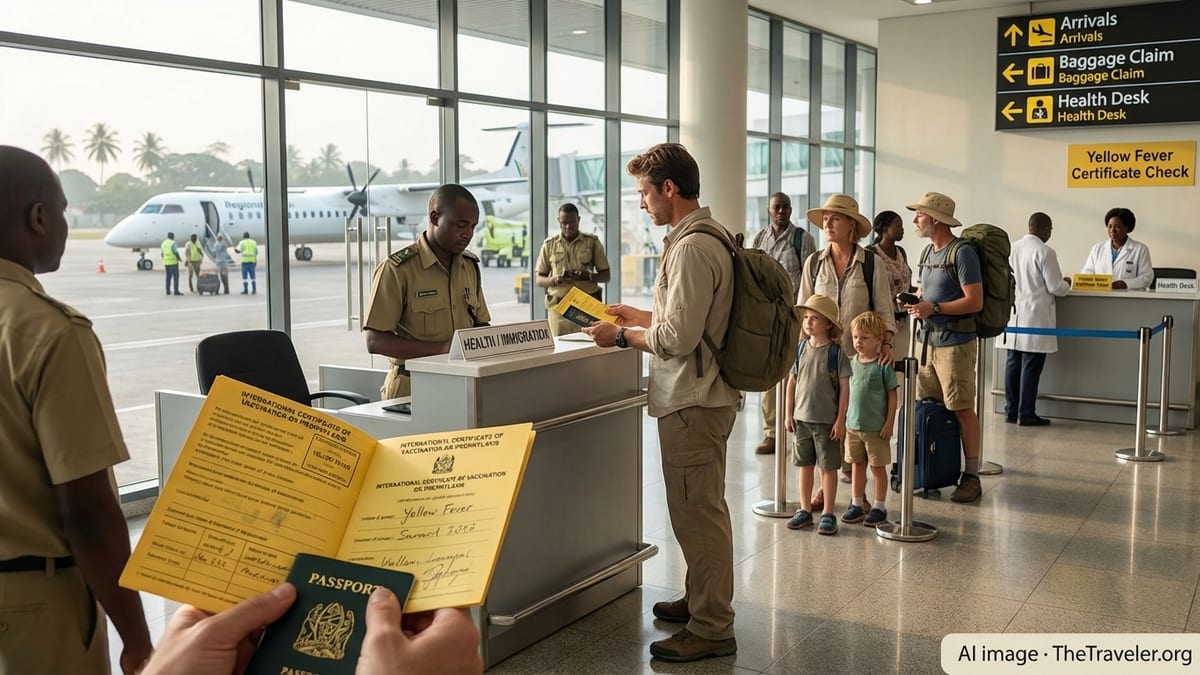
Understanding Tanzania’s Entry Rules and Vaccine Requirements
Tanzania’s core vaccination rules are shaped by two different concerns: protecting the local population and protecting the country from imported diseases such as yellow fever. Basic childhood vaccines, like measles or polio, are not checked at the border, but they remain medically important. By contrast, proof of yellow fever vaccination can be requested under certain circumstances, and that catches many travelers off guard. The distinction between what is required and what is recommended often depends on where you have been before arriving in Tanzania and how long you stayed there.
For most travelers flying directly from Europe, North America, or other countries that are not considered at risk for yellow fever transmission, vaccination against yellow fever is not an entry requirement. However, the situation changes if you transit or stay in a country that is on Tanzania’s official yellow fever risk list, especially if that stopover is more than a very short airport connection. In those cases, border officials can legally ask for an International Certificate of Vaccination or Prophylaxis showing that you received a yellow fever vaccine at least 10 days before arrival.
The rules also differ slightly between the Tanzanian mainland and the semi-autonomous islands of Zanzibar. Zanzibar has been known to apply yellow fever rules more strictly, particularly for travelers arriving from or via endemic countries, and checks may be more common there than at some mainland airports. It is important for travelers with complex multi-stop itineraries to map their route carefully, because a single night in a high risk country on the way to Tanzania can trigger entry requirements on arrival.
Beyond yellow fever, there are currently no other vaccines that Tanzania mandates as a condition of entry for most tourists. However, this does not mean that other vaccinations can be ignored. International and national health agencies strongly advise a range of immunizations to protect against diseases that occur in the country, from hepatitis to rabies. Understanding the difference between rules written into border regulations and vaccines that are simply very wise is the first step toward a well-planned trip.
Routine Vaccines: Your Essential First Layer of Protection
Before considering any destination specific vaccines for Tanzania, travelers should ensure that their routine immunizations are up to date. Health agencies consistently emphasize that outbreaks of classic childhood diseases can and do occur among unvaccinated people in many parts of the world, including popular tourist routes. In a country where health care access may be limited outside major cities, prevention is far simpler and safer than treatment after exposure.
Routine vaccines that travelers should review typically include measles, mumps and rubella, diphtheria, tetanus and pertussis, polio and seasonal influenza. Adults who have not received a tetanus booster in the last decade should take the opportunity to get one before departure, particularly if they plan to hike, camp or visit rural areas where even minor injuries may be exposed to soil and animal waste. Similarly, measles immunity is critical for anyone born in years or regions where coverage may have been incomplete or uncertain.
Polio vaccination is also important, especially as some African countries have experienced sporadic detections of circulating virus in recent years. Visitors vaccinated in childhood typically retain substantial protection, but people whose status is unknown or incomplete should seek medical advice well before their trip. Seasonal influenza, while rarely a travel-specific vaccine, is worth considering for long flights and close contact with other travelers in crowded airports and safari vehicles.
Checking and updating routine immunizations several weeks before travel provides a base level of protection that supports any additional destination specific shots. It can often be handled in a single visit to a primary care clinic or travel medicine specialist, who can then build on that foundation with extra doses tailored to the Tanzanian itinerary. Starting with this step can simplify subsequent decisions and ensure that any boosters have time to take effect before departure.
Strongly Recommended Vaccines for Most Travelers to Tanzania
Once routine vaccinations are confirmed, most travelers to Tanzania are advised to consider additional vaccines that address common local health risks. The most widely recommended are hepatitis A, hepatitis B and typhoid, reflecting the reality that food and water hygiene, medical safety standards and blood exposure risks may differ from those in the traveler’s home country. These vaccines are geared toward preventing serious illness from infections that are relatively common in many parts of East Africa.
Hepatitis A is spread primarily through contaminated food and water, and even careful travelers can be exposed in ways they cannot fully control. Because the virus is highly infectious and can cause severe liver inflammation, health authorities usually recommend hepatitis A vaccination for virtually all visitors to Tanzania, regardless of where they plan to stay or what sort of dining they expect to do. The vaccine is typically given as a series, and the first dose offers significant short term protection, so travelers should schedule it as early as possible.
Hepatitis B, transmitted through blood and body fluids, is especially relevant for travelers who might need medical care, have tattoos or piercings abroad, or engage in sexual contact. In Tanzania, medical facilities vary in quality and sterility standards. While many travelers will never face any situation that exposes them to hepatitis B, vaccination offers a durable shield for those unpredictable moments such as accidents, emergency treatment or contact sports. Many countries now include hepatitis B in their routine childhood schedules, but adults who missed it can receive a catch-up series.
Typhoid fever is another significant concern, particularly for visitors who plan to eat local street food, travel extensively in rural areas or stay for several weeks. Typhoid can be spread by contaminated food and water, and the illness is notorious for causing high fever, abdominal pain and prolonged fatigue. Several vaccine formulations are available, with varying schedules and durations of protection. A travel medicine provider can help choose the most appropriate option and discuss how vaccination should be combined with careful food and water hygiene to reduce risk further.
Yellow Fever: When You Need the Vaccine for Tanzania
Yellow fever is often the most confusing vaccine topic for travelers to Tanzania, because whether it is required or recommended depends heavily on recent travel history. Tanzania itself is not considered a country with active yellow fever transmission, so visitors flying non-stop or with short connections from non-risk countries usually do not face a requirement to show proof of vaccination on arrival. For such travelers, health agencies do not typically list yellow fever as a standard recommendation.
The situation changes when travelers spend time in a country where yellow fever circulates, or even transit certain airports for longer periods as part of a multi-leg journey. Tanzania’s regulations allow border officials to request proof of yellow fever vaccination from anyone arriving from a risk country, often with a focus on stays or longer transits rather than very brief flight connections. Airlines may also check certificates at check-in, since they can be held responsible if passengers are denied entry upon landing.
Because rules can occasionally be interpreted differently in practice, especially at smaller border points, travelers with complex routes through West or Central Africa, parts of South America or other endemic regions should consult a reputable travel health clinic and their airline well ahead of time. The yellow fever vaccine itself is a single injection that provides long-lasting, usually lifelong, protection. However, it is a live vaccine that may not be suitable for everyone, particularly people with certain immune conditions, infants under a specified age or those with particular medical histories.
Travelers who cannot safely receive the yellow fever vaccine should discuss the possibility of an official medical waiver with their doctor. Although not every border officer will accept waivers, many do when they are properly issued. Considering the yellow fever question early in the planning process helps avoid last-minute stress, as the vaccine is only administered at approved centers and must be given several days before exposure for full efficacy.
Additional Vaccines for Higher Risk Itineraries
Some travelers to Tanzania should consider an extended menu of vaccines depending on how and where they plan to travel. Rabies vaccination is an important topic for those who anticipate close contact with animals, such as wildlife researchers, veterinarians, volunteers working with dogs, or long-term visitors in remote communities. While most tourists stay in vehicles during wildlife drives, stray dogs and other animals are common in cities and villages, and access to prompt, high quality rabies post-exposure treatment may be limited in rural areas.
Pre-exposure rabies vaccination typically involves a series of injections, after which any bite or significant scratch still requires urgent medical attention but may simplify the treatment steps. The decision to receive this vaccine should be made in consultation with a health professional, balancing cost, time and the type of activities planned in Tanzania. For hikers, cyclists, children or anyone likely to be active outdoors in areas with limited medical infrastructure, the extra layer of protection can be reassuring.
Another vaccine that may be discussed is meningococcal vaccination. While Tanzania does not always appear at the top of the list for meningococcal risk compared with some regions of the African meningitis belt, outbreaks can occur, and crowded travel conditions increase the probability of exposure. Long-term visitors, students, aid workers or people traveling during local outbreak seasons should ask whether a meningococcal shot is wise in their specific case, especially if they will live in close quarters with others.
Depending on individual medical history and national guidelines, other vaccines such as cholera may occasionally be recommended for travelers involved in humanitarian work, health care delivery or long-term stays in communities with limited access to clean water and sanitation. While this is not a standard recommendation for most tourists heading to national parks and beach resorts, it underscores the importance of tailoring any vaccine plan to the reality of the itinerary rather than a generic checklist.
Malaria, Mosquitoes and Other Preventive Measures
Vaccines are only one piece of the health puzzle for a trip to Tanzania. Malaria, for example, does not yet have a widely used vaccine regimen for short term travelers in the way that yellow fever does, so prevention relies on other strategies. Tanzania has significant malaria transmission in many regions, including some popular safari destinations and lowland coastal areas. Travelers are typically advised to discuss prescription antimalarial medications with their doctor, as well as practical steps to avoid mosquito bites.
Effective malaria prevention involves a combination of carefully chosen tablets, insect repellent with a reliable active ingredient, bed nets and appropriate clothing. In many lodges and camps, nets are provided, but travelers should verify this before arrival and ensure they are intact and properly used. Applying repellent in the evenings and wearing long sleeves and trousers when mosquitoes are most active adds another layer of defense. These measures help protect not only against malaria, but also against dengue, chikungunya and other mosquito-borne diseases that may be present.
Beyond mosquitoes, food and water precautions remain important even if vaccinated against hepatitis A and typhoid. Travelers should be selective about where they eat, favor freshly cooked food, avoid ice of uncertain origin and drink bottled or treated water when necessary. Simple hygiene habits, such as frequent handwashing or using alcohol-based sanitizers, can dramatically reduce the likelihood of gastrointestinal illness that could otherwise disrupt a carefully planned itinerary.
Finally, travelers should think about sun exposure, altitude and road safety, none of which are addressed by vaccines but each of which can have real health consequences. High-elevation treks on Kilimanjaro or the crater rim of Ngorongoro, long journeys on uneven roads and hours in intense equatorial sun call for basic strategies such as gradual acclimatization, use of seat belts, high factor sunscreen and proper hydration. Seen together with vaccines, these non-pharmaceutical measures create a comprehensive approach to staying healthy in Tanzania.
Planning Timeline, Documentation and Travel Health Resources
Effective vaccine planning for Tanzania begins weeks or ideally months before departure. Some vaccines require multiple doses spaced over several weeks, and others, such as yellow fever, must be given a certain number of days before arrival to be considered valid. Experts often suggest starting travel health consultations at least six to eight weeks before an international trip, especially for complex itineraries that involve several countries in the region.
During a pre-travel consultation, a clinician will review the traveler’s medical history, current medications, vaccination records, previous infections and the details of the planned trip. Age, pregnancy, immune status and chronic conditions can all influence which vaccines are suitable. After discussing options, the provider will propose a schedule that fits both medical guidelines and practical realities such as work, school and flight dates. Travelers should bring any available immunization records to this appointment to avoid repeating shots unnecessarily.
Documentation is particularly important for vaccines that may be checked at borders, most notably yellow fever. Proof is recorded in an International Certificate of Vaccination or Prophylaxis, which should be kept with the passport and presented on request. Some travelers like to keep digital copies of these documents, but physical originals remain the standard at most entry points. In addition, it is wise to carry a list of current medications, allergies and key medical conditions in case of emergencies abroad.
Travelers can also benefit from consulting official government travel health advisories from their home country, alongside global guidance from reputable health organizations. These resources outline recommended vaccines, describe current disease trends, and highlight any active outbreaks or new regulations that might affect entry to Tanzania. While they do not replace personalized medical advice, they help travelers ask informed questions and verify that the guidance they receive is consistent with current evidence and policy.
The Takeaway
Preparing for a trip to Tanzania involves more than booking safari camps and beach lodges. Vaccines and other preventive measures form a critical part of any responsible itinerary, protecting both visitors and the communities they encounter. From updating childhood immunizations to considering specific shots for hepatitis, typhoid or rabies, the process is most effective when started well in advance and tailored to the exact details of the journey.
Understanding when yellow fever vaccination is required, how antimalarial strategies fit into the broader health picture and why some travelers need extra protection helps reduce uncertainty at the border and during the trip. Coupled with careful attention to mosquito avoidance, food and water hygiene, and general safety, a well-structured vaccine plan allows travelers to focus on Tanzania’s extraordinary wildlife, landscapes and cultures rather than health concerns. Thoughtful preparation turns immunization from an administrative chore into a practical investment in a safer, more relaxed adventure.
FAQ
Q1: Do I need any vaccines to enter Tanzania?
Most travelers do not face a blanket vaccine requirement to enter Tanzania, but proof of yellow fever vaccination may be required if you are arriving from or transiting through certain countries with yellow fever risk. Other vaccines such as hepatitis A, hepatitis B and typhoid are not required for entry but are strongly recommended for health protection.
Q2: Is yellow fever vaccination mandatory for all visitors?
No. Yellow fever vaccination is generally mandatory only for travelers who have recently been in or transited through a country where yellow fever is present. If you are flying directly from a non-risk country, you typically will not be asked for a yellow fever certificate, although rules can vary slightly and may be applied more strictly in Zanzibar.
Q3: Which routine vaccines should I check before going to Tanzania?
You should ensure that common routine vaccines are up to date, including measles, mumps and rubella, diphtheria, tetanus and pertussis, polio and seasonal influenza. Adults should confirm they have had a tetanus booster within the last 10 years and that there are no gaps in childhood immunizations.
Q4: Are hepatitis A and B vaccines necessary for short trips?
Hepatitis A vaccination is widely recommended even for short holidays, because the virus can be transmitted through contaminated food and water and exposure can occur despite careful eating habits. Hepatitis B is especially recommended if there is any chance of medical treatment, new sexual partners, or other activities that involve blood or body fluids, and offers long-term protection beyond a single trip.
Q5: Should I get a rabies vaccine before a safari in Tanzania?
Rabies vaccination is not considered essential for every tourist, but it becomes more important for travelers spending extended time in rural areas, working with animals, or engaging in high-risk outdoor activities. Pre-exposure vaccination simplifies treatment after a potential bite but does not remove the need for urgent medical care, so decisions should be made with a travel health specialist based on your plans.
Q6: Is there a malaria vaccine I should get before traveling?
At present, short-term travelers typically rely on antimalarial tablets and mosquito bite prevention rather than a malaria vaccine. Your doctor can recommend an antimalarial medication based on your route, length of stay and medical history. Measures such as using insect repellent, sleeping under bed nets and wearing long clothing at dusk and dawn are also essential.
Q7: How far in advance should I start my vaccinations for Tanzania?
It is best to begin planning six to eight weeks before departure, especially if you might need multiple vaccine doses or a yellow fever shot. Some vaccines require more than one appointment, and yellow fever must be given a certain number of days before arrival to be considered valid for border checks.
Q8: Do children need different vaccines than adults for Tanzania?
Children usually follow the same overall recommendations as adults, but age determines which vaccines they can safely receive and in what dose. Very young infants may not be eligible for some vaccines, and others may be incorporated into routine pediatric schedules. Parents should consult a pediatrician or travel medicine specialist to adapt guidance to the child’s age and health status.
Q9: Are vaccines bought at home valid in Tanzania?
Yes. Vaccines received in your home country, including yellow fever if given at an authorized center, are recognized in Tanzania. The key is to carry proper documentation, such as the International Certificate of Vaccination or Prophylaxis for yellow fever, and any records your doctor provides for other immunizations.
Q10: Can I get vaccinated on arrival in Tanzania instead of before I leave?
In some cases, limited vaccines may be available locally, but relying on this approach is risky. Yellow fever vaccines may be offered at certain entry points, yet this can lead to delays and may not provide timely protection. Most experts advise completing recommended vaccinations before leaving home, where you can plan the schedule safely and ensure quality of care.