

More news on this day
Spring travel plans through Vancouver International Airport are facing mounting disruption in April 2026, as a mix of volatile weather, air traffic constraints, and airline schedule changes ripple across more than 50 domestic and international routes.
Get the latest news straight to your inbox!
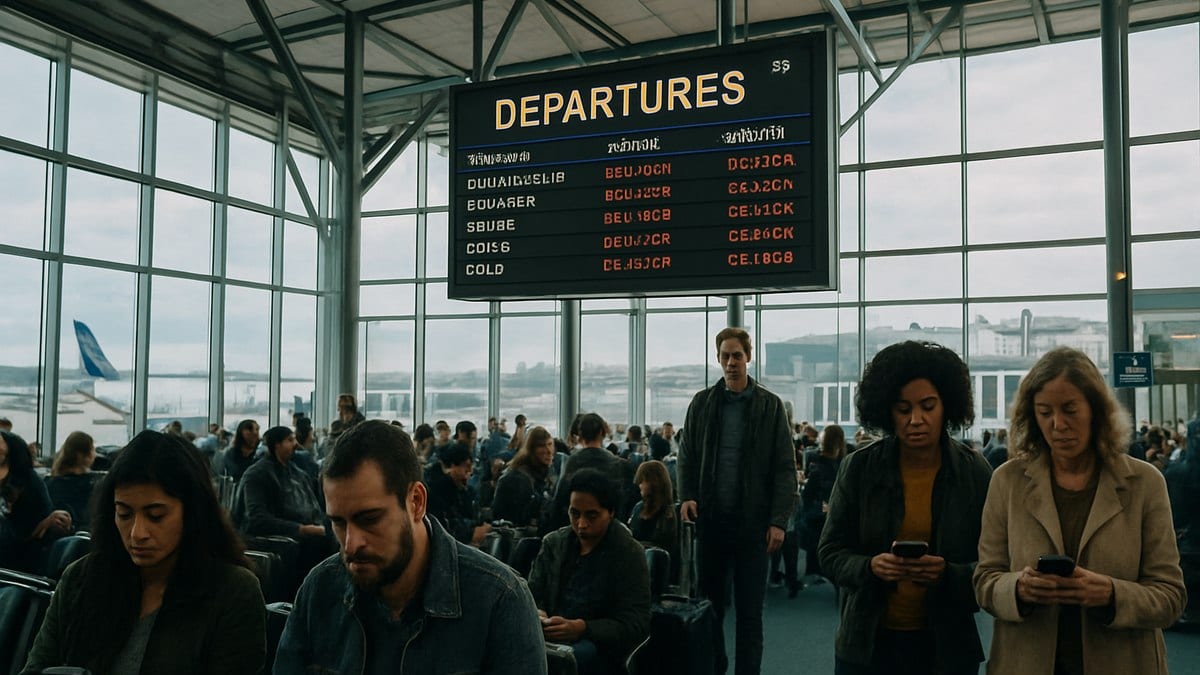
Wave of Cancellations and Delays Builds Into April
Operational data and industry reporting show Vancouver International Airport entering April with an elevated level of irregular operations, following several days of widespread disruption across the Canadian network. A late-season winter blast in early April triggered hundreds of cancellations and delays nationwide, with Vancouver listed among the major hubs experiencing knock-on effects alongside Toronto, Montreal, Calgary and other key airports.
By April 1, reports focused squarely on Vancouver described a “significant disruption” pattern, with more than a dozen cancellations and over 60 delays affecting departures and arrivals. Published coverage highlighted impacts on services operated by Air Canada, WestJet, Lufthansa, KLM and regional carriers, touching routes to Toronto, Victoria, Los Angeles, Cancun, Munich, Beijing and other major cities.
Further analysis of Canada-wide flight data from early April indicates that the situation has not been confined to a single storm day. Industry trackers point to successive days of elevated delays and cancellations across multiple hubs, with Vancouver acting both as an origin and a transfer point, amplifying the effect on travelers whose journeys connect onward to Asia, Europe, the United States and smaller regional airports in British Columbia.
Travel industry briefings emphasize that many of the affected Vancouver services are interconnected legs on longer itineraries. Disruptions on core domestic segments such as Vancouver to Toronto or Calgary have cascaded into missed connections on transpacific and transborder flights, intensifying the overall impact and contributing to the tally of more than 50 disrupted routes with at least one Vancouver leg in April.
Weather, Runway Work and Airspace Constraints Combine
Several overlapping factors appear to be driving the turbulence around Vancouver this month. Published analyses of Canadian aviation performance in late March and early April point first to weather, with powerful winter systems bringing snow, low visibility and strong winds to parts of Western Canada. These conditions have periodically limited arrival and departure rates across multiple airports, including Vancouver, forcing airlines to trim schedules and hold aircraft out of position.
At the same time, technical documentation from air navigation authorities outlines temporary restrictions in effect through much of March and into late April, covering taxiway closures and runway-related changes in the Vancouver area. While these measures are designed to keep traffic flowing, they can reduce overall capacity at peak times. Prior episodes in 2025, when overnight runway work at Vancouver resulted in reduced capacity and visible queues, provide a clear precedent for how even short-lived infrastructure constraints can quickly translate into widespread delays.
Air traffic control procedures and the shared airspace of the Pacific Northwest also play a role. When weather or congestion builds up at major U.S. hubs such as Seattle, San Francisco or Los Angeles, flow-control measures can slow traffic heading south from Vancouver, leading to holding patterns on the ground, rolling delays and occasional diversions. Recent accounts of Vancouver flights diverted to alternative airports in the region due to low visibility illustrate how quickly conditions can force route-level changes outside the original schedule.
Industry observers note that the combined effect of weather variability, infrastructure work and airspace management constraints is particularly acute during seasonal transition periods like early spring. Airlines often operate tight schedules to align with school breaks and early leisure demand, leaving little room to recover when a storm system, runway restriction or downstream ground stop interrupts the plan.
Global Reach: From Regional Links to Long-Haul Hubs
The current disruption pattern at Vancouver is notable not only for the number of affected flights, but also for the breadth of the network it touches. According to synthesized route and operations data, the more than 50 routes experiencing cancellations, delays or equipment changes in April span short regional hops, cross-country domestic sectors and intercontinental long-haul services.
Regional routes within British Columbia and Western Canada have seen a disproportionate share of cancellations on some high-disruption days. Reporting from late March cited instances where up to half of flights on smaller city pairs, such as connections to Quesnel and other communities, were withdrawn, affecting essential links for residents who rely on Vancouver as their primary connection to the national and global air network.
Medium-haul and long-haul flying has also absorbed considerable turbulence. Published daily summaries show disrupted flights between Vancouver and major North American cities including Toronto, Calgary, Los Angeles and U.S. sun destinations, while international services linking Vancouver with Europe and Asia, such as routes to Munich and Beijing, have registered delays and schedule changes as airlines work around aircraft and crew imbalances.
These impacts come as airlines simultaneously reshape their Vancouver portfolios for the coming summer. Recent announcements indicate new seasonal services from Vancouver to Mexican destinations such as Monterrey and Mazatlán, alongside separate decisions by some carriers to suspend or trim select U.S. routes from Vancouver due to softer demand. The resulting mix of expansions, withdrawals and irregular operations has created a complex picture for travelers trying to interpret what April’s disruption means for future connectivity.
Passenger Experience: Missed Connections and Rebooking Challenges
For travelers, the operational complexity translates into very tangible issues at the gate and in the cabin. Accounts collected across consumer travel outlets and online forums during late March and early April describe passengers in Vancouver and other Canadian hubs facing long lines at rebooking counters, missed cruise departures, and unexpected overnight stays when connections involving Vancouver, Toronto or Calgary have broken down.
In several cases, travelers on itineraries with Vancouver as a connecting point reported that what began as a modest delay on a feeder flight quickly escalated into a missed long-haul departure, particularly on limited-frequency routes. Where daily service is not available, passengers have sometimes been shifted to alternative routings through other Canadian or U.S. hubs, adding extra legs and travel time while also placing additional strain on already busy corridors.
Observers point out that airline schedule adjustments in and out of Vancouver for April and beyond, including proactive cancellations and rerouting of some transborder flights, can make the rebooking process more complicated. A passenger who originally held a nonstop flight may now be offered an itinerary involving multiple stops and partner airlines, subject to available seats on peak travel days.
Travel advocacy groups and passenger rights platforms are advising those with Vancouver connections in April to monitor their bookings closely, use airline apps and alerts to track same-day changes, and understand their entitlements under applicable compensation and care regulations. While the precise rules vary by jurisdiction and cause of disruption, clear documentation of delays and cancellations is widely recommended as travelers navigate refund requests or compensation claims.
Outlook for the Remainder of April 2026
Looking ahead to the rest of April, operational forecasts suggest a mixed picture for travelers passing through Vancouver. Seasonal weather patterns typically stabilize through late spring, which can ease the burden on schedules as snow and low-visibility events become less frequent. However, short-lived Pacific storm systems and coastal fog remain a recurring risk for both domestic and international operations.
Navigation and airport planning materials indicate that certain temporary airfield restrictions in the Vancouver area are scheduled to remain in place into late April, though often with clearly defined end times. If these measures progress as planned, capacity at peak hours may gradually improve, reducing the need for airlines to preemptively cut frequencies or push flights into off-peak windows.
At the same time, the broader Canadian air travel system continues to operate under pressure following a winter marked by multiple severe storms and constrained staffing in some areas. As airlines rebuild resilience heading into the summer season, analysts expect carriers to keep a close eye on Vancouver’s role as a transpacific and regional hub, balancing demand growth with the need for buffers that can absorb weather and infrastructure shocks.
For now, publicly available schedules show that Vancouver will remain a busy gateway throughout April, with new and existing routes continuing to draw strong leisure and visiting-friends-and-relatives traffic. Travelers planning to pass through the airport in the coming weeks are being encouraged by industry guidance to confirm departure times well before leaving home, allow extra connection time where possible, and prepare for the possibility that further disruptions could emerge with limited notice.