

More news on this day
As Vancouver gears up for another season of al fresco dining in 2026, a new wave of rooftop lounges, waterfront decks, and expanded street patios is redefining how the city eats in the open air.
Get the latest news straight to your inbox!
Rooftops Above the Skyline: Elevated Dining in the Core
Downtown Vancouver’s rooftop scene continues to grow, with several venues positioning themselves as go-to spots for sweeping city and harbour views. At the edge of Coal Harbour, Lavantine, which opened in 2024 atop the Azur Legacy Collection Hotel, brings Eastern Mediterranean coastal flavours to a sleek skybar setting. Reports indicate that its garden-style rooftop, backed by harbour and tower vistas, remains one of the most talked-about newcomers heading into 2026.
Just a short walk away, Lift Bar Grill View in Coal Harbour continues to draw attention for what local coverage has described as one of the city’s standout waterfront rooftop decks. Set above the marina, the patio looks across the harbour toward Stanley Park and the North Shore mountains, pairing expansive views with seafood-heavy menus that suit long, lingering evenings as daylight stretches into summer.
In the downtown entertainment and shopping district, Black + Blue’s rooftop remains a high-profile choice for diners seeking a classic steakhouse experience with a contemporary spin. Recent city dining guides highlight the restaurant’s multi-level layout, with its elevated patio offering an urban outlook framed by towers and lights that appeal to both special-occasion diners and visitors looking to pair skyline shots with cocktails.
Nearby, Parker Rooftop, perched above the Parker Hotel near the Beach District, continues to attract guests with its combination of indoor lounge and extensive patio seating. Travel and nightlife roundups emphasize its altitude, polished design, and line of sight toward English Bay and False Creek, positioning it as a photogenic venue that bridges daytime brunch energy and late-night bar service.
Waterfront Icons: Patios on the Harbour, Bays, and False Creek
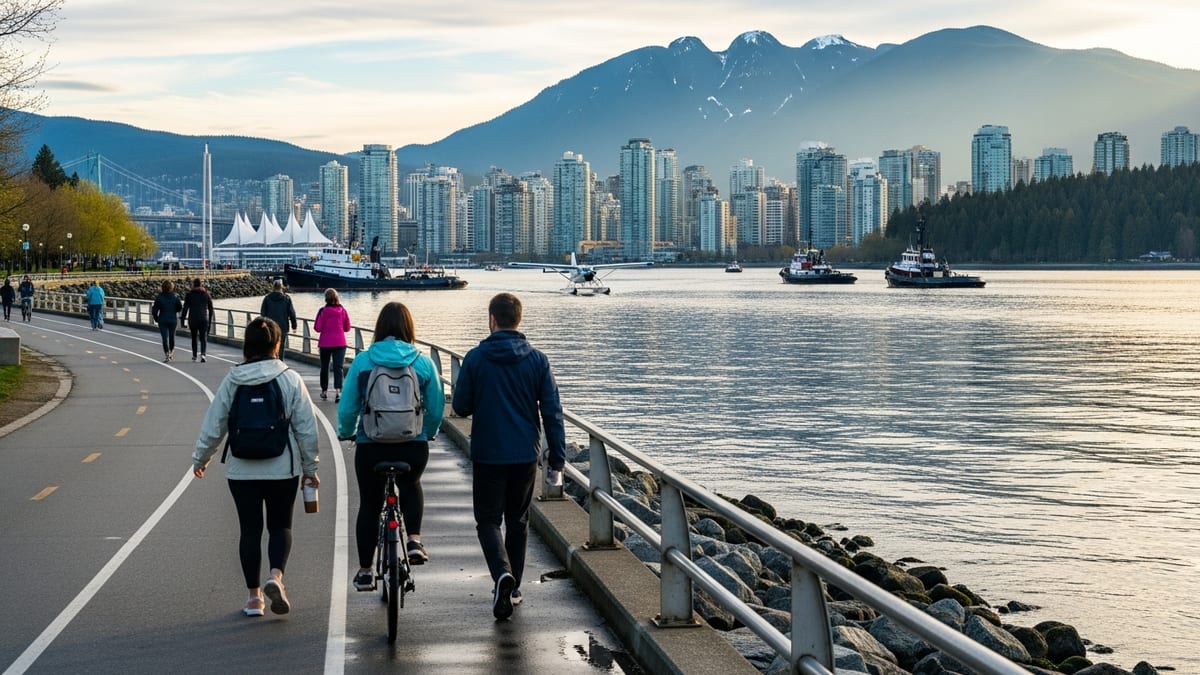
Along the shoreline, the city’s best-known waterfront patios remain central to any 2026 shortlist. In Coal Harbour, Cardero’s is frequently cited in tourism and dining guides for a patio that sits almost directly over the water, creating the impression of dining from the deck of a moored vessel. Boats, seaplanes, and the changing light over the harbour turn simple meals into extended viewing sessions.
On the opposite side of downtown, English Bay’s beachfront strip continues to anchor Vancouver’s sunset dining reputation. The historic Sylvia Hotel, fronting the sand and seawall, appears regularly in local patio features for its beach-facing bistro where nearly every table looks onto the bay. On clear evenings, the gradual fade from gold to deep blue across the water makes this section of the West End one of the city’s most atmospheric dining backdrops.
False Creek remains another hub for patios that combine water views with busy pedestrian routes. Venues such as Ancora False Creek and Popina on Granville Island feature prominently in recent guides for their proximity to the seawall and the inlet’s constantly moving traffic of kayaks, ferries, and pleasure craft. Publicly available information shows that these locations are especially popular with visitors seeking to pair dining with gallery visits, markets, and arts programming nearby.
Across the inlet in the Olympic Village and around the seawall, patios continue to benefit from direct access to waterfront paths and transit links. While the selection is more compact than downtown’s, the long sightlines back to the skyline and the mountains mean tables here often feel removed from the city’s busiest streets while still being a short ride from major attractions.
Neighbourhood Energy: Gastown, West End Streets, and Beyond
Beyond rooftops and shorelines, neighbourhood patios are evolving along with city policy. In Gastown, the Water Street pedestrian zone pilot, introduced in the summers leading up to 2026, has been paving the way for expanded patio footprints and more people-focused public space. City documents and local coverage describe how temporary road closures have opened room for curbside seating, planters, and street dining, giving patios here a festival-like feel in warmer months.
The program’s extension and a broader overhaul of Vancouver’s patio rules, discussed through 2025, are expected to influence how many restaurants in historic districts can keep or grow their outdoor seating. Gastown operators are already using the added space for café-style setups that let visitors sit beneath heritage facades while watching performers, shoppers, and sightseers move along the brick streets.
In the West End, patios along Denman and Davie Streets channel a different kind of energy, mixing neighbourhood regulars with tourists spilling over from the beach. Here, compact sidewalks and close-packed storefronts create a vibrant streetscape where patios feel closely tied to local life. Outdoor tables at casual eateries and bars fill quickly on warm evenings, with the sound of bikes, buses, and beachgoers forming a constant backdrop.
Elsewhere in the city, from Main Street to Commercial Drive, smaller patios play an important role in defining local character. Independent restaurants and cafés use modest outdoor setups to showcase neighbourhood aesthetics, from plant-filled railings to colourful murals. Together, they contribute to a broader shift toward outdoor social spaces that continues to shape Vancouver’s food culture in 2026.
Design, Comfort, and Year-Round Appeal
Recent years have seen Vancouver refine its patio regulations, leading to more consistent standards around safety, accessibility, and weather protection. Publicly available city guidelines note requirements for clear pedestrian routes and sightlines, influencing how businesses design railings, platforms, and coverings. The result has been a move toward patios that feel integrated with sidewalks and plazas rather than added on as seasonal afterthoughts.
Operators across the city are also investing in features that extend patio viability beyond peak summer months. Many of the most popular venues now incorporate overhead coverage, wind breaks, and discreet heating, allowing guests to dine outdoors in shoulder seasons or on cooler evenings. Travel and lifestyle coverage indicates that these amenities are increasingly decisive factors for diners choosing between options, especially in a climate where spring and autumn evenings can be unpredictable.
At the higher end of the market, design-forward patios are pairing landscaping and décor with curated lighting and sound to create distinct atmospheres after dark. Rooftop lounges tout fire features, sculptural planters, and ambient music, while waterfront patios lean into softer lighting that preserves night views across the harbour and bay. Together, these details help transform outdoor seating from simple overflow space into a core part of the dining experience.
As 2026 unfolds, Vancouver’s best patios are defined not only by where they sit, but by how they feel. From elevated rooftops to historic cobblestones and seawall-adjacent decks, the city’s leading outdoor spaces are combining views, design, and hospitality in ways that continue to elevate Vancouver’s reputation as a Pacific Northwest patio capital.