

Choosing between Vatnajökull National Park and Thingvellir National Park is less about which is better and more about which Iceland you want to experience. One park delivers towering ice caps, glacier lagoons and remote wilderness, while the other offers easy access from Reykjavik, powerful history and a rare chance to walk or even swim between two tectonic plates. Understanding how they differ in landscape, logistics and atmosphere will help you decide where to focus your time, or how to fit both into a single Iceland trip.
At a Glance: Two Very Different National Parks
Vatnajökull National Park and Thingvellir National Park are both UNESCO World Heritage Sites, but they tell very different stories. Vatnajökull covers roughly 12 percent of Iceland and includes the country’s largest ice cap, active volcanic systems and long tracts of designated wilderness. Much of it feels remote and elemental, shaped by the constant tension between fire and ice.
Thingvellir, by contrast, is compact and highly accessible. Just 45 to 60 minutes from Reykjavik by car along Route 36, it is a core stop on the popular Golden Circle route and is often a visitor’s first encounter with Iceland’s interior. Here the focus is geology you can see at eye level, clear walking paths and a landscape layered with over a thousand years of human history.
For many travelers, the choice comes down to time and travel style. If you want big landscapes, glacier adventures and are ready to drive several hours along the Ring Road, Vatnajökull rewards the effort. If you have only a day, prefer short walks over strenuous hikes or are traveling on a tighter budget, Thingvellir offers a dramatic but very manageable introduction to Iceland.
Both parks are open year round, with seasonal variations in accessibility and available tours. Neither charges a traditional entrance fee, though Thingvellir has paid parking at most lots and Vatnajökull tour operators set their own prices for glacier hikes, ice caves and boat trips. In both places, conditions change rapidly, so visitors should monitor weather and local guidance before heading out.
Landscapes: Ice Cap Wilderness vs Rift Valley Drama
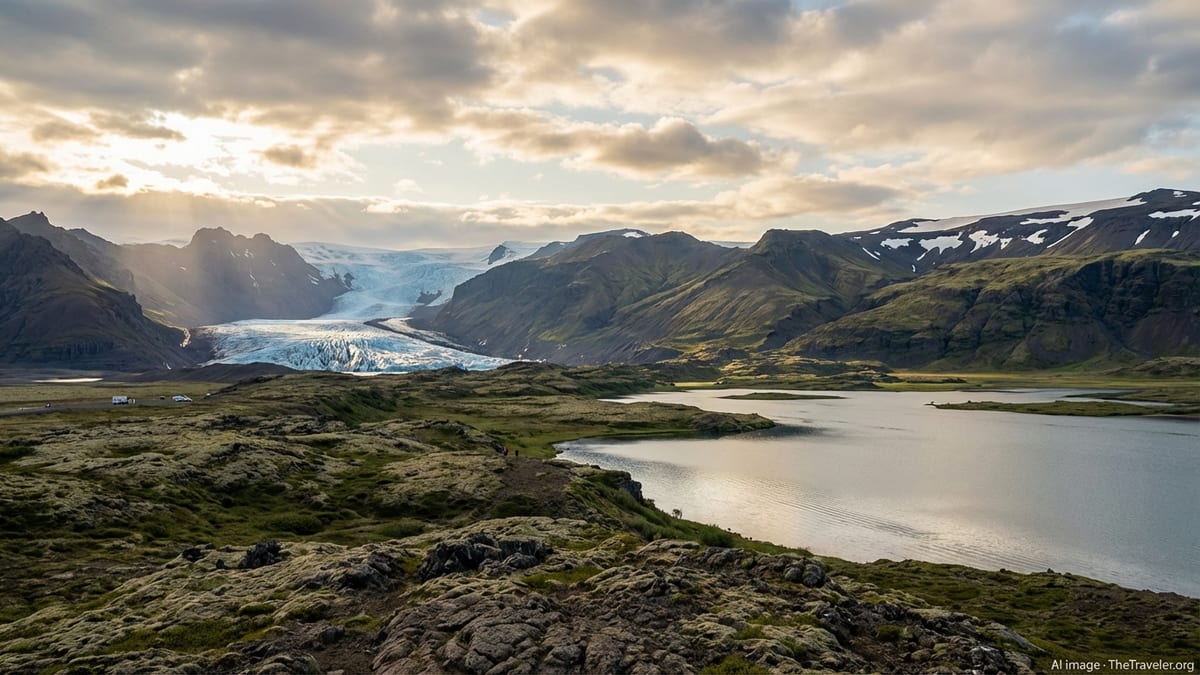
Vatnajökull National Park is defined by the massive Vatnajökull ice cap and its many outlet glaciers, which spill down into lowland plains, form glacier lagoons and carve deep valleys. Much of the park is highland plateau and glaciated terrain, with around 85 percent of the protected area classified as wilderness. Volcanoes lie under the ice, and past eruptions have left vast floodplains, lava fields and canyons that showcase the ongoing tug of war between volcanic fire and glacial ice.
One of the most famous features of this region is the chain of glacier lagoons along the south coast, including Jökulsárlón and nearby Fjallsárlón. Here, icebergs calve from the glacier fronts, drifting across still water before washing up as polished chunks of ice on black sand beaches. Inland, trails around Skaftafell lead to viewpoints over outlet glaciers and waterfalls framed by basalt columns, revealing how glaciers, rivers and volcanic eruptions have sculpted the landscape.
Thingvellir’s drama comes from the earth pulling apart. The park sits directly on the Mid Atlantic Ridge, where the North American and Eurasian tectonic plates are slowly moving away from each other. The result is a broad rift valley flanked by steep rock walls and cut by fissures. Visitors walk along Almannagjá, a canyon-like corridor, with cliffs on one side and views across Thingvallavatn, Iceland’s largest natural lake, on the other. The landscape feels intimate rather than vast, but the sense of standing inside a tectonic boundary is striking.
While Vatnajökull’s scale can dwarf you, Thingvellir feels more human-sized. Boardwalks and marked paths bring you close to waterfalls, fault lines and viewpoints without demanding advanced hiking skills. The lake and surrounding wetlands also support birdlife and a more gentle palette of mosses, grasses and low shrubs compared to the stark ice and rock of Vatnajökull’s higher elevations.
Accessibility, Infrastructure and Getting Around
Thingvellir is one of the most accessible destinations in Iceland. From Reykjavik, drivers follow Route 36 northeast for about 45 to 60 minutes, depending on conditions. The park is open around the clock throughout the year, and well maintained roads and parking lots serve the main viewpoints, trails, the visitor center and the Silfra snorkeling and diving area. While there is no public bus that runs directly into the park, a dense network of Golden Circle and Silfra tours makes it easy to visit without renting a car.
Entrance to Thingvellir is free, but parking in the main lots typically requires a per day fee for passenger cars, paid via machines or mobile apps. The fee is valid across designated lots on the same calendar day, which makes it easy to move your car between viewpoints. The visitor center keeps extended hours in summer and shorter hours in winter, offering exhibits, basic refreshments, maps and practical information.
Reaching Vatnajökull National Park requires more commitment. The park is spread across a large swath of eastern and southeastern Iceland, with key access points such as Skaftafell and Jökulsárlón located several hours’ drive from Reykjavik along Route 1, the Ring Road. In good summer conditions, travelers typically plan this as part of a multi day south coast itinerary rather than a quick excursion. In winter, limited daylight, snow and wind can slow travel significantly, and sections of road can close temporarily.
Within Vatnajökull, infrastructure varies by area. Skaftafell has a visitor center, campground, marked day hikes and relatively easy access for ordinary rental cars, making it one of the most approachable segments of the park. Glacier lagoons along the coast are reachable by paved roads and have parking areas and small visitor facilities. More remote areas, including some highland and interior zones, may require 4x4 vehicles, seasonal access roads or guided super jeep tours. Visitors should always check current road and trail conditions before setting out and be prepared for services to be sparse between major stops.
Activities and Experiences: From Ice Caves to Silfra Snorkeling
Vatnajökull is Iceland’s premier playground for glacier based activities. Licensed operators offer guided glacier hikes across crevasse fields, ice climbing for different skill levels and seasonal visits to natural ice caves that form in and under the ice cap. These caves are typically accessible in the colder months, when lower temperatures help stabilize their structure, and routes and cave locations can change from year to year as the glacier moves.
Along the south coast, boat and kayak tours on glacier lagoons allow visitors to get close to floating icebergs and the calving fronts of outlet glaciers. Some companies specialize in small group kayak tours on lagoons such as Fjallsárlón, where paddlers navigate between icebergs under the shadow of steep glacial walls. These activities are highly weather dependent, and departures may be canceled or rescheduled when wind or visibility deteriorate.
Thingvellir offers a different kind of adventure with its famous Silfra fissure, a water filled crack between tectonic plates known for exceptionally clear visibility and near constant water temperatures just above freezing. Guided snorkeling and diving tours allow participants to float or swim above the rocky walls of the fissure in drysuits, with underwater visibility often reaching tens of meters. All visits to Silfra are with licensed guides, who provide specialized gear and safety briefings, and year round tours are common, with schedules shifting seasonally.
Beyond Silfra, Thingvellir is ideal for gentler exploration. Short, well marked trails connect the main viewpoints, the waterfall Öxarárfoss, historic sites and lakeside picnic spots. Many visitors spend two to four hours walking between parking lots and viewpoints, stopping at the visitor center exhibits or joining a guided tour that explains the area’s geology and history. Compared to Vatnajökull’s physically demanding glacier excursions, Thingvellir’s activities are less strenuous and more accessible to families and casual walkers.
History, Culture and UNESCO Significance
Thingvellir holds a central place in Icelandic history. It was the site of the Althing, one of the world’s oldest parliaments, established in the late 10th century. For centuries, chieftains and representatives from across the island gathered here to resolve disputes, pass laws and conduct national business in an open air assembly. The Law Rock, where laws were proclaimed, remains a focal point of the park and an important symbol of Icelandic identity.
This long history of governance, combined with the visible tectonic landscape, led to Thingvellir’s designation as a UNESCO World Heritage Site for its cultural and natural value. Walking through the park, visitors encounter interpretive panels, historic church buildings and remnants of old farmsteads that help bring this past to life. For travelers interested in how Iceland’s landscape and society intersect, Thingvellir provides one of the clearest, most accessible narratives in the country.
Vatnajökull, inscribed on the UNESCO World Heritage List in 2019, is recognized primarily for its natural characteristics rather than human history. The park contains the entire Vatnajökull ice cap as it stood at the end of the 20th century, along with several active volcanic systems, glacial rivers and vast outwash plains. It spans a long section of divergent plate boundary and includes multiple central volcanoes and their associated fissure swarms, making it a globally significant site for studying interactions between volcanism and glaciation.
Cultural traces within Vatnajökull are more scattered and often linked to traditional farming, historical travel routes and stories of people living at the margins of the ice. Visitor centers and ranger programs emphasize geology, climate change and conservation, explaining how the glaciers are retreating and what that means for ecosystems, local communities and future generations. In this sense, Vatnajökull tells a forward looking story about environmental change on a large scale, while Thingvellir connects visitors to a deep and formative national past.
Seasons, Weather and When to Go
Both Vatnajökull and Thingvellir are open throughout the year, but the experience changes dramatically with the seasons. Summer brings relatively mild temperatures, long daylight hours and the widest range of accessible areas and tours. Roads and trails are generally easier to navigate, and visitor centers operate longer hours. This is the most popular time to visit either park, which means more people on the main paths at Thingvellir and busier departure times for glacier and lagoon tours at Vatnajökull.
Winter transforms both landscapes. At Thingvellir, snow and ice can make side trails slippery or temporarily hazardous, and visitors are strongly advised to wear traction devices on their shoes. The main paths between the visitor center and key viewpoints are usually maintained, and the park’s rift valley looks especially dramatic under snow, particularly at sunrise and sunset during the short days.
Winter at Vatnajökull can be magical but demanding. The ice cap, surrounding mountains and coastal plains are often snow covered, and storms can quickly reduce visibility or close roads. Some glacier and ice cave tours are designed specifically for the winter season, taking advantage of colder temperatures to safely access caves within the glacier. However, departures remain subject to daily weather and safety assessments, and flexibility in planning is important. Travelers should build extra time into itineraries and be prepared for sudden changes.
Shoulder seasons, roughly spring and autumn, can offer a balance of lighter crowds and relatively good access, though conditions are variable. For many visitors, the best approach is to choose activities rather than dates first. If glacier hiking, kayaking among icebergs or visiting natural ice caves is a priority, focusing on Vatnajökull and aligning with operators’ recommended seasons makes sense. If walking historic trails, snorkeling Silfra or fitting a national park into a short stopover is more important, Thingvellir can be rewarding in almost any month with appropriate clothing.
Who Each Park Suits Best
Thingvellir is an ideal choice for first time visitors with limited time in Iceland. Its proximity to Reykjavik and the international airport makes it a natural fit for short trips, stopovers or the first full day of a longer itinerary. The park suits travelers who want a blend of light walking, dramatic scenery and accessible history, as well as those who are not comfortable with more technical outdoor activities but still want to feel close to Iceland’s geological story.
Families, older travelers and those with mixed fitness levels often find Thingvellir easier to enjoy together. Boardwalks and graded paths lead to major viewpoints, while optional side trails provide slightly more challenge without committing to long backcountry hikes. Silfra snorkeling and diving are specialized adventures but remain structured and guided, making them more approachable than unguided outdoor activities elsewhere.
Vatnajökull, on the other hand, is best suited to travelers who are willing to dedicate more time and distance to their trip. It appeals strongly to photographers, hikers and adventure travelers interested in glaciers, ice caves and remote landscapes. Those comfortable driving long stretches of the Ring Road, dressing for harsh weather and joining guided glacier tours will find plenty to fill several days between Skaftafell, the glacier lagoons and surrounding attractions.
That said, Vatnajökull also offers accessible viewpoints that do not require extensive hiking, including roadside stops at glacier lagoons and short walks to waterfalls such as those near the Skaftafell area. Visitors who prefer to admire glaciers from a distance rather than walk on them can simply explore viewpoints, visitor centers and ranger led programs while more adventurous members of a group join guided hikes or ice cave tours.
The Takeaway
Choosing between Vatnajökull National Park and Thingvellir National Park ultimately comes down to matching your expectations and comfort level with the realities of Iceland’s landscapes. Thingvellir gives you a compact, deeply historic and easily accessed window into the island’s tectonic heart. Vatnajökull offers large scale wilderness, glaciers and volcanic terrain that reveal how Iceland is still being reshaped today.
If your time is short, your base is Reykjavik or you prefer manageable walks and structured tours, Thingvellir should be at the top of your list. You can stand between continents, trace the outlines of an ancient parliament and, if you wish, float along a tectonic fissure in crystal clear water, all within a day trip.
If you have several days, enjoy road trips and are drawn to dramatic ice and mountain scenery, Vatnajökull rewards the longer journey. Watching icebergs drift in a lagoon, stepping onto a glacier with a guide or peering into a blue ice cave can be among the most memorable experiences of a visit to Iceland.
For travelers with enough time, the best answer is not Vatnajökull or Thingvellir, but both. Starting with Thingvellir introduces Iceland’s geology and history in an accessible way, while continuing on to Vatnajökull along the south coast deepens your understanding of how powerful those forces of fire and ice can be when given room to shape an entire region.
FAQ
Q1. Can I visit both Vatnajökull and Thingvellir in one trip?
Yes, many travelers combine both parks on the same itinerary. Thingvellir works well as a day trip or first stop out of Reykjavik, while Vatnajökull fits into a multi day south coast or full Ring Road journey. Planning at least one extra day for potential weather disruptions, especially in winter, will make the combination more enjoyable.
Q2. Which park is better if I only have one full day in Iceland?
If you have just one day, Thingvellir is the more practical choice. It is less than an hour’s drive from Reykjavik, open year round and easy to pair with other Golden Circle attractions. You can walk through the rift valley, visit historic sites and, time permitting, book a Silfra snorkeling tour without spending most of your day in the car.
Q3. Do I need a guide to explore these parks?
You can walk the main trails in both parks without a guide, but certain activities require professional supervision. Glacier hikes, ice cave visits and technical routes in Vatnajökull should always be done with licensed guides, and all snorkeling and diving in Silfra at Thingvellir is only permitted through authorized operators. For general sightseeing and short hikes, self guiding is usually sufficient with proper preparation.
Q4. Which park is more suitable for families with young children?
Thingvellir is typically more family friendly, particularly for younger children. The paths are shorter and easier, the main sights are close to parking areas and you can tailor the visit to match attention spans and energy levels. Certain activities in Vatnajökull, such as basic glacier walks or lagoon boat tours, may also suit families, but they involve longer travel times and more variable weather.
Q5. What kind of clothing and gear should I bring?
For both parks, pack warm layers, a windproof and waterproof outer shell, sturdy hiking shoes or boots and accessories like hats and gloves. In winter or on icy trails, traction devices for your shoes are highly recommended. Specialized gear for glacier travel or Silfra snorkeling, such as crampons, helmets or drysuits, is typically provided by tour operators, but you should confirm exact requirements before booking.
Q6. Is it possible to visit Vatnajökull without doing glacier tours?
Yes, you can appreciate Vatnajökull’s landscapes without stepping onto the ice. Viewpoints near glacier lagoons, roadside stops along the Ring Road and short hikes around Skaftafell offer impressive views of the ice cap and outlet glaciers. Many visitors choose to mix guided glacier activities with more relaxed sightseeing to balance costs, energy and weather conditions.
Q7. How do costs generally compare between the two parks?
Entrance to both parks is free, but there are parking fees at Thingvellir and activity based costs in both areas. In Thingvellir, expenses are largely limited to parking, optional tours and any food or souvenirs you purchase. In Vatnajökull, glacier hikes, ice cave tours and boat or kayak excursions represent the major costs, and these can add up over several days. Budget conscious travelers can reduce expenses by focusing on self guided viewpoints while selectively booking key experiences.
Q8. Are there accommodation options inside or near the parks?
Around Thingvellir, most visitors base themselves in Reykjavik or in guesthouses and cabins along the Golden Circle. At Vatnajökull, accommodation is spread across several nearby towns and farm stays along the south coast, as well as campgrounds in areas like Skaftafell during the main season. Booking early for peak summer or popular winter dates is advisable, especially if you want to stay close to specific tour departure points.
Q9. How does climate change affect visiting Vatnajökull and Thingvellir?
In Vatnajökull, glaciers are retreating, which affects the shape and position of glacier fronts, lagoons and ice caves over time. Tour routes and viewpoints may change from year to year as guides adjust to evolving conditions. At Thingvellir, climate change is less visually dramatic in the short term, but it influences snow cover, lake conditions and seasonal accessibility. In both parks, visitor centers and guides often provide up to date information on how the landscape is changing.
Q10. If I am nervous about driving in Iceland, which park should I prioritize?
If winter driving or long distances worry you, Thingvellir is the safer choice to prioritize. The route from Reykjavik is relatively short, well traveled and widely covered by tours that include transport, removing the need to drive yourself. Reaching Vatnajökull usually involves several hours on the Ring Road through areas where weather can change quickly, so it is better suited to confident drivers or travelers who can join multi day guided trips.