

More news on this day
Las Vegas’ Harry Reid International Airport experienced unusually heavy disruption on April 11, as more than 250 flights were reported delayed and at least two were canceled, leaving travelers stranded across terminals and triggering knock-on effects throughout domestic and international networks.
Get the latest news straight to your inbox!
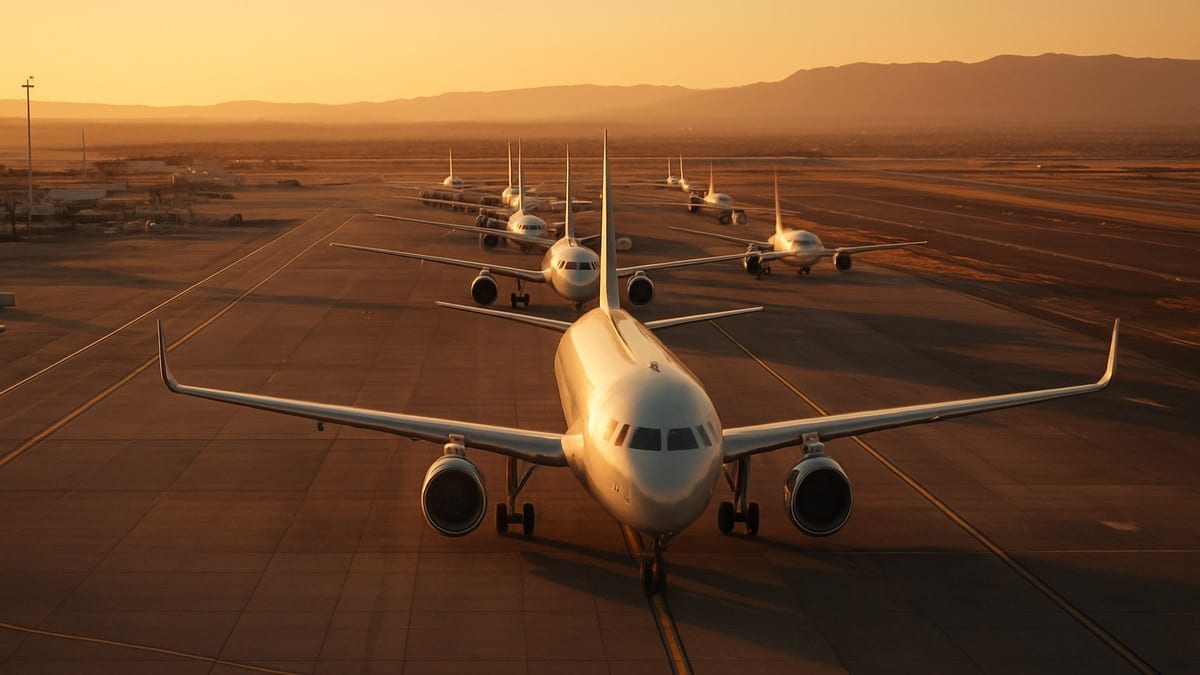
Unusually Heavy Day of Disruption at Harry Reid
Publicly available flight-tracking data and industry coverage for Saturday, April 11, indicate that Harry Reid International Airport in Las Vegas logged at least 251 delayed departures and arrivals, along with two cancellations. The disruption affected a wide range of airlines and routes, transforming what is typically a manageable weekend travel day into one of the busiest delay events at the airport so far this spring.
Reports show that the delays touched both domestic and international flights, with operations involving major carriers such as Delta Air Lines, United Airlines, American Airlines, Southwest and others all experiencing schedule changes. Passengers traveling to and from key hubs including Los Angeles, Denver, Chicago, New York and Toronto faced extended waits at gates and inside aircraft.
While Las Vegas often sees periods of congestion tied to major events, conferences or weather impacts elsewhere in the national air system, the volume of delays recorded on April 11 stands out against recent weekends. Data compiled for the date suggest that more than half of the airport’s scheduled movements were affected in some way, creating a ripple effect across connecting routes.
Despite the scale of disruption, available information points to relatively limited outright cancellations compared with the number of delayed flights, indicating that most services eventually operated but often well behind schedule.
Airlines and Routes Most Affected
According to coverage from aviation and travel outlets, the April 11 disruption at Harry Reid centered on some of the airport’s busiest domestic corridors. Services to and from large hubs such as Los Angeles International, Denver International, Chicago O’Hare and multiple New York area airports were heavily represented among the delayed departures and arrivals.
Additional reports highlight that several cross-border links were also affected, including flights connecting Las Vegas with Toronto and other Canadian gateways. Longer-haul domestic services to the Midwest and East Coast were particularly vulnerable to rolling knock-on delays once early flights departed late or arrived off-schedule.
The impact was spread across multiple airlines rather than confined to a single carrier. Publicly available timetables and delay logs show that legacy carriers, low-cost airlines and leisure-focused operators all experienced schedule disruption during the day. This pattern suggests system-wide congestion rather than an isolated operational problem affecting only one airline.
For many passengers, the result was a sequence of missed connections, rebookings and extended time in the terminal. Travel forums and social media posts referenced travelers waiting several hours beyond original departure times, with some recounting tight connections that were no longer viable once rolling delays accumulated through the afternoon and evening.
Weather, System Strain and Other Possible Factors
Local weather forecasts for Las Vegas on April 11 pointed to clear skies, mild temperatures and generally favorable flying conditions, reducing the likelihood that conditions over the city itself were the primary cause of disruption. Forecasts called for highs in the mid-70s Fahrenheit with low humidity and no major storm systems directly over southern Nevada.
Given the relatively benign local conditions, analysts are focusing on broader system factors frequently associated with widespread delays, including congestion at other major hubs, air traffic management constraints and operational pressures on airlines operating near capacity. Historical data for Harry Reid International and comparable airports show that even minor schedule disruptions at a handful of key hubs can quickly propagate throughout the network, especially on busy travel days.
Information published by the Federal Aviation Administration for the Las Vegas area on April 10 and 11 does not point to a prolonged ground stop at Harry Reid, but routine flow-control measures and spacing requirements in surrounding airspace can still slow the rate of arrivals and departures. When combined with high passenger volumes, tight aircraft turnarounds and crew scheduling limits, such measures can contribute to a spike in delays without necessarily triggering mass cancellations.
Local infrastructure and roadway conditions may also have played a background role for some travelers. Recent advisories about lane reductions and roadway work near airport terminals underscore how access challenges can compound stress for passengers already facing schedule uncertainty, even if those projects are not the underlying cause of flight delays.
Passenger Experience and Crowd Conditions
Travel commentary and online posts from April 11 describe crowded gate areas and busy concessions at Harry Reid as the day wore on. With hundreds of flights operating behind schedule, many passengers reported extended stays inside the terminal, waiting for updated departure times and gate changes. Some travelers chose to remain near their gates for hours to avoid missing boarding announcements that could occur with little warning once aircraft and crews became available.
Although Harry Reid has recently promoted tools that display estimated security checkpoint wait times, the April 11 disruption illustrates how flight delays can shift congestion from security lines to gate areas. Travelers whose flights were repeatedly pushed back reported more time searching for seating, power outlets and food options as the delays accumulated.
Despite the challenging conditions, publicly available accounts suggest that the airport continued to process departures and arrivals throughout the day, with operations adapting as aircraft rotated in and out of service. Many passengers ultimately reached their destinations the same day, albeit much later than planned, while others were rebooked onto later services or next-day flights when connections became unworkable.
The episode serves as a reminder that even on days with favorable local weather, passengers passing through busy hubs such as Las Vegas may encounter significant disruption when the broader air travel system comes under strain.
Advice for Travelers Heading Through Las Vegas
In light of the heavy delays recorded at Harry Reid on April 11, travel experts typically recommend that passengers treat such events as a cue to build more resilience into future itineraries. Public guidance from airlines and airport operators consistently encourages travelers to check flight status frequently on the day of travel, arrive early at the airport and allow extra time for connections, particularly when relying on tight schedules.
Booking longer layovers, especially when connecting between separate tickets or different airlines, can provide a buffer when delays stack up at busy hubs. For Las Vegas, where many visitors pair flights with time-sensitive events, shows or onward connections, that margin can be critical when large-scale disruption similar to April 11 occurs.
Travelers are also advised to monitor airline notifications closely and to make use of mobile apps or airport information displays for real-time updates. Rebooking options may be more flexible when disruptions are widespread, and passengers who act quickly after a delay is announced often have access to a wider range of alternative flights.
For those scheduled to pass through Harry Reid in the coming weeks, industry coverage of the April 11 disruption underscores the importance of planning ahead, staying informed and preparing for the possibility that even routine weekend trips may encounter unexpected delays during busy periods in the U.S. air travel system.