

More news on this day
Harry Reid International Airport in Las Vegas experienced a surge of disruption on April 11, with publicly available flight tracking data indicating more than 250 delays and multiple cancellations, snarling travel across North America.
Get the latest news straight to your inbox!
Heavy Disruption Across Domestic and International Networks
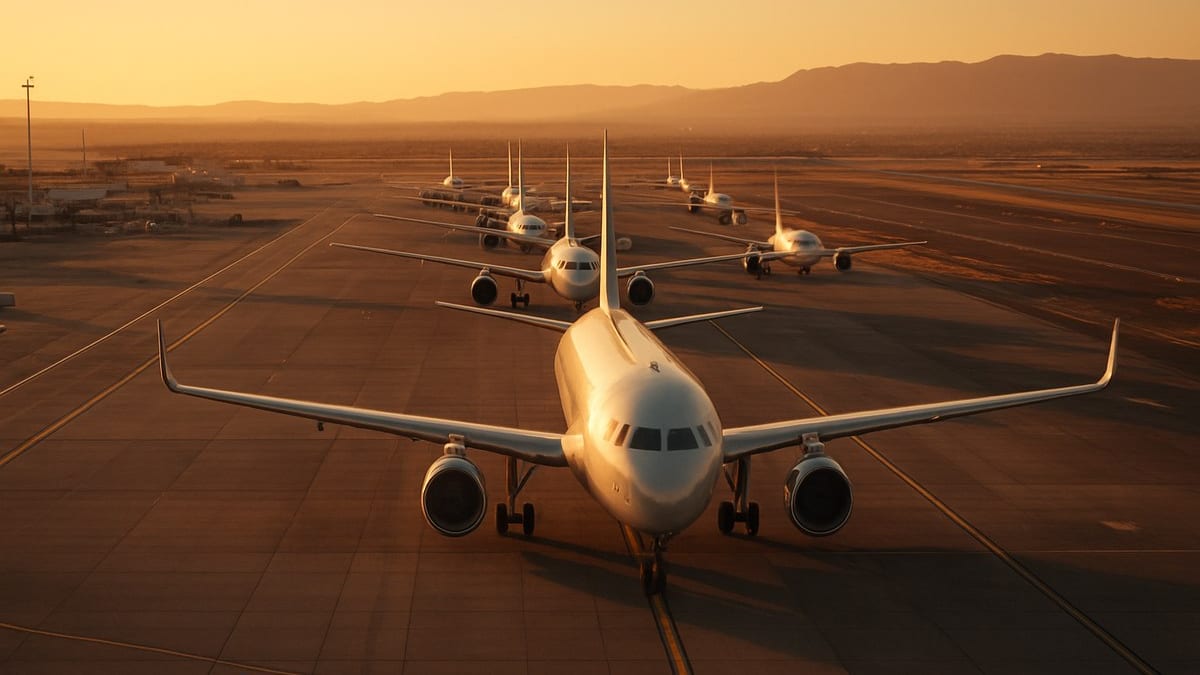
By early afternoon on April 11, flight status dashboards for Las Vegas showed an unusually heavy load of disruptions at Harry Reid International Airport, with more than 250 flights listed as delayed and at least two recorded as cancelled. Published coverage and aggregated tracking data describe a systemwide slowdown affecting both arrivals and departures, as aircraft inbound to Las Vegas struggled to secure on-time slots and outbound services waited on congested taxiways and gates.
The delays impacted a broad mix of carriers, including major U.S. airlines operating frequent shuttle routes to regional hubs, as well as international and transborder services linking Las Vegas with Canada and other destinations. Reports highlight ripple effects on routes to Los Angeles, Denver, Chicago, Toronto and New York, where aircraft and crews scheduled out of Las Vegas were forced into rolling knock-on delays.
While detailed, flight-by-flight causes are not made public, available operational summaries suggest that the strain on the airport’s schedule on April 11 approached levels more commonly seen during severe weather or significant infrastructure constraints. For many passengers, the result was hours spent in terminal seating areas and gate queues rather than at planned events or connecting flights.
Travel industry reporting indicates that the pattern of disruption developed over the course of the morning and persisted into the day, complicating operations for airlines that rely on quick turnarounds at Harry Reid. As the backlog grew, aircraft arriving late into Las Vegas were frequently unable to depart on schedule, intensifying the pressure on already crowded departure banks.
Flight Tracking Data Shows Scale of the Backlog
Commercial flight tracking services and aviation news outlets provided the clearest picture of the situation, compiling real-time status feeds into aggregate statistics for Las Vegas. By compiling arrivals and departures across airlines, these services recorded more than 250 delayed operations at Harry Reid on April 11, along with a smaller number of cancellations that further constrained available capacity.
These tallies reflect both flights running behind schedule and those subject to rolling departure time changes throughout the day. In some cases, aircraft that initially appeared set for modest delays became significantly late as congestion in the system worsened. For travelers, this translated into multiple schedule revisions, shifting boarding times and extended periods of uncertainty in the concourses.
Publicly accessible federal airport status pages for Las Vegas showed the airport operating under delay conditions, though they did not list individual flights or specific airline issues. Instead, they offered a high-level view of traffic management measures and general conditions, suggesting pressure on arrival and departure streams that aligned with the surge in delayed flights documented by private tracking platforms.
Aviation analysts note that Harry Reid International, which regularly handles more than 40 million passengers a year, typically operates with tight scheduling around peak periods tied to conventions, major sporting events and weekend leisure travel. Under those conditions, even modest disturbances to the schedule can accumulate over several banks of flights and grow into the kind of widespread disruption seen on April 11.
Weather, Traffic Management and Infrastructure in Focus
Available airport and weather information for the Las Vegas area on the night of April 10 and into April 11 pointed to relatively favorable conditions in terms of visibility and temperature, leading observers to focus more closely on traffic management and capacity constraints as likely contributors to the disruption. Federal aviation data for Harry Reid showed the facility operating under a delay designation, indicating that airspace flow programs or runway capacity balancing may have been in effect.
In recent years, Harry Reid has periodically appeared in regional planning documents and media reports as an example of an airport operating near its long-term capacity limits, particularly during peak demand seasons. Previous episodes have tied delay spikes to high winds, low cloud ceilings, dust events and localized airspace restrictions, any of which can reduce the effective arrival rate at the airport and force flights into holding patterns or ground delays at origin airports.
Separately, ongoing roadway and access improvements around the airport have been highlighted in local coverage, with lane reductions and overnight work near the terminals occasionally complicating the flow of vehicles. Although those projects are typically scheduled to avoid full closures, periods of heavy flight disruption can coincide with slower curbside operations and longer times to move passengers between parking, rideshare zones and terminal doors.
For airlines, such constraints translate directly into longer taxi times, slower gate turns and more complex crew scheduling, raising the risk that a localized back-up in Las Vegas can propagate through their wider network. The April 11 disruption illustrates how a single day of heavy delay at Harry Reid can reverberate across routes throughout the western United States and beyond.
Impact on Travelers and Airlines
The operational challenges at Harry Reid on April 11 were felt most acutely by travelers, many of whom encountered multi-hour waits, missed connections and abrupt itinerary changes. Social media posts and travel forum entries described crowded gate areas, long queues at customer service counters and difficulty rebooking onto alternative flights as airlines worked through the backlog.
Passengers heading to and from major hubs, including Los Angeles, Chicago, Denver and New York, were particularly exposed, as delays in Vegas affected tightly timed connections. Travelers bound for smaller markets via those hubs often faced the prospect of overnight stays or next-day departures when final legs of their journeys did not align with rescheduled arrival times.
Airlines, for their part, had to juggle aircraft rotations and crew duty limits in response to the disruption. Late-arriving aircraft into Las Vegas could not always be turned in time to preserve downstream schedules, and in some cases crews approached contractual or regulatory duty thresholds, forcing substitutions or cancellations. These operational pressures increase costs for carriers and can compress available spare capacity, especially on already busy weekends.
Consumer advocates note that high-profile delay events at major leisure gateways like Las Vegas can have an outsized effect on traveler confidence, encouraging passengers to build in longer connection times, purchase travel insurance or adjust their departure days in an effort to avoid peak congestion. The April 11 experience at Harry Reid is likely to feed into that calculus for visitors planning trips later in the spring and summer.
What Travelers Should Watch in the Days Ahead
In the wake of the April 11 disruptions, travel experts and aviation commentators are advising passengers using Harry Reid International to pay close attention to real-time information in the coming days. Many airlines and the airport itself now emphasize the use of mobile apps and online portals that provide current gate assignments, departure times and, in some cases, estimated security wait times.
Publicly available airport tools, including newly promoted security checkpoint time estimates, can help travelers plan their arrival at the terminal, though these figures remain subject to rapid change during irregular operations. Guidance from both the airport and airlines continues to favor arriving at least two hours before domestic departures and three hours before international flights, especially when traveling during busy morning and late afternoon windows.
For those connecting through Las Vegas, route planners recommend allowing extra buffer time between flights in the near term, given the potential for lingering schedule adjustments as airlines reposition aircraft and crews following the April 11 backlog. Travelers with inflexible connections, such as cruises, events or international links, may benefit from scheduling arrivals in Las Vegas a day early where practical.
Looking further ahead, regional aviation planning discussions continue to focus on long-term capacity solutions for southern Nevada, including proposals for a supplemental airport to ease pressure on Harry Reid during peak travel periods. While such projects remain years away, the heavy disruption experienced on April 11 underscores the sensitivity of Las Vegas air travel to any constraint on the airport’s tightly balanced daily schedule.