

More news on this day
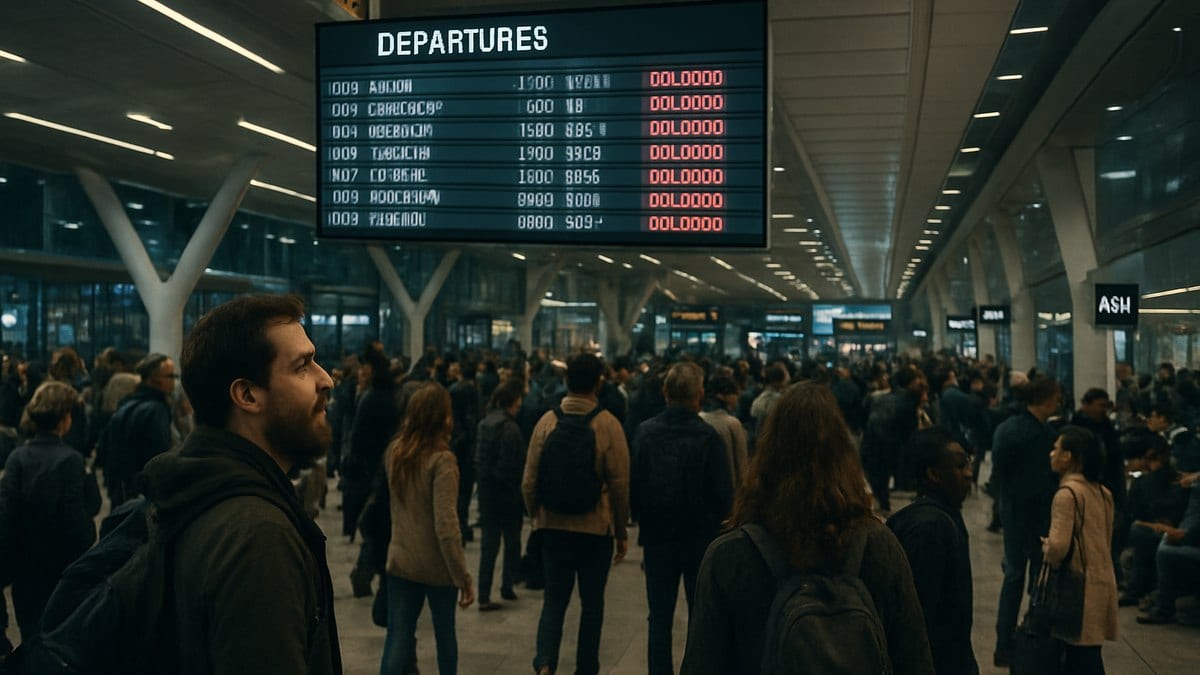
Las Vegas’ Harry Reid International Airport experienced significant disruption today as more than 250 flights were reported delayed and a small number canceled, stranding passengers across terminals and rippling disruption through major U.S. and Canadian routes.
Get the latest news straight to your inbox!
Unusual Volume of Disruptions at Las Vegas Hub
Publicly available aviation data and industry reports indicate that Harry Reid International Airport logged roughly 251 delayed flights and at least two cancellations over the course of the day, an elevated level of disruption for one of the country’s busiest leisure gateways. The pattern placed Las Vegas among the most affected U.S. airports in a wider wave of nationwide schedule problems.
Travel-focused outlets tracking live delay statistics describe hundreds of passengers stuck in departure lounges as rolling gate changes and shifting departure times clogged the airport’s tightly timed schedule. The disruption involved both domestic and international flights, underscoring Harry Reid’s role as a major connection point for visitors bound for and from the Las Vegas Strip.
These latest issues followed several days of heightened operational strain across the U.S. network, with mass delays and scattered cancellations at large hubs from Atlanta and Houston to New York and Los Angeles. In that broader context, the Las Vegas bottleneck added another pressure point for airlines already juggling tight crew schedules and congested airspace.
Data compiled by air travel analysts show that when an airport with Harry Reid’s traffic volume experiences such a spike in delays, knock-on effects typically spread to secondary airports linked by short-haul routes. That pattern appeared to be unfolding again, as flights to and from Las Vegas seeded further hold-ups at downline destinations.
Key Routes Affected Across North America
According to published coverage drawing on live flight-status feeds, disruptions at Harry Reid International stretched across many of the airport’s busiest corridors, including services to Los Angeles, Denver, Chicago, Toronto and multiple New York–area airports. These routes form the backbone of the city’s visitor pipeline, connecting casino resorts and convention traffic with major business and population centers.
Domestic flights bore much of the brunt, particularly short- and medium-haul services where a delay of even an hour can trigger a cascade of missed connections later in the day. Travelers heading to West Coast cities such as Los Angeles and Denver reported extended waits as rolling departure times pushed into the evening peak.
International connections also came under strain, with industry summaries noting delays on cross-border services to and from Canada. For long-haul travelers who rely on Las Vegas as a one-stop connection, even modest schedule slippages on feeder flights can jeopardize onward journeys, leading to missed departures and last-minute rebookings.
While airlines generally aimed to operate the bulk of their Las Vegas schedules, the sheer number of delayed departures reduced overall network resilience. With aircraft and crews arriving late into the city, turn times tightened and buffers that normally absorb routine congestion were quickly eroded.
Airlines and Passengers Scramble to Adapt
Public dashboards and third-party tracking platforms suggest that multiple major U.S. carriers were swept up in the Las Vegas disruption, including large network airlines and low-cost operators. Delays at Harry Reid added to ongoing operational challenges reported around the country, where carriers have faced a mix of weather pressures, air traffic constraints and high spring demand.
For passengers on the ground, the impact translated into long lines at service desks, busy phone lines and surging traffic on airline apps as travelers sought earlier alternatives or confirmed new connections. Travel sites monitoring the situation advised customers to rely on digital tools for rebooking, rather than waiting at crowded counters, where capacity to handle changes can be limited during peak disruption.
Observers tracking the day’s events noted that, in many cases, flights were still operating but at significantly revised times, turning what should have been quick hops into day-long odysseys. Families heading home from vacations, business travelers bound for Monday meetings and weekend visitors leaving the Strip all faced uncertainty over when they would actually depart.
Some travel analysts pointed to the broader pattern of rolling delays across the national system, arguing that Las Vegas’ experience reflects a fragile equilibrium where minor schedule shocks can quickly cascade. With aircraft utilization running high and little spare capacity, an airport-wide spike in delays can leave carriers and passengers with few easy options.
Operational Context and Recent Airport Changes
The disruption came as Harry Reid International continues to manage strong passenger volumes and ongoing operational adjustments. Airport traffic reports for recent years show sustained growth in arrivals and departures, reflecting Las Vegas’ position as both a major tourism magnet and a key connecting hub in the western United States.
In the days leading up to the latest delays, the airport introduced a new online feature displaying estimated TSA checkpoint wait times, according to local broadcast coverage. The tool is designed to help travelers better plan their arrival at the terminal and reduce last-minute congestion at security screening areas.
Despite tools intended to smooth passenger flow, periods of heavy flight disruption can still overwhelm terminal operations. When large numbers of flights depart later than scheduled, crowds tend to build in gate areas and along concourses, and airport concessions and seating can quickly reach capacity.
Historical data compiled by transportation agencies also show that Harry Reid, like many large U.S. airports, is vulnerable to weather systems and regional air traffic control constraints that may originate well outside Nevada. Even when conditions in Las Vegas are relatively stable, upstream storms or congestion at connecting hubs can manifest as delays on arriving and departing flights.
Guidance for Travelers Heading to Las Vegas
Travel experts reviewing the Las Vegas disruption emphasized familiar but critical advice for passengers scheduled to travel through Harry Reid International in the near term. The most consistent recommendation is to monitor flight status closely through airline apps or official channels, rather than relying solely on original confirmation emails or printed itineraries.
Given the elevated volume of delays, travelers are being encouraged to arrive at the airport earlier than minimum suggested times, particularly during morning and evening peaks when queues at check in, bag drop and security can lengthen quickly. The recently introduced online security wait-time information can offer additional guidance on how much buffer to build into departure plans.
Passengers with tight connections, especially those linking from domestic flights in Las Vegas to international departures, may wish to explore earlier feeder options where possible. Travel planners note that longer layovers can provide insurance against cascading delays on days when the network is under strain.
As airlines work to realign aircraft and crews after the latest wave of disruptions, conditions at Harry Reid International may remain uneven in the short term. For now, publicly available information suggests that flexibility, vigilance and extra time at the airport are the most effective tools for travelers seeking to navigate the ongoing Vegas flight chaos.