

More news on this day
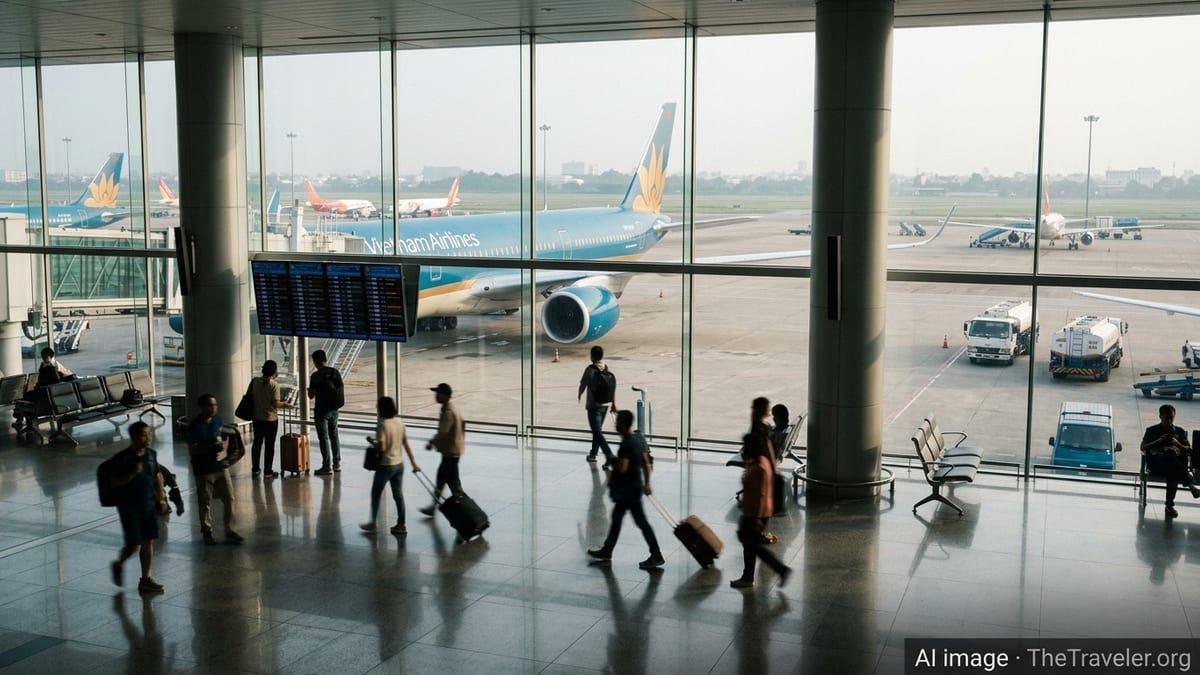
Vietnam has become the latest Southeast Asian country to feel the impact of a widening jet fuel squeeze, with Vietnam Airlines confirming cuts of 23 weekly flights as regional carriers struggle to secure supplies amid soaring prices tied to the escalating crisis in the Middle East.
Get the latest news straight to your inbox!
How the Middle East Crisis Triggered a Jet Fuel Squeeze
The current disruption traces back to the rapidly intensifying conflict centered on the Middle East, where attacks on shipping and energy infrastructure have pushed oil markets into a new period of volatility. Publicly available information on the economic impact of the Iran war and related tensions in the Strait of Hormuz indicates that air corridors across the region have been restricted and refineries are grappling with reduced access to suitable crude, driving up the cost of kerosene-based products such as jet fuel.
Analysts tracking global energy markets note that Brent crude has climbed sharply in recent weeks, and benchmark prices for Jet A1 have followed. For airlines that typically operate on thin margins, even modest increases in fuel prices can quickly erode profitability. The current spike is steeper and more abrupt than many carriers had budgeted for in their 2026 schedules, forcing rapid operational adjustments.
In Asia, the knock-on effect is particularly strong because many carriers rely on refineries in and around the Middle East and key export hubs in East and Southeast Asia. As refiners and governments move to protect domestic supply, export volumes of aviation fuel have tightened, especially on routes supplying Vietnam, Thailand, Indonesia, Malaysia and the Philippines.
Industry reports suggest that the resulting combination of higher prices, constrained supply and longer flight paths to avoid conflict zones has raised fuel costs per flight hour and increased the risk of localized shortages at busy hubs during peak travel periods.
Vietnam Airlines Cuts 23 Weekly Flights as Pressure Mounts
Against this backdrop, Vietnam Airlines has begun trimming its schedule, with 23 weekly flights removed from its network as a precautionary response to the tightening jet fuel market. Publicly available scheduling data and local media coverage indicate that the cuts are concentrated on routes where alternative frequencies or competitor services exist, allowing the flag carrier to preserve core connectivity while reducing overall fuel burn.
The reductions are understood to affect a mix of domestic and regional services, including some higher-frequency trunk routes between major Vietnamese cities and neighboring hubs. While no full route withdrawals have been widely reported at this stage, tourism and trade stakeholders are monitoring the situation closely, wary that a prolonged fuel crunch could force deeper cuts.
Vietnam’s civil aviation regulators had already warned in early March that there was a tangible risk of jet fuel shortages from April onward, after neighboring suppliers moved to restrict exports. The latest schedule changes from Vietnam Airlines suggest that these warnings are now translating into concrete operational decisions, as the carrier seeks to balance fuel availability, financial sustainability and service reliability.
Other Vietnamese airlines are also reviewing their networks, and travelers are beginning to report isolated cancellations and rebookings on flights scheduled for April and beyond. For now, the adjustments remain targeted rather than systemic, but the pace of change underscores how fluid the situation is.
Regional Ripple Effect: Thailand, Indonesia, Malaysia and the Philippines
Vietnam’s move comes as part of a broader regional pattern in which carriers in Thailand, Indonesia, Malaysia, the Philippines and other Southeast Asian markets are reassessing capacity in response to the jet fuel crunch. Aviation and business media across the region have documented a mix of measures, from schedule reductions and frequency cuts to temporary upgauging or downgauging of aircraft types to optimize fuel use.
In Thailand, national and low-cost carriers have been grappling with higher fuel surcharges and have signaled the possibility of trimming non-essential frequencies on less profitable routes. In Indonesia and Malaysia, where domestic networks span large archipelagos, airlines are particularly sensitive to any signs of supply disruption at secondary airports and have been consolidating flights at key hubs to ensure more predictable refueling options.
The Philippines, which relies heavily on air transport for both tourism and labor mobility, is also being affected by higher fuel surcharges and tighter margins on international routes to the Middle East and Europe. Local reports have highlighted concerns about the sustainability of long-haul operations if jet fuel prices remain elevated and if detours around conflict zones continue to extend flight times.
Across the region, airlines are increasingly coordinating with airport operators and fuel suppliers to prioritize core routes and maintain minimum levels of connectivity, even as they hold back from adding new capacity for the upcoming peak seasons. This coordinated retrenchment is helping stabilize operations in the short term but is likely to translate into higher fares and reduced choice for travelers.
What Travelers to and within Vietnam Need to Know Now
For passengers planning trips to or within Vietnam over the coming months, the most immediate impact is the potential for schedule changes at relatively short notice. Airlines are revising timetables as fuel availability and pricing information changes, which means that a flight confirmed weeks ago may be rescheduled, retimed or in some cases canceled as departure dates draw closer.
Travel industry advisories and consumer reports suggest that passengers should pay closer attention than usual to airline notifications, manage bookings through official airline channels or reputable agents, and build in more flexibility around tight connections. Travelers connecting through hubs such as Hanoi, Ho Chi Minh City, Bangkok or Kuala Lumpur may wish to allow longer layovers than they might have chosen in previous years, especially if their journey involves carriers that are known to be revising capacity.
Domestic travelers within Vietnam are likely to feel the impact most strongly on popular leisure routes and off-peak flights, where airlines have more scope to consolidate demand onto fewer departures. In practice, this could mean reduced frequency on routes linking major cities with beach destinations and heritage towns, particularly outside national holidays and major festivals.
International visitors should also anticipate that some promotional fares may be limited, as airlines factor higher fuel costs and supply risk into their pricing strategies. However, a number of carriers continue to compete aggressively on key trunk routes into Vietnam, which may help moderate fare increases on the busiest corridors.
Practical Planning Tips as the Jet Fuel Situation Evolves
With the situation evolving week by week, travelers can take several practical steps to reduce the risk of disruption. Many airlines operating in and out of Vietnam now allow fee-free date changes or offer flexible conditions on selected fare types, reflecting the uncertain operating environment. Choosing such fares, even at a slight premium, may provide valuable flexibility if schedules shift.
Travelers are also increasingly encouraged by consumer advocates to purchase comprehensive travel insurance that specifically covers schedule disruptions, cancellations and extended delays related to operational issues. Policy details vary widely, so careful reading of coverage terms remains essential, particularly regarding what constitutes a covered cause for cancellation.
Those planning complex itineraries that combine multiple countries in Southeast Asia may benefit from routing through larger regional hubs with diversified fuel supply lines and multiple carrier options. In some cases, flying into a major hub and then using rail or road transport for shorter segments can reduce exposure to last-minute flight changes.
Finally, tourism boards and local businesses in Vietnam and neighboring countries are emphasizing that, despite the aviation headwinds, destinations remain open and eager to welcome visitors. While air travel may require more careful planning in the months ahead, hotels, tours and attractions across the region continue to operate, and many are offering added flexibility to reassure visitors amid broader uncertainty over fuel supplies and geopolitical tensions.