

More news on this day
Viking Neptune has skipped a planned call at Lerwick in Scotland’s Shetland Islands after reports of rough seas and biting wind chill across the Northern Isles, leaving cruise passengers facing an unplanned sea day and raising fresh questions about how volatile spring weather can reshape British Isles itineraries at short notice.
Get the latest news straight to your inbox!
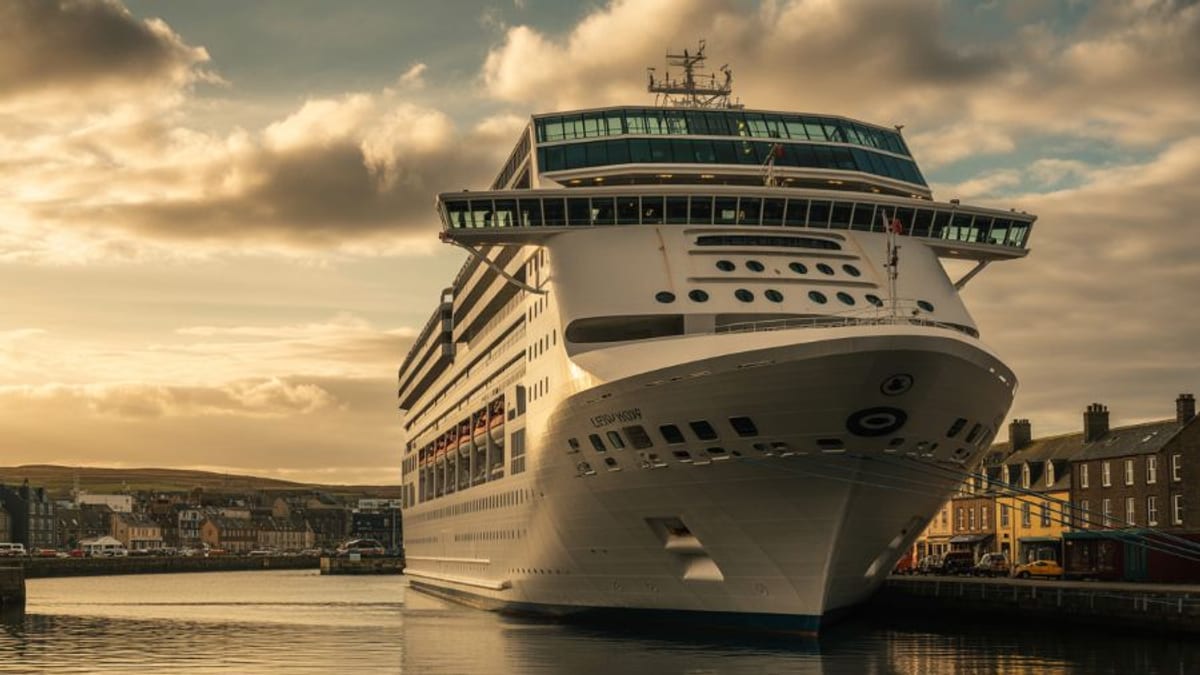
Image by International Cruise News: Latest Cruise Line & Cruise Ship News
Weather Turbulence Hits Early-Season British Isles Cruises
The decision to bypass Lerwick comes as a cold, unsettled pattern grips much of the United Kingdom, with recent meteorological coverage highlighting strong winds and low “feels like” temperatures across northern Scotland and the islands. Public forecasts in late March point to conditions that can make tender operations particularly challenging around exposed ports such as Shetland.
Spring calls to Lerwick typically fall outside the calmer summer window, and cruise-planning information shows Viking Neptune scheduled on British Isles routes that include Shetland along with other Scottish and English ports. These voyages rely on relatively narrow weather windows, and even modest deterioration in sea state can be enough to trigger last-minute adjustments when passenger safety and port logistics are weighed.
The current pattern underscores how quickly the North Sea can turn from manageable to marginal in late March and early April. While air temperatures may sit only slightly below seasonal averages, wind strength and direction, combined with swell and tidal conditions, can create operating environments that cruise ships and local port operators treat with increased caution.
Industry examples from recent seasons show that operators are becoming more conservative about exposed anchorages and tender ports during shoulder months. Reports of disrupted calls around the British Isles and North Atlantic suggest that climate variability and more frequent bursts of severe weather are feeding into itinerary planning and day-to-day decisions.
Why Lerwick Is So Vulnerable to Last-Minute Changes
Lerwick is a marquee name on many British Isles and North Atlantic itineraries, but its remote location and port configuration make it especially weather-sensitive. Sailing schedules and port guides describe Lerwick as a tender-intensive destination for many ships, with larger vessels anchoring off and using smaller craft to ferry passengers ashore when conditions allow.
Even when skies are clear, long-period swell rolling in from the North Atlantic and the North Sea can cause significant motion at tender platforms. In strong winds, that movement increases, making it harder to align gangways and keep small boats safely alongside ship or pier. Previous passenger accounts from other cruise lines calling at Lerwick illustrate how rough conditions can turn tender boarding into a slow, stop-start operation or lead to sudden suspensions.
Port information and cruise-planning materials stress that access can be “weather permitting,” a phrase that effectively builds the possibility of a missed call into any Lerwick visit. When wind, swell and tidal factors combine unfavorably, cruise lines frequently choose to forego the stop rather than risk prolonged delays, minor damage during tender operations or injuries on moving platforms.
For Viking Neptune’s guests, the decision to skip Lerwick mirrors a broader pattern in northern cruising, where remote, high-latitude ports trade remarkable scenery and cultural depth for heightened operational risk. The port remains a key draw, but travelers are increasingly advised to view it as a highlight that can never be fully guaranteed.
What Affected Passengers Can Expect Onboard
When a port such as Lerwick is dropped, ships generally shift into an at-sea program that expands daytime and evening activities. Publicly available information on Viking’s ocean product highlights enrichment lectures, spa facilities, indoor pools and observation lounges designed to keep passengers comfortable when weather keeps the ship underway rather than in port.
In many cases, onboard teams rework daily schedules to add extra talks, tastings, live music and cultural programming. For a ship like Viking Neptune, which emphasizes destination-focused content, this can include enhanced lectures on Scottish and Norse history, Shetland wildlife or North Sea maritime routes, helping guests connect with the region even without setting foot ashore.
Dining operations typically adjust as well when a port day turns into a sea day, with longer service hours and additional casual options. Some passengers may find the quieter pace a welcome respite, especially in rougher seas where outdoor excursions would be challenging even if tendering were possible.
Financially, cruise contracts and booking conditions usually classify missed ports related to weather as force majeure events, with no automatic entitlement to compensation for the lost destination. However, onboard credits or small goodwill gestures sometimes appear on a discretionary basis, and affected guests can review their specific fare terms once home if they have further questions.
Implications for Future Lerwick and North Sea Sailings
The decision affecting Viking Neptune highlights how volatile conditions in and around the North Sea are shaping cruise strategies for 2026 and beyond. Port schedules for Lerwick show a busy slate of calls from multiple lines during the coming season, underscoring the town’s importance as a gateway to Shetland’s landscapes and wildlife despite its susceptibility to weather-related disruption.
Cruise-ship brochures and port schedules increasingly flag tender-only destinations and emphasize the role of marine conditions in determining access. Some itineraries now balance exposed northern calls such as Lerwick with more sheltered alternatives, allowing operators to pivot if forecasts for the Northern Isles deteriorate.
Within Scotland, there is also an ongoing policy discussion about the broader cruise sector, including how local communities engage with visiting ships and how port infrastructure can evolve. While those debates focus mainly on visitor levies and shore-side investment, they intersect with the operational reality that harsh weather already constrains the number of reliable cruise days in remote island ports.
For now, Lerwick remains a high-impact but inherently conditional stop. Each weather-related cancellation feeds into a feedback loop of data, as cruise lines analyze wind patterns, wave heights and passenger feedback to refine future schedules and build more resilient itineraries across the northern seas.
Practical Advice for Tourists Booked on Viking Neptune
Travelers scheduled to sail on Viking Neptune in the coming weeks and months are advised to prepare for the possibility that Lerwick and other exposed northern ports may be subject to last-minute changes. Trip planners recommend treating all tender ports as “aspirational,” especially in late winter and early spring when systems crossing the North Atlantic can intensify quickly.
For those keen on Shetland experiences, it can help to book ship-run excursions rather than independent arrangements at weather-sensitive ports. When the ship misses a stop, line-operated tours are cancelled and refunded automatically, whereas third-party tours may involve more complex refund processes or require separate travel insurance claims.
Packing strategies matter as well. Given recent reports of biting wind chill and unsettled conditions across the Northern Isles, guests benefit from layering options, waterproof outerwear and non-slip footwear suitable for wet decks and moving gangways. Even when a call goes ahead, sea conditions on approach and while tendering can be brisk and uncomfortable without proper clothing.
Finally, passengers may want to monitor public marine and weather summaries for the North Sea and Shetland region in the days before departure. While itinerary decisions rest solely with the cruise line, understanding the broader weather setup can help set expectations and reduce the shock if a headline port like Lerwick disappears from the daily program at short notice.