

More news on this day
Virgin Australia is set to broaden its pioneering Pets in Cabin service beyond Queensland leisure routes, confirming plans to keep the program running on eligible domestic flights and to introduce new pet-friendly services to Adelaide and Launceston later this year.
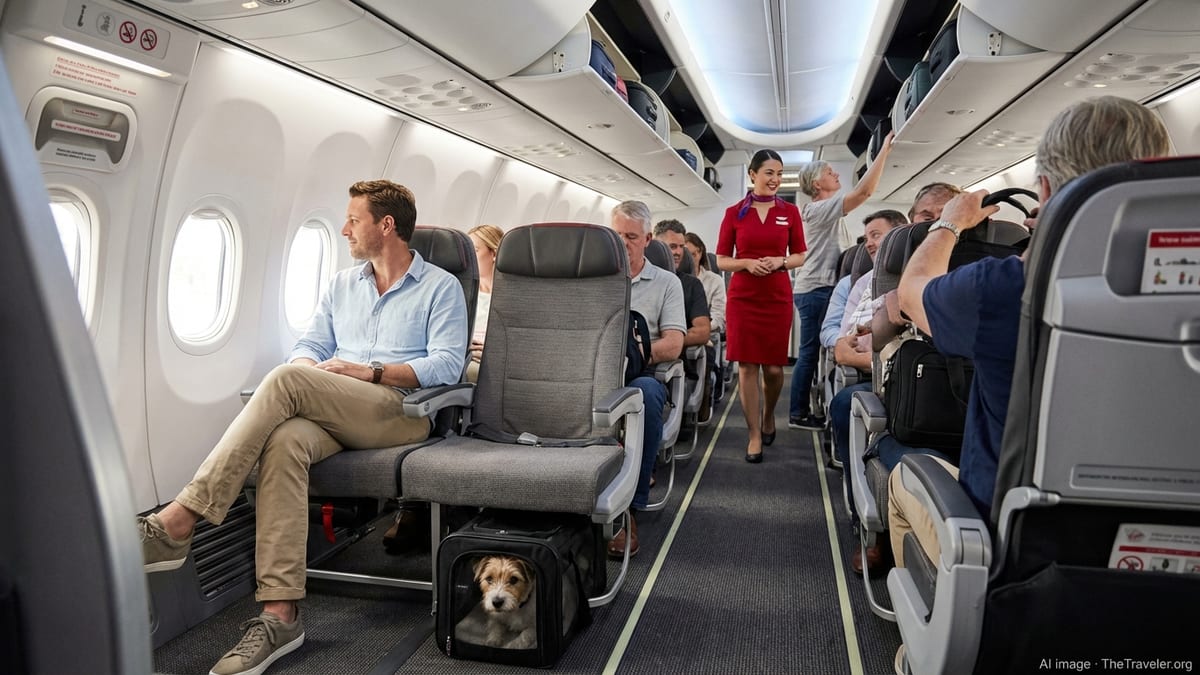
Pet-Friendly Flying Moves Beyond the Trial Phase
Virgin Australia confirmed this week that its Pets in Cabin service, first launched as a limited trial in October 2025, is now intended to become a permanent feature on eligible domestic routes, subject to ongoing airport approvals. The decision follows what the airline describes as extraordinary demand from pet owners eager to keep their animals close during flights rather than checking them in as cargo.
The service currently operates on a small network of routes linking Melbourne with the Gold Coast and Sunshine Coast. These flights remain under a formal trial arrangement but have been extended for sale through 30 June 2026 while the airline finalises longer-term plans. Virgin Australia executives say the strong response has validated early research that suggested many Australians would fly more often if they could bring small pets into the cabin.
As part of the expansion plan, the carrier has signalled that select services to and from Adelaide and Launceston will be added to the Pets in Cabin network after the Easter holiday period, pending final sign-off from local airport authorities. The exact start dates and flight numbers have yet to be announced, but the move will give pet owners in South Australia and Tasmania new options to travel with their animals on popular domestic routes.
From First Flights to the 1,000th Furry Passenger
When Virgin Australia’s first Pets in Cabin flight took off from Melbourne to the Gold Coast in mid-October 2025, it marked a first for Australian domestic aviation. Until then, pets other than assistance animals had been limited to the aircraft hold, even on short-haul leisure routes. The airline initially framed the service as a three-and-a-half-month trial focused on two high-demand holiday corridors linking Melbourne with the Gold Coast and Sunshine Coast.
Passenger response was swift. Bookings surged over the peak Christmas and summer holiday period, with more than 300 dogs and cats flying in the cabin in just a few weeks. The airline reports that overall demand has continued to exceed internal forecasts, prompting both the extension of the trial into mid-2026 and this week’s commitment to maintain the service on an ongoing basis.
Virgin Australia expects to carry its 1,000th pet in the cabin by the end of February, a milestone that underscores the program’s rapid growth in less than five months of operation. Executives say feedback from both pet owners and passengers travelling without animals has generally been positive, with many travellers describing the option as a “game changer” for planning holidays and family visits.
How the Pets in Cabin Service Works
The Pets in Cabin program is designed for small dogs and cats that can be safely stowed under the seat in front of their owner. Animals must travel in an approved soft-sided, leak-proof carrier no larger than 44 centimetres long, 26 centimetres wide and 28 centimetres high, with a maximum combined weight of 8 kilograms including the pet. Absorbent pads are required inside the carrier, and pets must remain inside it for the entire journey.
Virgin Australia limits each participating flight to four pets, seated only in designated window seats across specified rows to manage space, safety and allergy considerations. The airline notes that its aircraft are equipped with hospital-grade HEPA filtration, and that guests with allergies can request alternative seating away from the pet-friendly section at no extra cost.
The service is available for an additional fee on top of the passenger’s fare, with prices previously advertised from around $149 per pet, per sector. Bookings must be made through the airline’s contact centre so that staff can confirm eligibility, run through health and documentation requirements and ensure that each flight stays within its strict pet limits.
Airports Prepare for a More Pet-Inclusive Future
The planned extension of Pets in Cabin flights to Adelaide and Launceston reflects growing interest among airports in catering to pet-inclusive travel. Airport operators at Melbourne, the Gold Coast and the Sunshine Coast have already invested in procedures and facilities such as outdoor relief areas and clear wayfinding to help passengers move through terminals with animals in carriers.
Executives at these airports have described the initiative as a valuable addition to their domestic offering, particularly on leisure-heavy routes where families and couples often prefer to bring pets rather than arrange boarding. Tourism leaders also see potential economic benefits, arguing that easier pet travel can encourage longer stays and repeat visits as travellers feel less constrained by the logistics of leaving animals at home.
For Adelaide and Launceston, the introduction of Pets in Cabin flights will require coordinated work between airport teams, regulators and Virgin Australia to finalise operating procedures. The airline has signalled that it is also in discussions with other domestic airports about joining the network in future, with the goal of rolling out pet-friendly flights more widely across its Australian domestic schedule.
Australia Joins a Global Shift Toward Pet-Inclusive Travel
With the expansion of Pets in Cabin services, Virgin Australia is positioning itself alongside a growing number of international carriers that allow small animals to travel in the cabin on certain routes. Similar policies have been in place for years in parts of North America and Europe, where pet-inclusive travel has become a standard expectation for many domestic passengers.
In the Australian context, where pet ownership rates are among the highest in the world, the airline’s move responds to a sizable market of travellers who see dogs and cats as part of the family. Virgin Australia has said that many customers report taking additional trips, or choosing the airline over competitors, because of the option to keep pets close by during short- to medium-haul flights.
As the network widens to include Adelaide, Launceston and potentially more cities, the Pets in Cabin program is set to test how far Australians are willing to embrace a new kind of flying companion, and how effectively airlines and airports can balance animal welfare, passenger comfort and operational complexity in the busy domestic skies.