

Rising above Winnipeg’s historic Forks district, the Canadian Museum for Human Rights is as much an emotional journey as it is an architectural landmark. With multi‑level galleries, powerful storytelling, and extensive accessibility features, a little advance planning can make the difference between a rushed walk‑through and a visit that feels thoughtful, grounded, and deeply memorable.
Understanding the Museum and Planning Your Timing
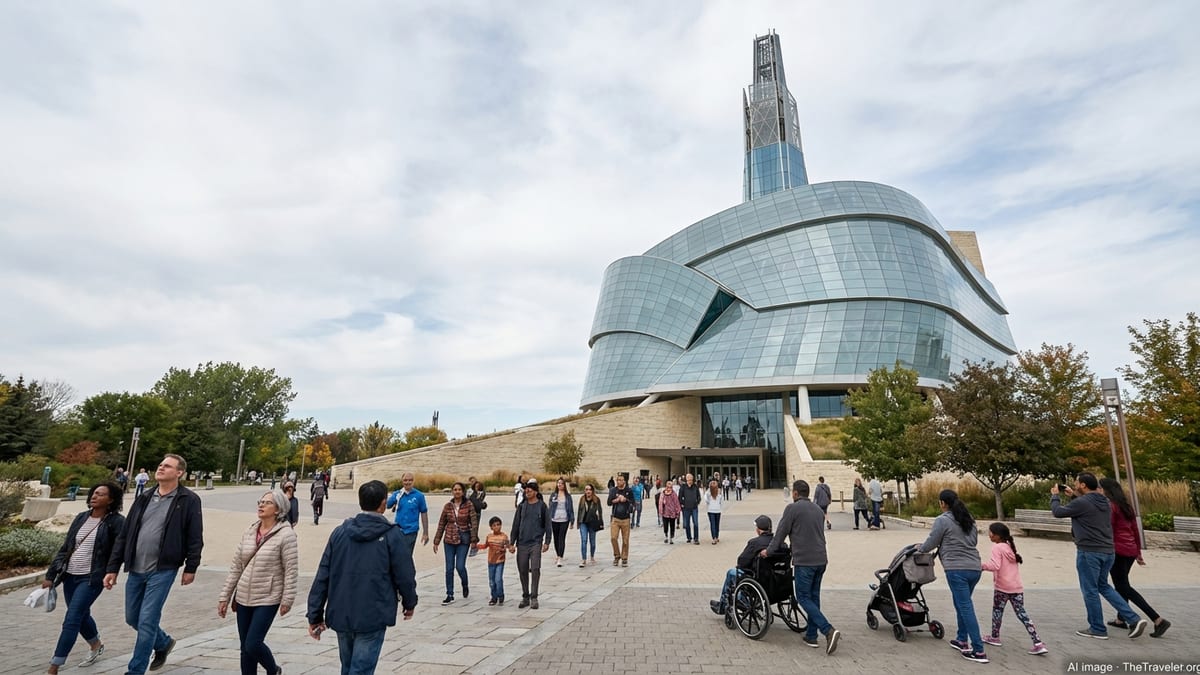
The Canadian Museum for Human Rights is a national museum dedicated to exploring human rights with a strong, but not exclusive, focus on Canada. Located at 85 Israel Asper Way in Winnipeg’s Forks area, the building’s striking glass tower and criss‑crossing alabaster ramps are designed to symbolize a journey from darkness toward light. Inside, the experience unfolds over multiple levels, culminating in the Israel Asper Tower of Hope, which offers sweeping views of downtown Winnipeg and the confluence of the Red and Assiniboine Rivers.
Before you go, check the museum’s official website or contact visitor services for the latest information on opening hours, ticket prices, and any special exhibitions or closures. Hours can vary by season, day of the week, and holidays, and there may be occasional changes for events, maintenance, or school programs. Planning your visit around quieter times, such as weekday mornings outside school holidays, often means more space and time to reflect in the galleries.
Allow more time than you think you will need. Many visitors underestimate the emotional and intellectual depth of the content and find that a quick two‑hour stop is not enough. A comfortable visit typically takes three to four hours, including time for breaks, a visit to the Garden of Contemplation, and a trip up the Tower of Hope. If you are keen to read more in‑depth panels or watch full video pieces, building in a half‑day is even better.
Consider the time of year and weather, especially if you are combining the museum with other activities at The Forks or nearby outdoor attractions. Winnipeg’s winters can be extremely cold, and summers can be hot and sunny. Factor in extra time for moving between transit stops, parking, and the building itself, as well as for checking coats and bags before you begin your gallery journey.
Tickets, Entry, and Making the Most of Museum Services
For a smooth start, it is wise to purchase admission in advance when possible. The museum provides online ticketing for specific days and times, which helps manage visitor flow and reduce lineups at the ticket desk. If same‑day online tickets appear limited or sold out, it can still be worth calling or checking directly with the museum, as on‑site availability may differ from what you see online.
When budgeting, remember that entry fees may vary by age, student status, and special categories such as seniors or families. The museum periodically offers free or reduced admission events, especially connected to key dates like Human Rights Day, National Indigenous Peoples Day, or other commemorative occasions. If your travel dates are flexible, aligning your visit with such days can add both savings and a rich program of talks or performances.
On arrival, use the main entrance on Israel Asper Way or the designated accessible drop‑off entrance if you are coming by taxi, rideshare, or with someone who has mobility needs. Inside, the ground floor houses the ticketing and information desk, coat check, gift shop, and a restaurant or café. This is the place to pick up maps, inquire about daily tours, and ask staff for current recommendations based on how much time you have.
Do not hesitate to speak with Visitor Services about your interests. Whether you are particularly drawn to Indigenous rights, international law, or contemporary activism, staff can suggest a route or highlight exhibits that might resonate most. If guided tours are offered during your visit, joining one early can give you helpful context and a framework for exploring at your own pace afterward.
Navigating the Galleries and Pacing Your Experience
The museum’s galleries are organized as a rising path, connected by dramatic backlit alabaster ramps that wind upward through the building. This layout is part of the storytelling: you begin in darker spaces focused on historical injustices and gradually move toward galleries that emphasize resilience, reconciliation, and hope. Following this suggested progression from the lower levels upward usually provides the most coherent narrative experience.
Take your time on the ramps and at transitions between galleries. These pauses are designed as visual and emotional breathing spaces. Natural light filters in as you ascend, and the changing views of the interior architecture and the city outside help you process what you have just seen. If you are visiting with others, these in‑between areas can be good places to talk quietly or simply sit for a moment before entering the next gallery.
Inside the galleries, you will encounter a mix of artifacts, personal stories, interactive media, and large‑scale audio‑visual installations. Many exhibits offer multiple layers of content: concise text for quick reading, deeper panels for those who want detail, and multimedia stations for immersive storytelling. Decide early how you prefer to engage. If you are a careful reader, you may want to focus on fewer exhibits rather than trying to cover everything superficially.
Remember that it is acceptable not to see everything in one visit. The museum is designed for repeat visits and for visitors with varied interests and time constraints. Prioritize galleries that connect with themes you care about, and do not feel guilty about moving more quickly through areas that are less central to your interests. Taking control of your pace will help prevent fatigue and ensure that the exhibits you do spend time with have a deeper impact.
Accessibility, Comfort, and Inclusive Design
The Canadian Museum for Human Rights was conceived as a global example of inclusive design, with accessibility woven into nearly every aspect of the building and visitor experience. All main entrances are accessible to people using wheelchairs, mobility aids, or strollers, and there is an accessible drop‑off area with designated parking spots along Israel Asper Way. Inside, elevators and a network of gently inclined ramps connect all gallery levels, with resting spots at regular intervals.
A range of mobility aids is available from the museum, often at no cost aside from leaving ID. These include manual wheelchairs, mobility scooters, and foldable cane seats. Because availability is limited, pre‑booking by phone or email is recommended if you know you will need a particular device. For many visitors, borrowing a cane seat or wheelchair, even if they do not use one every day, makes a big difference over several hours of standing and walking.
The museum’s washrooms are gender‑inclusive and located on multiple levels, including large barrier‑free single‑user rooms on several gallery floors. Families and visitors with personal care needs will find accessible facilities designed with privacy and flexibility in mind. Service animals, such as guide dogs, are welcomed throughout the building, and support persons accompanying a visitor with disabilities typically receive free admission, though it is wise to confirm current policies in advance.
For visitors who are blind, have low vision, are Deaf or hard of hearing, or who process information in different ways, the museum offers robust features. These include tactile maps and Braille gallery guides on request, descriptive audio for many videos, closed captioning in both official languages, sign language interpretation on screens, and a system of universal access points that connect to audio content or the museum’s mobile app. The Aira service is supported in the building, allowing users who are blind or have low vision to connect with a live visual interpreter through their phone at no additional cost.
Emotional Readiness and Engaging With Difficult Content
The subject matter of the Canadian Museum for Human Rights can be intense. Exhibits span historic and contemporary violations of rights, including genocide, systemic racism, residential schools, and other forms of violence and oppression. While the museum also highlights stories of courage, activism, and positive change, many visitors find the experience emotionally taxing. Preparing yourself mentally beforehand can help you navigate the content in a healthy way.
Consider how you tend to respond to graphic or emotionally charged material. If you know that certain topics are triggering or particularly painful, look at general gallery descriptions in advance and plan when and how to approach those sections. It may be helpful to pair more difficult galleries with time in restorative spaces such as the Garden of Contemplation, which features still water pools and quiet seating, or to step briefly out of the galleries to reset before continuing.
If you are visiting with children or teens, be intentional about what you choose to view and how you frame it. The museum does a thoughtful job of presenting complex topics in age‑appropriate ways, but some exhibits are more intense than others. Start by explaining that this is a place where people learn about both terrible injustices and hopeful examples of people making things better. Check in regularly with younger visitors, giving them permission to ask questions, skip a section, or take a break if they feel overwhelmed.
After particularly heavy sections, give yourself time for reflection. This might mean sitting quietly on a bench, writing a few notes in a journal, or discussing your reactions with your travel companions. Acknowledging your emotional response is part of the learning process. Some visitors find it grounding to end their visit in galleries that focus on current human rights defenders, where stories of activism and progress offer a sense of agency and possibility.
Using the Mobile App, Tours, and Interactive Features
The museum’s free mobile app is one of the most valuable tools for enhancing your visit. Available in English and French, as well as in American Sign Language and Langue des signes québécoise for key content, the app offers self‑guided tours, audio descriptions, and deeper stories that go beyond the wall text. You can download it in advance to familiarize yourself with the layout and choose areas of focus, then use the museum’s complimentary Wi‑Fi to access content on site.
Inside the galleries, look for universal access points: small tactile markers and Braille codes placed near exhibits. These points allow the app or dedicated devices to deliver audio content, including descriptive narration, translations, or extended interviews. Plug in your own headphones or use a device provided by the museum if available. This system is especially helpful if you prefer to listen rather than read long panels, or if you want to hear first‑person voices tied to particular stories.
Guided tours, when available, can add a layer of insight that may be difficult to gain from the exhibits alone. These tours are typically led by trained interpreters who can weave together themes and provide historical context, while also inviting questions and dialogue. If you join a scheduled tour, consider staying afterward to revisit specific galleries that resonated, using what you learned as a lens for a deeper second look.
In addition to traditional exhibits, expect hands‑on elements and interactive stations that invite participation. These might include digital kiosks where you can explore case studies, spaces where you can contribute your own reflections, and experiences that simulate decision‑making in rights‑related scenarios. Approach these interactives with curiosity and honesty; they are designed not just for entertainment, but to prompt self‑reflection about how rights function in everyday life.
What to Bring, What to Wear, and On‑Site Amenities
Comfortable footwear is essential. The museum’s multi‑level layout and long ramps mean you are likely to walk a significant distance over the course of your visit. Even though rest areas and seating are provided, supportive shoes will help you stay focused on the content rather than on sore feet. Dress in layers, as gallery temperatures may vary and you will move between more enclosed, darker spaces and brighter, open atriums.
A small day bag is usually sufficient. Coat check facilities on the main level can hold heavy outerwear, larger backpacks, and sometimes umbrellas, which is particularly welcome in Winnipeg’s winter season. Check the current policy on bag size, as restrictions can change for security reasons or during special events. Valuable items, including passports and electronics, are best kept on your person rather than left at your accommodation or in a vehicle.
Bringing a notebook, pen, or a notes app on your phone can be surprisingly useful. Many visitors encounter quotes, historical moments, or new concepts they want to remember or explore later. Jotting down a few key names, dates, or ideas helps extend the impact of your visit beyond the hours you spend inside the museum. If you prefer visual memories, check the photography guidelines: non‑flash photography is often permitted in many areas, but some exhibits may have restrictions.
Food and drink rules are strict inside the galleries to protect the exhibits. Plan to eat before or after your gallery time, or to break your visit in the middle for a meal at the on‑site restaurant or café. Water fountains are available in various locations, some at multiple heights for accessibility. Using these amenities to stay hydrated helps maintain your energy and focus, especially on longer visits or on hot summer days.
Contextualizing Your Visit Within Winnipeg and The Forks
Part of what makes the Canadian Museum for Human Rights distinctive is its location on Treaty 1 territory at The Forks, a historic meeting place for Indigenous peoples for thousands of years. The museum acknowledges this context throughout the building, and many exhibits engage directly with the histories and ongoing realities of Indigenous communities in Canada. Spending a few minutes before or after your visit reflecting on this land context deepens your understanding of the stories you encounter inside.
The Forks itself is a vibrant district with markets, restaurants, public art, and seasonal activities such as skating in winter or riverfront walks in summer. Combining your museum visit with time at The Forks can make for a full day that balances intense learning with more relaxed experiences. Allowing space for a leisurely walk or a casual meal afterward can serve as an important decompression period after engaging with heavy material.
Elsewhere in Winnipeg, other museums and historic sites explore complementary themes such as immigration, labor history, and local social movements. If you are planning a longer stay, consider building an itinerary that connects the Canadian Museum for Human Rights with sites that illuminate different facets of the city’s past and present. This layered approach can offer a more nuanced view of how global human rights themes play out in a specific place.
Transportation to and from the museum is relatively straightforward. The site is accessible by city bus, taxi, and rideshare, and there is paid parking nearby. If you are walking from downtown hotels, factor in extra time in winter, when icy sidewalks and low temperatures can slow your pace. For those cycling in warmer months, check in advance for current bike parking options around The Forks and the museum grounds.
The Takeaway
A visit to the Canadian Museum for Human Rights is not just another stop on a checklist of attractions; it is an invitation to slow down, confront difficult truths, and consider your own relationship to human rights. The building’s architecture, the careful layering of stories, and the thoughtful accessibility features all work together to support that journey, but they are most effective when you arrive prepared and intentional.
By planning your timing, using available tools such as the mobile app and guided tours, pacing yourself through the galleries, and making use of inclusive services, you can transform your visit from a quick walk‑through into a meaningful personal experience. Paying attention to your emotional needs, as well as those of any companions, ensures that the museum’s most challenging content becomes a starting point for reflection rather than a source of quiet distress.
In the end, the most valuable souvenir you will take away is not a photograph from the Tower of Hope or a book from the gift shop, but a set of questions and insights that continue to evolve long after you have left the building. Approached with curiosity, respect, and openness, the Canadian Museum for Human Rights can be a profound highlight of any trip to Winnipeg and a catalyst for thinking differently about the world you return to.
FAQ
Q1. How much time should I plan for a visit to the Canadian Museum for Human Rights?
Most visitors find that three to four hours allows for a comfortable visit with time for breaks, though you can easily spend longer if you read and watch everything in depth.
Q2. Do I need to buy tickets in advance, or can I purchase them on arrival?
You can usually buy tickets on site, but purchasing in advance is recommended, especially on weekends, holidays, or when special exhibitions or events are scheduled.
Q3. Is the museum suitable for children and families?
Yes, families are welcome, and many exhibits are accessible to older children and teens, but some content is emotionally heavy, so parents should guide what younger visitors see and allow time for conversation and breaks.
Q4. What accessibility services are available for visitors with mobility challenges?
The museum offers accessible entrances, elevators, gently sloped ramps, accessible washrooms, and a limited supply of wheelchairs, scooters, and cane seats, which can often be reserved in advance.
Q5. Are there resources for visitors who are blind, have low vision, or are Deaf or hard of hearing?
Yes, the museum provides features such as Braille guides, tactile maps, descriptive audio, captioning on videos, sign language interpretation on screens, universal access points, and support for the Aira visual interpreting service.
Q6. Can I bring food or drinks into the galleries?
Food and open drinks are generally not permitted in the galleries to protect the exhibits, but you can eat at the on‑site restaurant or café and use water fountains located around the building.
Q7. Is photography allowed inside the museum?
Personal, non‑flash photography is typically permitted in many areas, but some exhibits or temporary installations may restrict photos, so always check posted signs or ask staff if you are unsure.
Q8. What is the Israel Asper Tower of Hope, and is it included with admission?
The Israel Asper Tower of Hope is the glass spire at the top of the museum that offers panoramic views of Winnipeg, and access is usually included with regular admission when conditions allow it to be open.
Q9. Does the museum offer guided tours or special programs?
Guided tours and special programs are offered periodically and may focus on particular themes or exhibitions, so it is best to check the current schedule or inquire at the information desk on arrival.
Q10. What is the best way to reach the museum from downtown Winnipeg?
The museum is within walking distance of many downtown hotels and can also be reached by city bus, taxi, or rideshare, with paid parking available nearby and an accessible drop‑off area along Israel Asper Way.